Views: 0 Author: Site Editor Publish Time: 2026-07-10 Origin: Site


Rising diesel costs and erratic grid power make traditional water pumping highly unstable today. You face mounting operational expenses every month. Relying on continuous fuel delivery or unstable utility grids severely disrupts agriculture and remote industrial sites. This constant overhead creates entirely unpredictable profit margins. We clearly need a far more sustainable approach.
By adopting a fixed-infrastructure investment, you eliminate unpredictable recurring expenses. This shift drastically transforms how you manage daily water delivery. You transition from scrambling to cover monthly fuel bills to relying on a stable, self-sufficient asset.
Our objective is to provide an evidence-based, skeptical-friendly evaluation of these renewable systems. We strip away the industry hype entirely. Instead, we focus strictly on actual return on investment, true operational realities, and strict deployment criteria. You will learn how to evaluate system limitations accurately. You will also discover the critical architectural differences necessary to build a highly reliable, off-grid water supply.
Financial Predictability: Solar pumps eliminate recurring fuel costs, offering a predictable payback period typically ranging from 18 to 36 months depending on diesel replacement rates.
Off-Grid Reliability: Systems function independently of grid outages, ensuring consistent water delivery for critical irrigation or livestock needs.
System Efficiency: Utilizing a DC solar pump for small-to-medium lifts significantly reduces energy loss by eliminating the need for an AC inverter.
Strategic Limitations: High initial upfront costs and weather dependency require proper system sizing and water storage strategies (pumping to a tank rather than relying on batteries).
Traditional water extraction relies heavily on fragile supply chains. Transporting diesel to remote agricultural locations presents a severe logistical nightmare. You order fuel, wait for delivery, and constantly battle weather-delayed trucks. Furthermore, storing bulk fuel on-site introduces pervasive security risks. Thieves frequently target isolated storage tanks. By deploying a Solar Pump, you eradicate these logistical burdens entirely. The system functions independently of external fuel networks. It also shields your operations from sudden grid outages. You gain total control over your water supply without relying on third-party utilities.
Maintenance overhead rapidly consumes profit margins when using combustion engines. Diesel generators possess hundreds of moving mechanical parts. They demand frequent oil changes, new filters, and routine spark plug replacements. You must pay skilled mechanics for constant upkeep. Conversely, renewable pumping systems utilize advanced brushless motors. These motors eliminate mechanical friction points. They operate for thousands of hours with virtually zero human intervention. You drastically reduce your annual labor costs. You also minimize devastating equipment downtime during crucial harvesting seasons.
Environmental compliance continues to reshape the agricultural sector. Governing bodies closely monitor carbon emissions. They apply immense pressure on massive operations to adopt green technologies. Transitioning to a zero-emission water system aligns perfectly with these stringent sustainability mandates. More importantly, this transition often unlocks lucrative financial incentives. You can secure government grants and generous tax deductions. These subsidies significantly accelerate your breakeven point.
Audit your current monthly diesel consumption to establish a baseline.
Identify distinct pumping zones where grid extensions are too costly.
Consult local agricultural boards regarding available renewable energy grants before purchasing equipment.
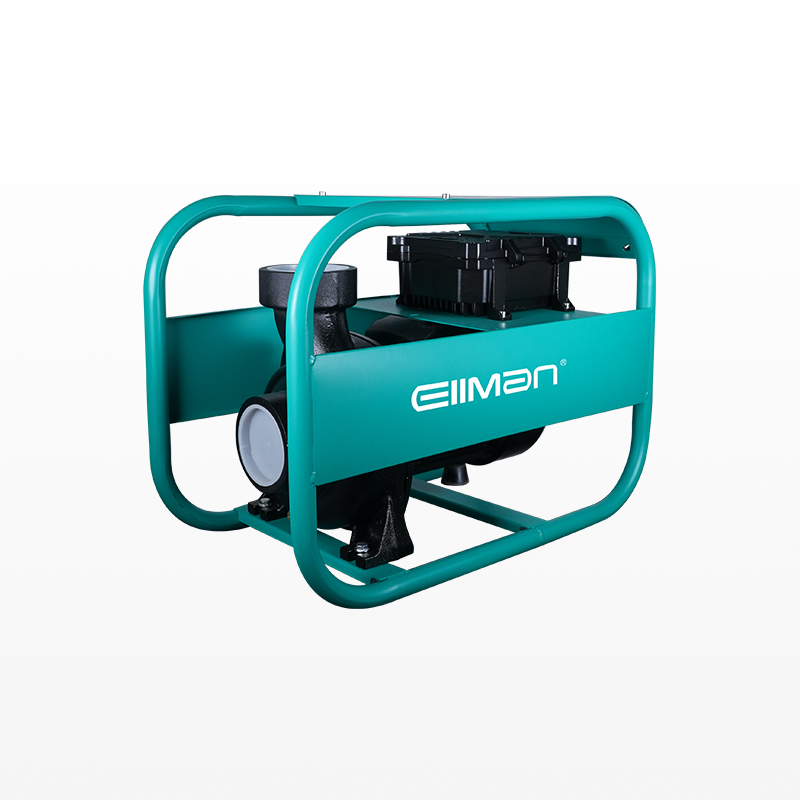
Selecting the correct motor architecture determines the overall efficiency of your water system. Solar panels natively generate direct current power. If you utilize a DC solar pump, it runs directly off the array's energy. You bypass the complex conversion process completely. This direct connection prevents heavy energy losses. It provides exceptional efficiency for shallow to medium-depth wells. These direct-current systems feature simplified wiring and require fewer supplementary components. They represent the ideal choice for low-to-medium volume irrigation and typical livestock watering stations.
However, specific scenarios demand alternating current systems. Deep underground aquifers require massive torque. Large-scale agricultural irrigation systems demand incredibly high daily water volumes. In these demanding situations, direct-current motors simply lack the necessary capacity. You must opt for a robust AC pump paired with a variable frequency drive or specialized solar inverter. This configuration allows you to leverage existing AC infrastructure. You can retrofit older grid-tied pumps to run on renewable energy.
You must balance efficiency against long-term costs. Direct-current setups cost slightly more per unit but save money by eliminating the inverter. Alternating current setups utilize cheaper, standardized motors but require expensive power conversion hardware. We evaluate these trade-offs using Total Dynamic Head and daily volume requirements.
Feature | DC Architecture | AC Architecture |
|---|---|---|
Energy Source | Direct from panels (No conversion) | Converted via Solar Inverter/VFD |
Efficiency Rating | Exceptionally High (Minimal loss) | Moderate (Inverter heat loss) |
Ideal Well Depth | Shallow to Medium (up to 300 ft) | Extremely Deep (300 ft to 1000+ ft) |
System Complexity | Low (Plug and play controllers) | High (Requires precise VFD tuning) |
We must evaluate these systems with complete transparency. The initial capital expenditure presents a significant hurdle. Off-the-shelf diesel engines appear incredibly cheap at checkout. Buyers often experience sticker shock when pricing a full renewable array. You must reframe this initial shock as a cash-flow calculation. You are essentially pre-paying for decades of energy upfront. When you evaluate the 10-year cumulative outlays, the high initial investment heavily outperforms the compounding monthly fuel bills.
Intermittency remains a fundamental limitation. Panels generate power strictly during daylight hours. Dense cloud cover noticeably reduces the water flow rate. The industry utilizes a highly effective workaround: store water, not power. Pumping water into elevated storage tanks creates a reliable gravity-fed buffer. Avoid connecting chemical batteries to your pumping array. Batteries degrade rapidly in harsh agricultural environments. They inflate the initial purchase price and require constant replacement.
Physical security introduces another layer of deployment risk. High-value panels sit completely exposed in isolated fields. Thieves frequently target these remote installations. You must implement robust mitigation strategies from day one. We strongly advise utilizing anti-theft mounting screws. You should also construct secure perimeter fencing and conceal GPS trackers directly within the panel frames.
Relying on expensive lead-acid batteries instead of utilizing gravity-fed storage tanks.
Ignoring local security risks and leaving arrays completely unfenced.
Comparing initial purchase prices without calculating cumulative fuel savings over a decade.
Guessing your required system size guarantees catastrophic failure. You cannot simply purchase a generic kit and expect optimal performance. You must perform an incredibly precise site assessment before requesting any vendor quotes. If you underestimate the friction within your pipes, the water will barely trickle out.
Follow these mandatory steps to calculate your exact requirements:
Calculate Total Dynamic Head (TDH): Measure the exact vertical lift from the deepest water level to the highest discharge point. Add the friction loss created by your pipe diameter and total pipe length.
Measure Static Water Level: Determine the resting depth of your water source before pumping begins.
Assess Seasonal Drawdown: Account for how drastically the aquifer drops during peak summer drought conditions.
Determine Daily Volume: Calculate the exact gallons required per day for your specific crop or livestock count.
Component quality determines your system's lifespan. Cheap plastic housings degrade rapidly under intense ultraviolet radiation. You must demand heavy-duty stainless steel components. Insist on brushless motors to prevent internal wear. Always verify the manufacturer includes Tier-1 rated solar panels to ensure maximum energy capture during cloudy afternoons.
Finally, thoroughly investigate the vendor's warranty and local support infrastructure. A magnificent 25-year panel warranty proves utterly useless if the local technician takes three weeks to arrive. If the controller fails in mid-July, your crops will die within days. You must secure a binding service agreement that guarantees a 48-hour response window.
You justify this infrastructure upgrade by running a strict 10-year financial comparison. We map the long-term cost of a renewable array against a traditional diesel generator. The renewable system features a high upfront purchase price but boasts negligible ongoing operational costs. Conversely, the diesel system features a deceptively low initial price tag. However, it demands compounding fuel purchases, monthly oil changes, and inevitable mechanical overhauls.
The breakeven point typically occurs between 18 and 36 months. Once you cross this threshold, the renewable system essentially delivers free water for the next two decades.
Timeline | Traditional Diesel Model | Renewable Infrastructure Model |
|---|---|---|
Year 1 | Low Purchase + Fuel & Labor | High Initial Purchase |
Year 3 | Compounding Fuel + First Overhaul | Breakeven Point Reached |
Year 5 | Severe Fuel Inflation + Repairs | Zero Fuel + Minimal Labor |
Year 10 | Exponential Cumulative Expense | Massive Net Savings Realized |
You must also factor yield security into your calculations. Uninterrupted watering schedules directly influence agricultural outcomes. When you eliminate grid outages and delayed fuel deliveries, your plants experience zero drought stress. This consistent hydration leads to noticeably higher crop yields. It also produces significantly healthier livestock. This hidden return on investment often exceeds the raw fuel savings.
Your immediate next step involves precise data collection. We advise you to conduct a comprehensive water-needs audit today. Gather your well logs, measure your field distances, and document your peak daily water consumption. Submit this localized data to a certified installer to request a highly customized sizing report.
These renewable pumping systems are not theoretical magic bullets. They represent a highly calculated, robust infrastructure investment. They pay off exceptionally well in isolated, off-grid environments where fuel logistics constantly drain your profits. By shifting to a fixed-asset model, you eliminate unpredictable monthly overhead.
Proper sizing separates successful decades-long deployments from immediate technical failures. Understanding your exact operational parameters ensures optimal performance. Choosing the right architecture directly dictates your long-term efficiency.
Stop paying for compounding fuel and unreliable grid power. Contact a certified technical sales representative today to run a site-specific financial calculation. Secure a localized sizing report to start building your independent water infrastructure.
A: Yes, they operate during overcast conditions, but at noticeably reduced flow rates. The panels still capture diffuse sunlight. To compensate for winter months, installers intentionally oversize the panel array slightly. You must also utilize large elevated water storage tanks. These tanks buffer your water supply during consecutive low-sun days.
A: Modern submersible units easily reach depths exceeding 800 feet. However, as the required vertical depth increases, the maximum water flow rate naturally decreases. Extracting water from extreme depths requires specialized deep-well alternating current configurations and high-voltage inverter setups.
A: Generally, no. Industry consensus firmly dictates that storing water in a tank is vastly cheaper and far more reliable. Chemical battery banks degrade rapidly in harsh heat. They also inflate system costs tremendously. Gravity-fed water tanks require almost zero maintenance.
A: High-quality panels typically generate reliable power for 20 to 25 years. The internal motor and surface controller generally last between 5 and 10 years before requiring routine servicing. Lifespans heavily depend on your specific water sediment levels and annual maintenance practices.