Views: 0 Author: Site Editor Publish Time: 2026-09-19 Origin: Site


Tired of sudden water pressure drops during your morning shower? You step under the warm water, fully relaxed, expecting a soothing start to your day. Suddenly, someone downstairs turns on the dishwasher. Instantly, your shower reduces to a freezing, frustrating trickle. As fluid dynamics engineers, we see this scenario constantly in the field.
Old water systems do more than just ruin your mornings. They quietly drain energy. They cause your electricity bills to spike month after month. Upgrading your outdated equipment is no longer just a luxury for high-end homes. Today, it has become a cost-saving necessity for modern properties.
In this comprehensive guide, we will walk through the exact signs indicating your machinery is failing. You will learn how embracing modern engineering can entirely transform your daily water experience, saving you both money and mechanical headaches.
Unwavering Flow: A modern variable frequency system automatically adjusts its motor speed to maintain a reliable, rock-solid water supply. This eliminates jarring pressure drops when multiple taps are opened simultaneously.
Slashing Utility Costs: Transitioning to advanced motor technology can dramatically reduce your system's energy consumption. You can expect savings of up to 30-60% compared to traditional non-inverter models.
Clear Signs of Failure: Frequent mechanical repairs, aggressive operational noise, inconsistent flow, and aging equipment are glaring indicators that it is time to replace your current setup.
Long-Term Profitability: Despite a slightly higher initial purchase price, the drastic energy savings and reduced maintenance requirements make this upgrade a highly profitable long-term investment.
Before diving into the mechanics of your home's plumbing, we need to look at where the global pump industry is heading. Driven by stringent international energy regulations and a universal push toward carbon neutrality, the market is rapidly abandoning standard induction motors.
Regulatory frameworks worldwide are increasingly mandating IE4 and IE5 ultra-premium efficiency standards for new water infrastructure. What does this mean for you? Standard AC pumps are quickly becoming obsolete. Transitioning to a high-efficiency water pump is no longer just about personal convenience. It is about future-proofing your property against impending energy compliance laws and seamlessly integrating with modern smart-home ecosystems.

When evaluating solutions for your plumbing network, understanding the equipment's underlying mechanics is crucial. A PM VFD pump represents a massive leap forward in both fluid dynamics and electrical engineering. It is specifically designed to optimize performance while drastically curbing energy waste.
Under the hood, this machinery merges two distinct innovations. First is the Permanent Magnet (PM) motor. Traditional induction motors rely on electrical currents to induce a magnetic field in the rotor. This process inherently bleeds energy through heat loss. Conversely, a PM motor utilizes high-strength, rare-earth magnets built directly into the rotor itself. This elegant design entirely eliminates rotor copper losses. Consequently, the motor runs naturally cooler, remains highly compact, and operates with remarkable efficiency.
Furthermore, think of the Variable Frequency Drive (VFD) as the central nervous system. It constantly processes real-time data from a tiny pressure sensor tucked inside your water line. As your household's water demand shifts—say, a faucet is turned on or a toilet is flushed—the VFD instantly modulates the electrical frequency supplied to the motor. The pump speeds up or slows down in real-time, delivering the precise volume of water required without burning excess power.
To truly grasp the value of this modern engineering, you must contrast it with legacy systems. Standard water pumps operate on a rigid, binary "on/off" logic. When line pressure drops below a certain threshold, the motor violently kicks on at 100% full capacity. Once the upper pressure limit is reached, it abruptly shuts down.
This archaic method creates severe pressure fluctuations. It also imposes heavy mechanical stress on your pipes. In stark contrast, variable frequency systems operate on a smooth, adaptive curve. They rarely run at maximum capacity, instead hovering quietly at the exact speed needed to maintain perfect equilibrium.
Feature | Traditional Single-Speed Pump | PM VFD Pump |
|---|---|---|
Motor Operation | 100% On or 100% Off | Variable speed based on demand |
Water Pressure | Fluctuates significantly | Perfectly stable and constant |
Energy Efficiency | Low (High energy waste) | High (30-60% energy savings) |
Motor Technology | Standard Induction Motor | Permanent Magnet Synchronous Motor |
Wear and Tear | High (Hard starts and stops) | Low (Soft starts and stops) |
Deciding exactly when to overhaul your infrastructure requires an objective look at your system's daily performance. If you find yourself nodding along to any of the following scenarios, executing a pump upgrade is likely the most effective way to restore reliability to your home.
One of the most maddening indicators of an outdated system is unpredictable flow. If the pressure in your shower plummets the moment someone turns on the garden hose, your current equipment simply lacks the bandwidth to handle multi-point demand. Single-speed motors cannot dynamically increase their output. Modern variable frequency systems, however, read that pressure drop in milliseconds and instantly accelerate to compensate.
In addition, water pumps are notorious energy hogs. They often rank just behind HVAC systems in total power consumption. Older models draw maximum amperage every single time they cycle on, even if you just need a splash of water to rinse a coffee mug. If you are staring at a steady, unexplained creep in your monthly utility bills, your aging equipment is a prime suspect.
Traditional induction units are also incredibly loud. They rely on massive cooling fans and heavy cast-iron casings. Worse, their abrupt "hard start" sequence sends shuddering vibrations through floorboards and drywall. If your basement sounds like a freight train is passing through every time the pump engages, you are dealing with obsolete engineering. Today's balanced permanent magnet rotors operate at whisper-quiet decibel levels.
Finally, consider the age and repair history of your unit. Mechanical reliability degrades exponentially over time. Constantly patching leaking seals, replacing burnt-out pressure switches, or resetting tripped breakers means your system has reached the end of its useful life. Even with meticulous upkeep, standard pumps have a finite lifespan—typically capping out around 8 to 12 years. If your unit is celebrating its tenth birthday, it is time for a replacement.
Shifting from a reactive "fix-it-when-it-breaks" mindset to a proactive strategy yields immediate dividends. Installing modern equipment elevates the standard of your entire plumbing network.
The crown jewel of VFD technology is the delivery of a constant pressure water supply. This magic happens via a Proportional-Integral-Derivative (PID) controller embedded within the drive. You simply punch in your desired pressure on the digital interface. The sensor monitors the pipes hundreds of times per second. Open a tap, and the PID controller instantly calculates the minute pressure drop, commanding the motor to speed up just enough to hold exactly your set pressure. The result is a premium, hotel-like shower experience that never wavers.
The financial argument here is rooted in undeniable physics. According to the Affinity Laws of centrifugal pumps, reducing motor speed by a mere 20% slashes energy consumption by nearly 50%. Because a variable drive unit only runs as fast as absolutely necessary, it spends the vast majority of its life coasting at low speeds. Over a year, this intelligent modulation translates to massive reductions in kilowatt-hours.
Specifically, older pumps are practically blind; they will run until they literally destroy themselves. Conversely, modern intelligent systems are packed with microprocessors that actively shield the hardware from environmental threats. They feature dry-run protection to shut the motor down if the municipal supply fails. They also include voltage monitoring to shield sensitive electronics from dangerous grid surges.
While virtually any building can benefit from variable frequency technology, certain environments see exponentially higher returns. Identifying your specific usage patterns will help validate the necessity of the investment.
For sprawling residential properties, comfort is paramount. Homes with multiple bathrooms, large families, and high-demand appliances frequently suffer from hydraulic starvation. Modernizing your system ensures someone can comfortably shower on the third floor while the lawn sprinklers run outside.
In commercial spaces, demand is wildly unpredictable. A boutique hotel might see massive peak usage at 7:00 AM, followed by hours of near-zero activity. Traditional pumps struggle here, either failing to keep up during the rush or wasting thousands of dollars idling during off-peak hours. Intelligent systems adapt flawlessly to these erratic schedules.
Precision is also critical in agricultural and light industrial uses. Drip irrigation networks require exact pressure metrics. Too much pressure blows out delicate emitter valves, while too little starves the crops. The rugged durability of a permanent magnet motor combined with pinpoint VFD control makes this technology indispensable.
The most common hesitation when evaluating these advanced systems is the initial sticker shock. It is true that advanced motors require a larger upfront capital layout. However, analyzing the Total Cost of Ownership (TCO) over a five-to-ten-year horizon reveals a completely different financial reality.
Traditional pumps operate in a wasteful binary state. If you turn on a single bathroom sink, a traditional 1.5 HP motor roars to maximum capacity, forcing unnecessary pressure against the valve. An intelligent system senses that tiny demand and runs the motor at perhaps 15% capacity, sipping electricity instead of gulping it.
For a standard household running a pump roughly 4 hours a day, a traditional induction motor might cost around $240 annually in electricity. A comparable PM VFD system often drops that operational cost to under $100 a year. Over a 10-year lifespan, the electricity savings alone easily exceed $1,400—often fully covering the cost of the hardware.
Beyond electrical efficiency, these systems act as an insurance policy for your pipes. Traditional motors suffer from "water hammer"—a violent hydraulic shockwave created when a pump slams on or off. Over time, this mechanical stress degrades copper joints and destroys water heater valves. Because VFD technology utilizes soft-start acceleration, the pressure ramps up gently. This completely eradicates water hammer, shielding your internal plumbing from violent spikes.
Once you commit to the upgrade, selecting the right hardware is vital. Not all variable frequency systems are manufactured to the same rigorous standards. Buying solely based on horsepower is a flawed strategy. As engineers, we evaluate units based on specific hydraulic capabilities and metallurgical quality.
The two critical metrics to nail down are Flow Rate (m³/h or GPM) and Maximum Head (vertical lift capability). For example, a robust residential model like the PBG4-30 PM VFD Constant Pressure Pump operates on a standard 220V single-phase supply. It utilizes a highly efficient 0.75kW motor to deliver a nominal flow rate of 4m³/h and a maximum head of 30 meters.
If your home has multiple bathrooms and you expect overlapping usage, a 4m³/h flow rate ensures nobody experiences a drop in volume. Furthermore, a 30-meter head comfortably pushes water to a third-floor master bath while overcoming gravity and pipe friction. Undersizing the unit forces it to run at 100% speed continuously, entirely defeating the purpose of the VFD.
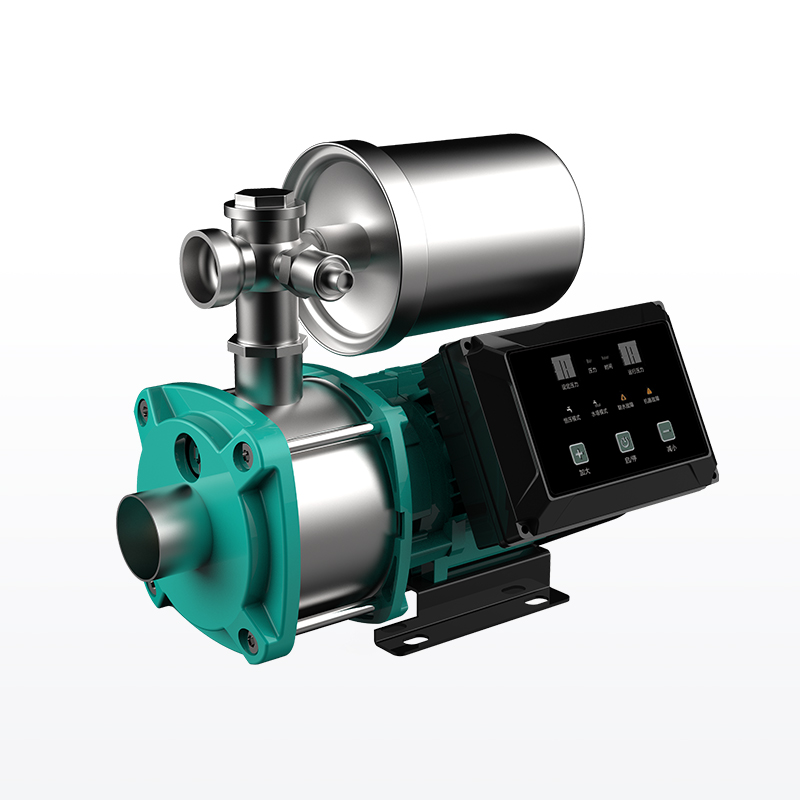
Water pumps live in damp, brutal environments. Avoid units that rely on cast iron or cheap plastics for their internal volutes and impellers, as these will inevitably rust and scale up with minerals. Instead, prioritize systems built with 304 or 316 food-grade stainless steel wetted components. Stainless steel prevents bacterial buildup and ensures your drinking water remains pristine. Seek out a premium smart water pump that features aerospace-grade rare-earth magnets and an intuitive LED interface for easy troubleshooting.
Transitioning to state-of-the-art plumbing tech requires a bit of groundwork. While the internal computers do the heavy lifting, integrating them into a legacy pipe network requires structural assessment.
Before the installer arrives, take a quick audit of your mechanical room. Verify the diameter of your main suction and discharge lines. Most high-efficiency systems breathe best through 1-inch or 1.25-inch pipes to prevent cavitation. Additionally, scrutinize your electrical panel. Permanent magnet motors are sensitive to voltage; ensure you have a dedicated circuit matching the unit's requirements (e.g., 220V).
While a seasoned DIYer might feel confident sweating copper pipes, hooking up a modern variable drive is highly nuanced. The physical plumbing is only half the battle. The critical step involves tuning the PID controller—setting baseline pressures, adjusting acceleration ramps to match your pipe length, and calibrating dry-run sensors. Protect your investment by hiring a licensed professional.
Dealing with sputtering faucets and scalding shower pressure drops is a choice you no longer have to make. Similarly, bleeding money every month to power an archaic, inefficient motor is entirely preventable.
Executing a strategic upgrade solves both of these massive headaches simultaneously. You gain a whisper-quiet, intelligent system that actively protects your home's infrastructure while delivering a premium, unwavering water experience.
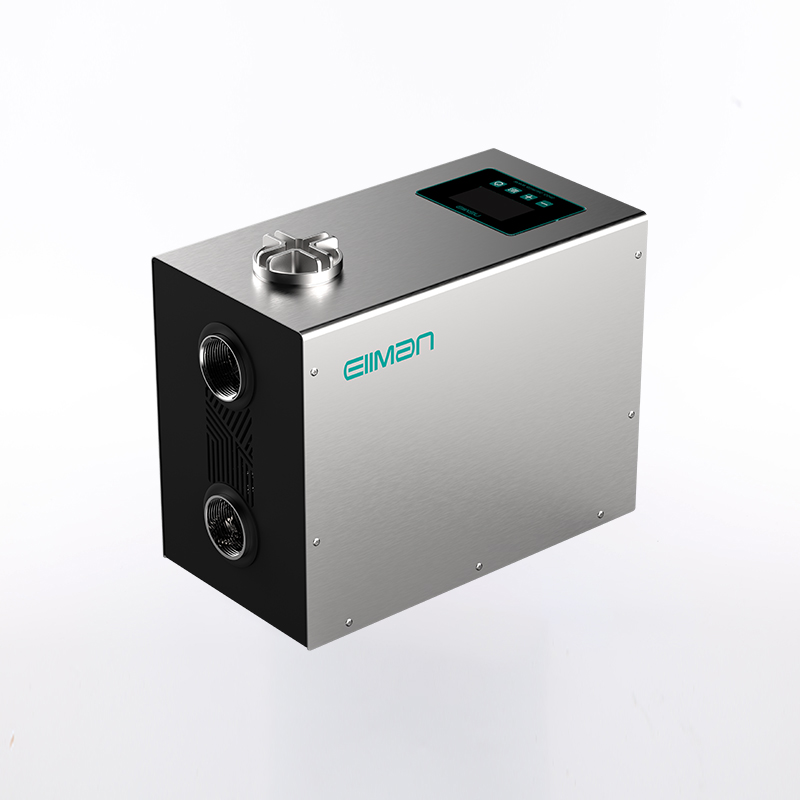
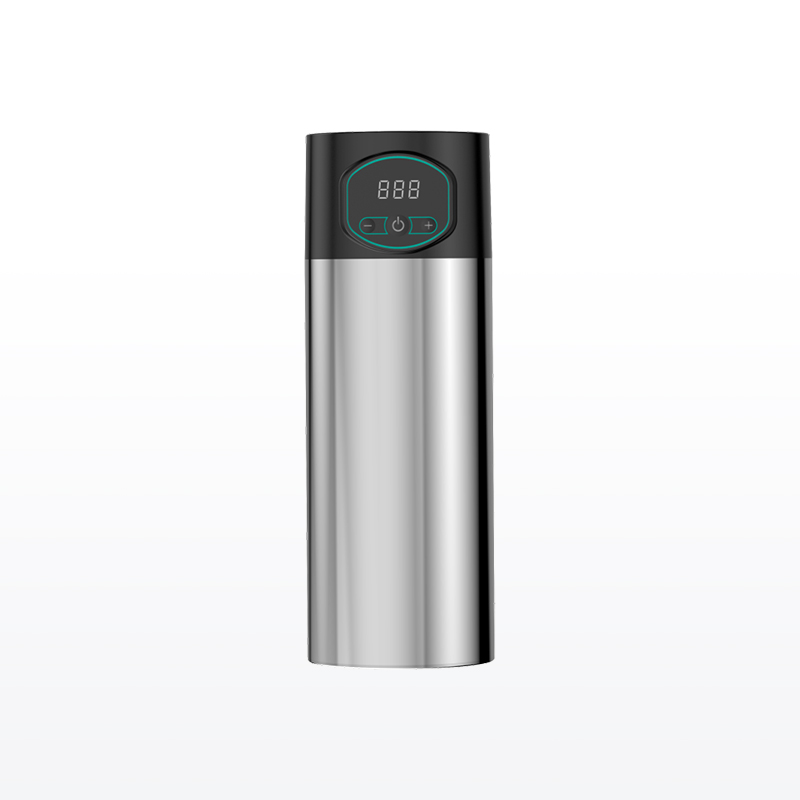
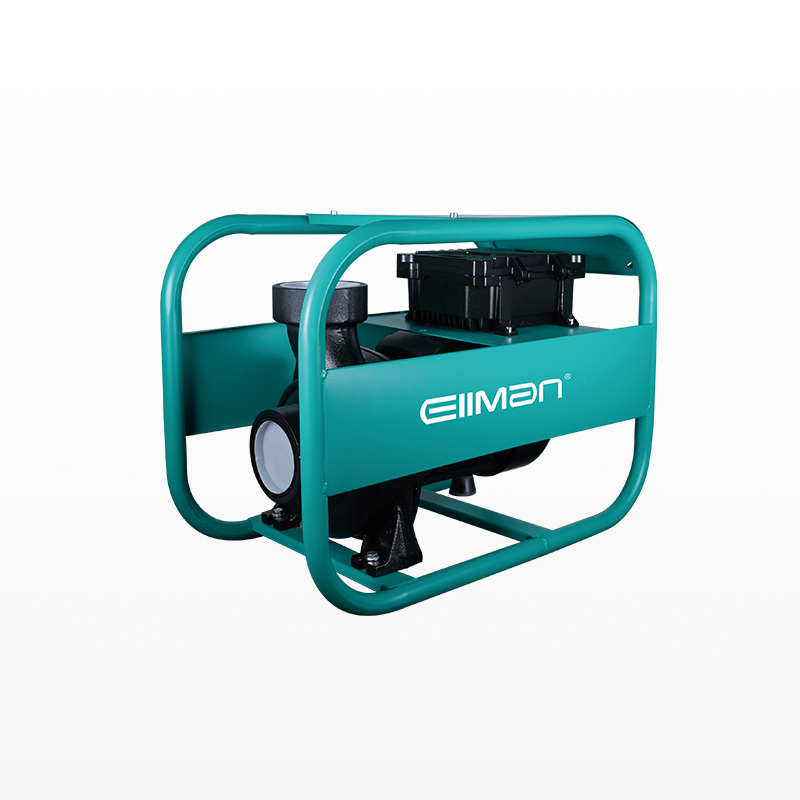
Stop throwing your hard-earned money at outdated technology. Take the time to assess your household's unique hydraulic needs. We highly recommend exploring the high-quality, modern alternatives available at Eiiman. Browse their professional range of permanent magnet variable frequency pumps to find the exact specifications that match your property, and secure a custom quote to bring your water system into the 21st century today.
While both utilize a Variable Frequency Drive to adjust speed, the core difference is the motor itself. Standard VFDs use older AC induction motors, which rely on electricity to generate a magnetic field, resulting in heat and energy loss. A PM VFD uses a Permanent Magnet motor. Because the rare-earth magnets are physically built into the rotor, it doesn't waste power creating a magnetic field, making it vastly more efficient, cooler, and smaller.
Yes. In the vast majority of retrofit scenarios, these advanced units integrate seamlessly into older residential or commercial pipes. Your plumber may need to install specific check valves or PVC/copper adapters to match inlet sizes, but the intelligent controller will automatically adapt to the hydraulic realities of your existing network. Plus, the elimination of water hammer makes it much safer for older, fragile pipes.
Thanks to the variable speed technology, these units generally outlast traditional single-speed models by a wide margin. Because they rarely run at maximum stress and utilize soft start/stop programming, mechanical wear on bearings and seals is drastically reduced. With basic maintenance, a high-quality unit can easily operate reliably for 10 to 15 years or more.
No, you do not. Traditional setups require massive 20-to-80-gallon diaphragm tanks to store water and prevent the motor from violently turning on for every minor drip. Because a variable frequency system instantly adjusts its speed to match the exact flow of an open tap, the need for large-volume storage is eliminated. Most modern units only require a tiny 1-to-2-liter expansion tank to absorb micro-fluctuations, freeing up significant floor space in your utility room.
On average, a PM VFD system reduces energy consumption by 30% to 60%. Because standard pumps only run at full speed, they waste massive amounts of power during low-demand tasks like washing hands or flushing a toilet. The VFD intelligent controller scales the power draw down to exactly match the real-time demand, resulting in significant kilowatt-hour savings over a year.
Yes, provided the new pump's suction lift and maximum head capabilities match your well's depth and your home's elevation. For shallow wells or booster applications from a storage tank, surface-mounted PM VFD pumps are perfect replacements. For deep wells, you would need a submersible variant equipped with the same permanent magnet and VFD technology.