Views: 0 Author: Site Editor Publish Time: 2026-02-24 Origin: Site


Solar pumps are becoming increasingly popular in various applications, from agriculture and irrigation to water supply in remote areas. These pumps are powered by solar energy, which makes them an environmentally friendly and cost-effective alternative to traditional pumps powered by electricity or diesel. However, like all equipment, solar pumps have a lifespan that depends on several factors, including the quality of components, the environment in which they are used, and how well they are maintained.
In this article, we will explore how long solar pumps typically last, the factors that influence their lifespan, and how to extend their durability. Whether you are considering installing a solar pump for your irrigation system, water supply, or another application, this guide will provide valuable insights into the longevity of solar pumps and what you can do to maximize their lifespan.
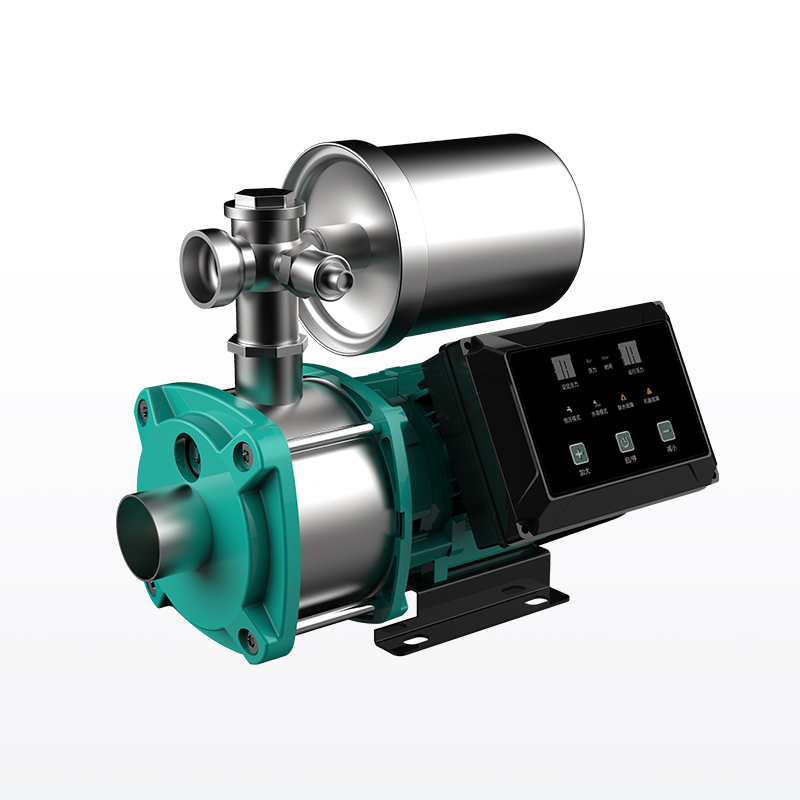
A solar pump is a water pump that uses solar energy to power its motor. The pump is connected to solar panels, which convert sunlight into electricity. The energy generated by the solar panels is used to drive the pump and move water from one location to another.
Solar pumps are commonly used in locations where traditional power sources are unavailable or unreliable. They are often used for irrigation in agriculture, supplying water to homes or villages in remote areas, or even for pumping water from wells, lakes, and rivers.
There are two main types of solar pumps:
Surface Pumps: These pumps are used for moving water from shallow sources, such as wells or tanks, to higher locations.
Submersible Pumps: These pumps are designed to be placed underwater and are used for deeper wells and boreholes.
The lifespan of a solar pump can vary depending on several factors. On average, a high-quality solar pump can last anywhere from 10 to 25 years, but the actual longevity will depend on the following elements:
The quality of the components in a solar pump plays a significant role in its overall lifespan. High-quality materials and components, such as the solar panels, pump motor, and controller, will contribute to longer service life and better performance.
Solar Panels: The solar panels used in solar pump systems are typically rated for about 25 to 30 years of operation, but their performance can degrade over time due to environmental factors such as dust, dirt, and weather conditions. High-efficiency solar panels will help ensure that the pump system continues to operate at optimal capacity for a longer period.
Pump Motor: The motor is another crucial component of a solar pump system. Motors that are well-constructed and made with high-quality materials can last longer, with some models lasting 10 to 20 years. Motors that are exposed to harsh conditions, such as extreme temperatures, may wear out more quickly.
Controller and Inverter: The controller regulates the power from the solar panels to the pump motor. Over time, the controller may experience wear and tear, especially if it is exposed to excessive heat or moisture. A high-quality controller can last anywhere from 5 to 15 years.
Proper maintenance is essential for extending the lifespan of your solar pump. Just like any other mechanical system, solar pumps need regular care to ensure they continue to operate efficiently.
Cleaning Solar Panels: Solar panels should be cleaned regularly to remove dust, dirt, and debris. Dirty panels can reduce the amount of sunlight reaching the panels, which can cause the pump to work less efficiently. In some cases, cleaning the panels might need to be done every few months, depending on the dust levels in the area.
Pump Inspection: Regularly inspect the pump motor and other components for signs of wear and tear. This includes checking for leaks, ensuring that the pump is operating smoothly, and listening for any unusual noises that could indicate a problem.
Replacing Worn Parts: Some parts of the pump, such as seals, bearings, or diaphragms, may wear out over time. Regular maintenance ensures that these parts are replaced before they cause damage to other components.
The environment in which the solar pump is installed can have a significant impact on its lifespan. Solar pumps that are used in harsh conditions, such as extreme temperatures, heavy dust, or high humidity, may experience more wear and tear than those used in milder conditions.
Temperature: Solar pumps can be affected by both high and low temperatures. Extreme heat can cause the pump’s motor to overheat, while freezing temperatures can cause components to crack or freeze, leading to damage.
Dust and Dirt: If the pump is used in areas with high dust or dirt levels, the solar panels may become dirty more quickly, reducing their efficiency. Dust and dirt can also clog the pump components, leading to wear and mechanical issues.
Water Quality: The quality of the water being pumped also plays a role in the lifespan of the pump. If the water is highly corrosive or contains debris, it can cause the pump components to wear out faster.
The intensity of the pump’s usage can impact its longevity. A pump that is constantly running at full capacity will experience more wear than one that is used intermittently or for lighter tasks.
Overworking the Pump: Solar pumps are designed to operate efficiently within a certain range of flow rates and pressures. If the pump is used beyond its capacity or runs for extended periods without breaks, it may experience premature failure.
Regular Usage: Pumps that are used regularly and within their specified limits tend to last longer. It’s essential to understand the pump’s specifications and ensure it is not overworked.
The installation of your solar pump system can also affect its longevity. Proper installation ensures that the system operates efficiently and reduces the risk of damage.
Proper Sizing: It’s crucial to choose the right size of pump and solar panel system for your needs. A pump that is too small for your requirements will be overworked, while a system that is too large will be inefficient and may experience excessive wear on certain components.
Protection from the Elements: Ensuring that the pump motor, controller, and other components are properly protected from environmental factors such as rain, dust, and extreme temperatures can help extend the lifespan of the system.
While solar pumps are generally durable, there are several steps you can take to maximize their lifespan and ensure they continue to operate efficiently:
Cleaning solar panels helps maintain their efficiency. Dust and debris can accumulate on the panels and block sunlight, reducing the energy input into the system.
Regularly inspect the motor, controller, and other parts of the pump to identify any potential issues before they become serious problems. If any parts are worn out, replace them promptly to prevent further damage.
Install your pump system in an area that is protected from extreme weather conditions. For example, if you are installing the system in a hot, dry climate, consider using shade structures to protect the solar panels from excessive heat.
Regularly monitor the performance of your solar pump system to identify any drop in efficiency. Early detection of any performance issues can help prevent more significant problems in the future.
In summary, the lifespan of a solar pump depends on several factors, including the quality of the components, proper maintenance, environmental conditions, and the usage of the pump. On average, a high-quality solar pump can last between 10 and 25 years if properly maintained. By following best practices such as cleaning solar panels, inspecting the pump system, and protecting the system from harsh elements, you can maximize the longevity of your solar pump and ensure that it continues to perform efficiently.
At Zhejiang Eiiman Zhihui Technology Co., Ltd., we specialize in providing reliable and durable solar pumps for a wide range of applications. Our solar pumps are designed with high-quality components to deliver long-lasting performance, and we offer expert support to ensure that your system operates at its best. Contact us today to learn more about our products and how we can help you meet your water pumping needs sustainably.
Q: How long do solar panels last in a solar pump system?
A: Solar panels in a solar pump system typically last 25 to 30 years but may experience gradual performance degradation over time.
Q: Can I use a solar pump for irrigation in a remote area?
A: Yes, solar pumps are an excellent choice for irrigation in remote areas where traditional power sources are unavailable.
Q: How often should I clean the solar panels on my pump system?
A: Solar panels should be cleaned every few months, or more frequently if the area is prone to dust and debris.
Q: How can I improve the performance of my solar pump?
A: Ensure regular maintenance, protect the system from harsh weather conditions, and clean the solar panels regularly to maximize performance.