Views: 0 Author: Site Editor Publish Time: 2026-06-29 Origin: Site


Transitioning to solar-powered water delivery requires more than buying components. You must size the equipment precisely. Otherwise, you risk dry wells and burnt motors. Mismatched setups cause operational failure. They also accelerate wear on critical parts. You need a reliable water supply every single day. Poor planning leads to severe mechanical breakdowns. This guide provides an evidence-based engineering framework. We help you evaluate your exact site variables. You will learn to calculate actual water demands. We strip away the guesswork. You will rely on hard data and physical constraints. Ultimately, you will select a highly reliable solution. Proper preparation guarantees long-term performance. We will show you exactly how to match flow rates to solar availability. Your ultimate goal is consistent water delivery. Following these steps ensures your infrastructure operates seamlessly.
System sizing must always begin with calculating Total Dynamic Head (TDH) and daily Gallons Per Minute (GPM) requirements.
Choosing between a submersible and a surface solar pump depends entirely on the static water level and application (e.g., deep well vs. pond transfer).
Storing water in an elevated tank is often more cost-effective and reliable than using battery banks to manage nighttime or cloudy-day pumping.
Vendor evaluation should prioritize local support, warranty terms on the motor/controller, and transparent performance curves over base pricing.
Establish the undeniable physical constraints of the installation site before looking at product catalogs. Buyers often skip this step. They browse equipment without knowing their exact environment. This approach guarantees failure. We must build an engineering baseline. You need accurate site measurements to inform every subsequent choice. The laws of physics dictate equipment suitability.
Total Dynamic Head represents the total resistance your equipment must overcome. It is the most critical metric in fluid dynamics. Pushing fluid vertically requires energy. Pushing fluid horizontally through pipes also requires energy. TDH quantifies this required energy. You calculate TDH by adding four specific measurements together.
TDH Calculation Variables (Summary Chart) | ||
Variable | Definition | Measurement Method |
|---|---|---|
Static Water Level | The distance from ground level down to the resting water surface. | Drop a weighted tape measure into the resting well. |
Drawdown | The distance the water level drops while pumping actively occurs. | Measure fluid drop during a sustained yield test. |
Elevation Lift | The vertical distance from ground level up to the final discharge point. | Use GPS elevation data or standard surveying tools. |
Friction Loss | Resistance created by fluid rubbing against internal pipe walls and elbows. | Consult standard engineering friction loss charts for pipe diameters. |
Risk Note: Never use only the depth of the well to size your equipment. Ignoring friction loss and drawdown often results in severely under-sizing the unit. A well might be 300 feet deep. However, the static water level might sit at 100 feet. If you calculate based on 300 feet, you buy overly large equipment. Conversely, ignoring horizontal friction loss means your fluid flow will stall before reaching the destination tank.
You must differentiate between peak flow rate and total daily volume. Peak flow rate measures immediate delivery speed. We measure this in Gallons Per Minute (GPM). Total daily volume measures aggregate demand over 24 hours. We measure this in Gallons Per Day (GPD). Both metrics hold equal importance.
Account for seasonal variations carefully. Peak summer irrigation demands far exceed winter livestock watering needs. Base your calculations on your highest consumption month. If you size for average months, you will face shortages during peak droughts.
Calculate your required flow based on average peak sun hours. Total daylight hours do not matter. The sun provides usable energy for a limited window. This window typically lasts four to six hours. If you need 10,000 gallons per day, and you have five peak sun hours, your setup must deliver 2,000 gallons per hour. You cannot spread the 10,000-gallon requirement over 12 hours of ambient daylight.
Match the mechanical design to the specific water source. You must also consider the operational environment. Different architectures serve different physical environments. Selecting the wrong style guarantees poor efficiency. It also risks catastrophic hardware failure.
Engineers design these units to operate entirely underwater. They remain fully submerged during operation. This architecture is best for deep wells, boreholes, and high-lift requirements. They push fluid upward efficiently. Pushing fluid takes less energy than pulling it.
When evaluating these models, check outside diameter constraints first. The cylinder must fit inside your well casing. Leave adequate clearance for cooling fluid flow around the motor. A tight fit risks overheating. Furthermore, high-head applications require multi-stage impellers. Each impeller stage adds additional pressure. Selecting a high-quality Solar Pump prevents frequent pulling and maintenance.
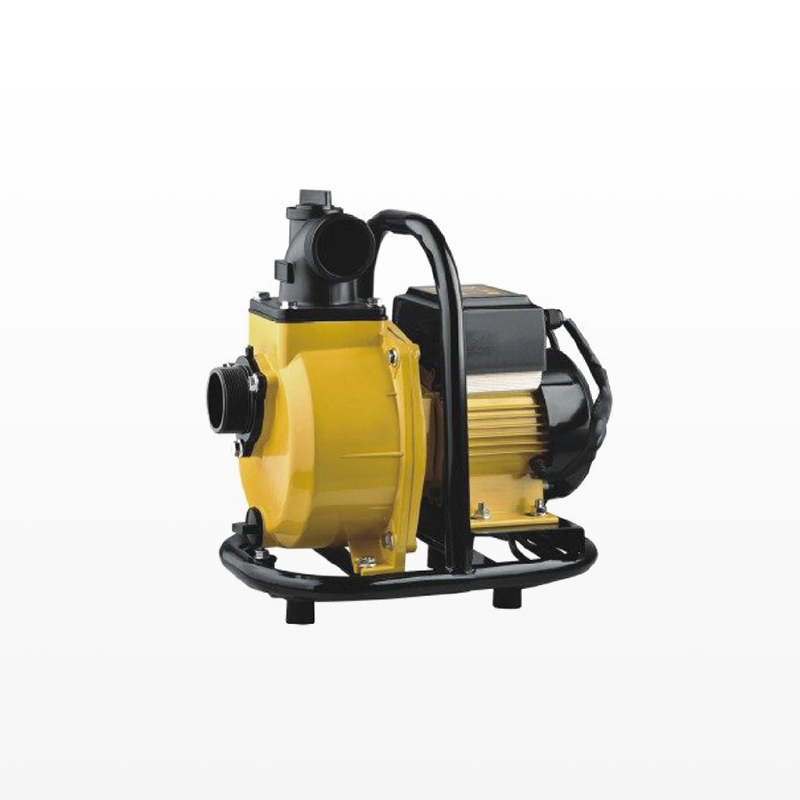
These units sit on dry land above the fluid source. They pull fluid through an intake hose. This architecture is best for ponds, shallow streams, or water transfer between tanks. They excel at moving high volumes at very low heads.
Evaluation criteria focus heavily on suction lift limits. Physics dictates strict boundaries here. You can only pull fluid vertically about 20 to 25 feet. Beyond this height, cavitation occurs. Cavitation creates vapor bubbles. These bubbles collapse violently and destroy impellers. You must also evaluate priming requirements. Most surface units require a fully flooded intake line before starting.
Architecture Comparison | ||
Feature | Submersible Architecture | Surface Architecture |
|---|---|---|
Placement | Fully submerged deep underwater. | On dry land above the fluid level. |
Primary Strength | Extreme vertical lift (high head). | Moving high volumes over low heads. |
Physical Limit | Casing diameter constraints. | Suction lift maximum (25 feet). |
Maintenance Access | Difficult (requires pulling from well). | Easy (fully exposed on ground). |
Ensure your supporting infrastructure maximizes efficiency. Component matching extends the overall lifespan. A high-quality motor cannot overcome a poor controller. Everything must operate as a unified grid. Precision matching eliminates electrical bottlenecks.
Motor selection dictates your electrical topology. Direct Current (DC) brushless motors offer higher efficiency for small to medium systems. They lack internal brushes. This absence eliminates physical friction and wear. DC motors run directly off photovoltaic panels without needing massive inverters. They start easily in low light.
Alternating Current (AC) motors become necessary for high-volume agricultural or industrial applications. AC motors dominate large-scale installations. However, solar panels generate DC power natively. Therefore, running an AC motor requires a solar variable frequency drive (VFD) or inverter. The VFD converts DC to AC. It also ramps the motor speed up slowly to prevent power spikes.
An MPPT controller is a non-negotiable feature for operational efficiency. Sunlight intensity changes constantly. Passing clouds alter the available voltage and current continuously. An MPPT algorithm actively scans panel output. It recalculates the optimal voltage-to-current ratio hundreds of times per second.
This controller protects against severe electrical anomalies. It prevents dry-running by sensing sudden drops in motor load. It absorbs dangerous voltage spikes. Most importantly, it prevents stalling in low-light conditions. Without MPPT, a motor might stall but continue drawing current. This stalls generates immense heat and melts internal windings.
You need fluid when the sun goes down. You must store energy or store fluid. We prefer transparent assessments regarding batteries. Chemical batteries add intense ongoing maintenance. They reduce overall lifespan significantly. They also increase the upfront resource allocation tremendously. Batteries degrade rapidly in extreme temperatures.
We recommend a different approach. Pump fluid into a gravity-fed holding tank during peak sun hours. This elevated tank acts as a highly reliable "thermal battery". Gravity never degrades. Gravity never requires replacement parts. Storing fluid physically is exponentially more stable than storing electricity chemically. This method guarantees nighttime pressure without electrical complexity.
Build realistic expectations. Acknowledge the true limitations. Do not ignore maintenance truths. Photovoltaic power has undeniable physical boundaries. Recognizing these boundaries prevents frustration. It also prevents catastrophic failures during harsh seasons.
Set realistic expectations for flow rates during heavy overcast days. Photovoltaic arrays produce less power under clouds. Your flow rate will drop accordingly. You cannot cheat weather patterns.
Address the necessity of oversizing your array. Industry standards suggest 20% to 30% extra panel capacity. Panels degrade slowly over decades. Dust accumulation lowers daily output. High summer temperatures reduce photovoltaic efficiency. Oversizing compensates for these realities. It ensures your motor receives adequate voltage even on suboptimal days.
A properly maintained solar pump system operates flawlessly for decades. Neglect ruins everything.
Establish strict solar array cleaning schedules. Dust, pollen, and bird droppings block sunlight. Even partial shading cuts power dramatically. Wash panels during cool morning hours.
Check and replace sacrificial anodes routinely. Submerged metal faces galvanic corrosion. Anodes absorb this corrosion to protect your motor housing.
Monitor pipe integrity constantly. Sun exposure degrades PVC pipes over time. Check all exposed fittings for micro-leaks. Small leaks waste precious daily yield.
Inspect wire junctions annually. Thermal expansion loosens electrical connections over time.
Exposed solar arrays attract theft in remote areas. Secure your panels using anti-theft hardware. Mount arrays on high poles to deter tampering. Weld mounting bolts if necessary.
Lightning poses a severe risk. Photovoltaic arrays act as massive antennas for static electricity. You must ensure proper grounding. Drive thick copper grounding rods deep into the soil. Connect these rods to your array frame and controller housing. Proper grounding diverts lightning strikes away from sensitive MPPT microprocessors. Ignoring grounding guarantees fried electronics during the first major storm.
Move systematically from research to procurement. Use a clear checklist. Never buy equipment based on glossy brochures. Evaluate strictly on engineering data. Hold manufacturers accountable for their technical claims.
You must know how to read a performance curve chart. Manufacturers provide these charts for every model. The vertical axis shows Total Dynamic Head. The horizontal axis shows Flow Rate. Find your calculated TDH on the vertical axis. Move horizontally until you hit the drawn curve. Then look straight down to the horizontal axis. This point reveals your exact expected flow.
Never buy based on "maximum" specifications alone. A manufacturer might advertise 100 GPM. They might also advertise 500 feet of head. However, the equipment cannot deliver 100 GPM at 500 feet simultaneously. The curve proves this. As head increases, flow decreases exponentially.
Scrutinize the fine print of every warranty. Look for a minimum two-year warranty on the main motor unit. Look for five to ten years on the MPPT controller. Controllers lack moving parts. They should last a decade easily.
Verify manufacturing certifications. Demand ISO 9001 compliance for manufacturing quality. If you supply potable water, verify regional drinking water standards. Look for NSF/ANSI certifications. These assure buyers the internal plastics will not leach toxins into the drinking supply.
Compile your engineering data carefully. Create a single specification sheet. Include your exact TDH calculation. Include your daily volume requirement. List your well casing size and static water level.
Submit this identical sheet to qualified industrial suppliers or installers. Ask for precise quotes based on these exact numbers. If a supplier tries to sell you equipment without reviewing your TDH, walk away immediately. Reputable engineers always demand your physical site metrics before recommending specific models.
Selecting the right equipment is an exercise in math, not guesswork. Align your site’s physical metrics with the correct architecture. Establish your exact Head and Flow numbers first. Choose between submersible and surface architectures based on fluid depth. Always specify a robust MPPT controller to maximize daily energy harvesting. Avoid complex battery banks whenever possible. Utilize elevated tanks to store physical fluid instead. We strongly encourage you to measure your static water levels today. Drop a line down your well and record the depth. Calculate your daily consumption needs. Contact our engineering team with your precise numbers for a custom sizing consultation. We will help you build an optimized, resilient infrastructure.
A: You must perform a sustained pump test. Professionals pump the well for several hours and measure the drawdown. You must match your equipment's flow rate to the well's natural recharge rate. Pulling fluid faster than the well recharges leads to dry-running and destroyed motors.
A: No. Direct-drive systems only operate while the sun shines. They lack electrical storage. We strongly recommend the holding tank strategy. Pump fluid into an elevated storage tank during peak daylight. Gravity provides consistent pressure to your plumbing all night long.
A: The MPPT controller manages voltage drops seamlessly. It slows the motor's rotational speed instead of shutting it down entirely. Your equipment will continue to move fluid, but at a reduced Gallons Per Minute (GPM) rate. Fluid delivery slows but rarely stops completely during light overcast conditions.
A: It depends entirely on the motor's wattage rating and your local peak sun hours. You cannot guess panel counts. Engineers standardly design arrays with a minimum 1.2x to 1.5x wattage buffer. This buffer compensates for panel degradation, temperature losses, and minor dust accumulation.