Views: 0 Author: Site Editor Publish Time: 2026-06-30 Origin: Site


Farming operations increasingly face rising operational costs from traditional diesel generators. Remote agricultural locations often suffer from highly unreliable grid electricity. These persistent power issues threaten steady crop irrigation and heavily narrow farm profit margins. Many farmers naturally wonder if renewable energy technology can effectively replace traditional power sources without sacrificing critical performance.
Yes, a well-planned system is highly viable for modern agriculture. However, success depends entirely on matching equipment specifications to your specific crop demands and topographical realities. This comprehensive guide provides a clear framework to evaluate these advanced pumping systems. You will learn how to accurately assess technical head requirements, financial viability, and daily operational needs. By the end, you can confidently determine if this energy transition suits your exact agricultural setup and long-term yield goals.
An agricultural solar pump is fully capable of handling both high-volume surface irrigation and deep-well groundwater extraction when sized correctly.
Upfront capital expenditure (CapEx) is higher than diesel, but the Total Cost of Ownership (TCO) typically breaks even within 18 to 36 months due to near-zero operating costs.
System viability relies on three metrics: Total Dynamic Head (TDH), daily water requirement (gallons/liters per day), and local peak sun hours.
Direct-drive solar pumps coupled with water storage tanks offer a more reliable and cost-effective setup than battery-backed systems for most farms.
Farms depend entirely on consistent water delivery to survive. Legacy systems relying on diesel generators or unstable electrical grids introduce major hidden costs. Fuel prices fluctuate wildly throughout the standard growing season. This ongoing volatility makes accurate financial forecasting nearly impossible for farm managers. Diesel motors also demand extremely high maintenance hours. Mechanics must constantly change oil, replace air filters, and service fuel injectors. Furthermore, transporting heavy fuel out to remote fields wastes valuable labor hours.
Grid outages pose severe crop risks during critical summer heat waves. Relying on these outdated methods threatens long-term operational profitability. The alternative offers distinct, evidence-based advantages. A modern agricultural solar pump locks in fixed energy costs for decades. It utilizes advanced direct current (DC) brushless motors. These highly efficient motors have drastically fewer moving parts than internal combustion engines. Fewer moving parts mean a massive reduction in mechanical wear and tear. They also grant complete off-grid independence. You generate power exactly where you consume it. Additionally, farms located near residential areas benefit immensely from the entirely silent operation of renewable systems.
Transitioning requires clear, measurable success criteria. A successful installation must consistently achieve your required daily flow rates. It must perform reliably during the primary growing season when water demand peaks. It should operate flawlessly without requiring supplementary grid power or noisy backup generators. Meeting these strict criteria ensures a resilient, self-sustaining farm infrastructure.
Calculating your precise daily water requirements is the first critical step. Avoid sizing your equipment based strictly on gallons per minute (GPM). Traditional AC pumps run at constant speeds, making GPM a standard metric. However, renewable energy output fluctuates naturally throughout the day as sunlight intensity peaks and wanes. Instead, size your system using gallons per day (GPD). This mathematical approach directly aligns water delivery expectations with your local peak sun hours.
You must also calculate the Total Dynamic Head (TDH) accurately. TDH represents the exact vertical lift required plus the friction loss generated inside the delivery pipes. A high-quality Solar Pump can easily lift water from hundreds of feet deep. However, a strict physical relationship exists between depth and output. Flow volume decreases as lift depth increases. For example, pumping water through a narrow two-inch pipe creates significantly more resistance than a wider four-inch pipe. Understanding this physical reality prevents you from under-sizing your equipment. Always calculate friction loss based on pipe diameter and total pipe length.
Consider your irrigation method compatibility carefully. Energy output pairs beautifully with drip irrigation setups. Drip systems require low pressure distributed over long daylight periods. This matches the natural bell curve of daytime solar generation perfectly. Conversely, sprinkler systems demand specific high-pressure models to spray water effectively. If you use flood irrigation, you require specialized high-volume surface equipment capable of moving massive water quantities quickly over flat terrain.
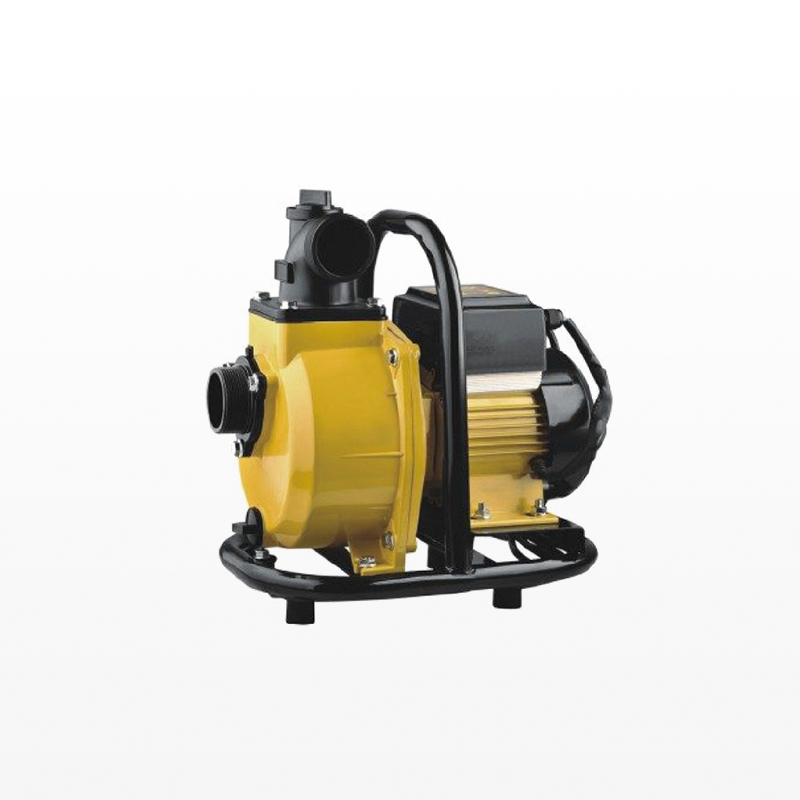
Selecting the correct physical configuration prevents costly mechanical failures. Architecture choices dictate overall system efficiency, daily output, and long-term longevity.
Your specific water source strictly dictates your equipment type. Submersible models are best suited for deep boreholes. They excel at deep groundwater extraction. You place them completely underwater, deep inside the steel well casing. They operate completely silently. Because they rest submerged, they completely avoid frustrating priming issues. They push water up from below, which is a highly energy-efficient mechanical process.
Surface models sit above ground. They draw water from shallow sources. Use them exclusively for ponds, rivers, or shallow dug wells. They handle a maximum suction lift of roughly 20 feet. Basic physics limits how high surface equipment can pull water. Exceeding this strict physical limit causes cavitation. Cavitation forms destructive vapor bubbles inside the impeller chamber, causing immediate and expensive mechanical damage.
Energy storage fundamentally changes your infrastructure setup. Direct-drive configurations pump water directly into a large elevated tank during peak sun hours. Gravity then distributes the stored water to your crops later in the day. Highlight this as the absolute most cost-effective approach. It requires extremely low maintenance. Bulk water storage acts as a cheap, infinite-lifespan battery.
Battery-coupled systems store electrical energy chemically. They allow nighttime or heavy overcast irrigation. However, they carry significant, often prohibitive drawbacks. Large battery banks increase upfront costs substantially. They also create a heavy maintenance burden. Lead-acid or lithium batteries degrade steadily over time. They require expensive replacement every few years. We strongly recommend avoiding battery setups unless your specific crop schedules strictly demand pressurized nighttime watering.
System Configuration | Ideal Water Source | Energy Storage Method | Maintenance Frequency |
|---|---|---|---|
Direct-Drive Submersible | Deep boreholes (>20 feet) | Elevated water tank | Extremely Low |
Direct-Drive Surface | Ponds, streams, shallow wells | Elevated water tank | Low |
Battery-Coupled System | Any compatible source | Chemical battery bank | High (Battery monitoring) |
Accurate financial planning determines exact project feasibility. Understanding complete costs helps justify the transition away from unpredictable fossil fuels.
Initial investments represent your Capital Expenditure (CapEx). A complete agricultural solar pump setup requires several premium components. You must purchase the durable motor unit itself. You need a properly sized photovoltaic array. The setup requires an advanced Maximum Power Point Tracking (MPPT) controller. This specialized controller optimizes panel voltage instantly to match motor demands. You also need heavy-duty mounting hardware, thick-gauge electrical wiring, and professional installation labor. These upfront costs significantly exceed the price of a standard diesel generator.
However, Operational Costs (OpEx) tell a vastly different story. Renewable energy provides near-zero running costs. You simply capture free sunlight. In stark contrast, diesel systems demand continuous fuel purchases. Farm operators lose money daily on diesel transport and consumption. Traditional engines require frequent oil changes. Mechanics must regularly replace air filters, spark plugs, and worn belts. Over a five-year period, these cumulative maintenance expenses often eclipse the initial generator purchase price.
You can calculate your Return on Investment (ROI) using a straightforward payback period framework. Divide your total system cost by your monthly diesel or grid energy savings. Most farming operations see a complete payback within 18 to 36 months. Consider local agricultural grants, federal tax credits, or environmental incentives. In many regions, agricultural departments offer substantial renewable energy grants. These financial programs exist globally. They can heavily subsidize your initial purchase and significantly accelerate your payback period.
Every agricultural hardware upgrade carries inherent risks. Acknowledging these specific challenges ensures long-term reliability and protects your delicate crops.
Weather dependency remains a valid operational concern. Cloudy days naturally reduce energy generation and lower water output. You must proactively mitigate this reality. We strongly recommend sizing your water storage tank strategically. Build a tank large enough to hold a comprehensive two-to-three-day water supply. This physical buffer protects your fields during prolonged overcast weather. It guarantees irrigation continuity regardless of immediate sunlight availability.
Groundwater depletion presents a serious environmental and mechanical risk. You must perform a strict compliance check before installation. Calculate your borehole's natural recharge rate carefully. Ensure your equipment's maximum extraction rate never exceeds this natural refill capacity. Over-pumping will rapidly run the well dry. A dry well causes the motor to spin freely. This friction generates intense heat and will quickly burn out the internal mechanisms.
Remote farming locations face unique security and maintenance challenges. Panel theft unfortunately occurs in isolated rural areas. Install robust anti-theft mounting hardware. Weld securing bolts or use specialized tamper-proof fasteners. Finally, establish a strict routine maintenance schedule to protect your investment.
Follow these proven maintenance protocols:
Clean the glass panels quarterly to remove thick dust, pollen, and bird droppings.
Inspect the MPPT controller cabinet for secure wire connections and pest intrusion.
Check above-ground PVC pipes for hairline leaks or severe sun degradation.
Monitor the well's static water level seasonally to track aquifer health.
Verify mounting racks remain tightly bolted after severe windstorms.
An agricultural solar pump stands as an incredibly robust solution. It perfectly suits operations prioritizing aggressive long-term cost reduction. It delivers unmatched off-grid reliability. Moving completely away from diesel eliminates unpredictable fuel volatility and heavy daily maintenance schedules. You gain total control over your irrigation infrastructure.
Before contacting a supplier, gather precise field data. Accurate measurements prevent costly sizing errors. Collect these specific data points:
Static water level and total well depth: This measurement precisely determines your required vertical lift. Static water level refers to the depth of the water surface when the system is completely turned off.
Distance from water source to crop field: This metric helps calculate horizontal pipe friction loss.
Peak daily water volume required: This calculation sizes your photovoltaic array and motor accurately for mid-summer demands.
Water quality assessment: High sand content rapidly degrades internal impellers, requiring specialized filtration.
Taking these actionable steps guarantees a perfectly tailored, highly efficient irrigation system. You will avoid underperforming equipment and maximize your overall agricultural yield.
A: Directly, no. It requires either a chemical battery bank or, more commonly, drawing from a pre-filled elevated water tank. Pumping water into a storage tank during the day is the most cost-effective method for enabling nighttime irrigation without expensive batteries.
A: Modern high-head submersible equipment can lift water from depths exceeding 500 feet. However, flow rates will naturally be much lower at extreme depths due to increased physical resistance and gravity.
A: The photovoltaic panels typically last 25 years or more. High-quality brushless DC motors generally last 7 to 10 years before needing major servicing. The electronic MPPT controllers usually function reliably for 5 to 10 years.