Views: 0 Author: Site Editor Publish Time: 2026-10-13 Origin: Site


Equipment failure costs food facilities millions in downtime. Moving edible liquids safely without risking hygiene remains a complex operational challenge on the plant floor. A single batch contamination can trigger devastating product recalls and permanently damage a brand reputation. To solve this problem, plant engineers rely on highly specialized fluid handling equipment.
The Food Grade Pump stands as the ultimate solution for maintaining sanitary conditions, ensuring strict regulatory compliance, and maximizing operational efficiency. In this comprehensive guide, you will discover why these specialized units are the industry standard, how to select the perfect model for your processing line, and the costly procurement mistakes you must avoid.
Unmatched Hygiene: Utilizing non-porous, highly corrosion-resistant surfaces prevents bacterial growth and cross-contamination across processing batches.
Regulatory Compliance: Adherence to Food and Drug Administration and 3-A Sanitary Standards is non-negotiable for modern processing facilities.
Versatility in Application: High-grade alloy variants handle diverse viscosities, pressures, and temperatures effectively, adapting to everything from thin juices to heavy doughs.
Cost-Effective Durability: While the initial capital expenditure may be higher than standard industrial units, their extended longevity and compatibility with automated cleaning systems provide a superior return on investment.
Proper Selection is Crucial: Avoiding common sizing errors and incorrect material specifications is essential for optimizing your specific production line and preventing product degradation.
Recent industry data reveals a massive shift toward sustainable and zero-contamination processing lines. Regulatory bodies worldwide are tightening scrutiny on trace metals and microbial loads in consumables. Consequently, plant managers are rapidly phasing out legacy cast-iron equipment. Field engineers are now prioritizing advanced metallurgical solutions and intelligent variable frequency systems to future-proof their operations against stringent compliance audits. This evolution not only protects the consumer but also drastically reduces the carbon footprint of massive bottling and dairy plants.
The distinction between standard industrial fluid handling equipment and a dedicated food-safe unit lies in strict engineering tolerances and material specifications. Industrial units often feature cast iron components or standard plastics that can degrade, rust, or harbor microorganisms over time. In contrast, a food-grade system is constructed primarily from high-grade alloys, ensuring that no harmful substances leach into the consumable product.
Furthermore, the internal geometry is meticulously designed. A critical requirement is the complete absence of dead spots or stagnant zones. Picture a standard pipe fitting with a sharp internal corner. Fluid accumulates there, creating an ideal breeding ground for bacteria. To qualify as food-grade, the internal surface finish must achieve a specific roughness average, typically 32 microinches or better. This provides a mirror-like finish that actively repels organic buildup.
While food grade refers strictly to material safety, a Sanitary Pump takes hygiene a step further by focusing on cleanability. These specialized units are engineered for rapid dismantling and thorough sanitation. Most modern facilities rely heavily on automated Clean-in-Place and Sterilize-in-Place protocols.
A true hygienic design allows highly alkaline or acidic cleaning fluids to circulate through the system at high velocities, usually above 1.5 meters per second. This mechanically scours the internals without requiring tedious manual disassembly. Additionally, the elastomers used in these models must be strictly controlled. Standard rubber degrades quickly under harsh chemical exposure, so sanitary models utilize approved seals, gaskets, and O-rings made from resilient materials like EPDM or Viton.
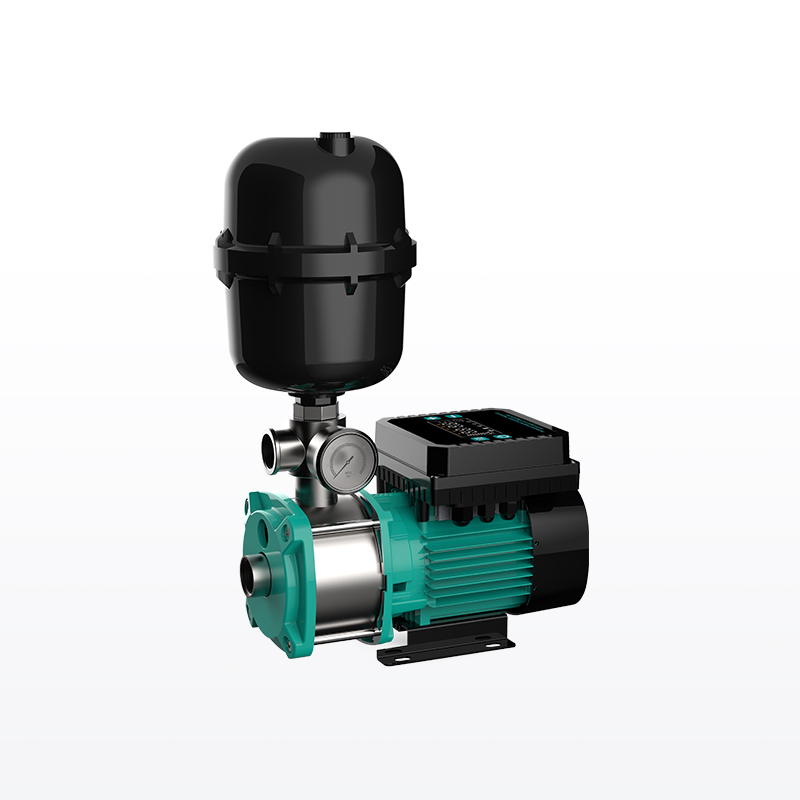
In the culinary processing sector, equipment is constantly exposed to highly corrosive elements. Acidic foods such as citrus juices, vinegar, and tomato paste can rapidly degrade lesser metals. This is precisely why 304 and 316L alloys are the globally preferred materials.
While 304 offers excellent baseline protection for general water and dairy applications, 316L remains the industry standard for more aggressive environments. The low carbon content minimizes carbide precipitation during welding procedures. More importantly, 316L contains molybdenum. This specific alloying element drastically increases resistance to pitting and crevice corrosion caused by chlorides, salts, and harsh cleaning detergents.
A primary concern in beverage and culinary manufacturing is preserving the organoleptic properties of the product, namely its taste, smell, and color. Lesser metals like carbon steel or brass can react chemically with acidic fluids, leaching metallic compounds directly into the product. This not only poses a severe health hazard but also irreparably alters the flavor profile of the food.
High-quality Stainless Steel Pump equipment is biologically and chemically inert. It simply does not react with the media being pumped. Whether you are moving delicate wines, purified water, or robust savory sauces, the material ensures that the product reaches the consumer exactly as the recipe intended, completely free from metallic taints.
Food processing frequently involves extreme temperature variations. Pasteurization, cooking, and sterilization processes require equipment to withstand sudden thermal shocks without warping or losing mechanical seal integrity. High-grade alloys exhibit an exceptionally low coefficient of thermal expansion compared to many plastics and standard metals.
This high-temperature tolerance allows the equipment to operate seamlessly during boiling processes and immediately transition to cold-water flushing without structural failure. Maintaining dimensional stability under thermal stress is vital for keeping tight internal clearances, which directly impacts the volumetric efficiency of the entire system.
To truly understand the commercial value of upgrading, plant managers must look at the structural differences. Below is a direct comparison highlighting why standard units fail in food production environments.
Feature | Standard Industrial Equipment | Sanitary Food Grade Equipment |
|---|---|---|
Construction Material | Cast iron, basic plastics, carbon steel | Premium 316L or 304 Stainless Steel |
Internal Geometry | Sharp corners, threaded connections, dead zones | Smooth curves, self-draining design, zero crevices |
Surface Finish | Rough, prone to microscopic pitting | Highly polished, roughness average below 0.8 micrometers |
Maintenance Protocol | Requires full manual teardown for cleaning | Fully compatible with automated Clean-in-Place systems |
Long-Term Value | High hidden costs due to leaks and contamination | Superior uptime, zero product loss, excellent compliance |
Centrifugal designs are the undisputed workhorses of the liquid processing industry. They operate by using a rotating impeller to impart kinetic energy to the fluid, driving it outward into the discharge piping. These units are highly efficient and represent the optimal choice for low-viscosity fluids such as milk, purified water, and clear juices.
Modern engineering has elevated these workhorses significantly. For example, integrating a permanent magnet variable frequency motor allows the system to instantly adjust rotational speed based on real-time pipeline pressure. This specific technology drastically reduces energy consumption while preventing hydraulic shock to delicate liquids.
When dealing with high-viscosity products or shear-sensitive materials, centrifugal forces can cause severe damage. This is where positive displacement mechanisms excel. Instead of spinning the fluid at high speeds, these models trap a fixed volume of material and gently force it through the discharge pipe.
Rotary lobe designs are ideal for handling thick slurries, honey, and dairy creams, moving the fluid without altering its delicate texture. Gear models provide precise metering for viscous liquids like chocolate or heavy syrups. In contrast, peristaltic units keep the fluid contained entirely within a flexible tube, ensuring zero contact with moving mechanical parts.
Certain applications require significantly higher pressure than a standard single-stage unit can generate. An SS Multistage Pump utilizes multiple impellers arranged in a series within a single robust casing. As the fluid passes from one stage to the next, the pressure is compounded exponentially.
In modern food facilities, these multistage units are critical for high-pressure operations. The YC-F 400 series, for instance, is engineered specifically for reverse osmosis water purification setups and high-pressure boiler feedwater systems. The heavy-duty construction ensures that even under immense pressure and continuous operation, the water remains uncontaminated and the internal components resist premature wear.
The dairy and beverage sectors operate under some of the most stringent hygiene regulations globally. Milk, in particular, is highly susceptible to rapid bacterial proliferation if exposed to unsanitary surfaces. Employing the correct sanitary equipment ensures that raw milk, whey, and pasteurized products are transferred safely from vats to packaging lines without degradation.
Similarly, breweries and bottling plants rely heavily on a dedicated Beverage Pump to manage yeast slurries, wort, and finished alcohol. These systems must strictly prevent oxygen ingress, which can spoil the beverage, while simultaneously resisting the acidic nature of fermented liquids.
The bakery and confectionery industries present unique fluid handling challenges due to the extreme viscosity and temperature requirements of their ingredients. Pumping liquid caramel, molten chocolate, fondant, and heavy dough batters requires robust, high-torque equipment that will not clog or stall under heavy mechanical loads.
Positive displacement models are engineered specifically to handle these thick syrups without breaking down the molecular structure of the product. For chocolate processing, units are often fitted with specialized heating jackets. These jackets maintain the product in a molten state during transfer, effectively preventing internal blockages and costly downtime.
Processing savory foods often involves moving liquids that contain suspended solids. Salsas, stews, chunky tomato sauces, and meat slurries require a gentle, low-shear pumping action to avoid emulsifying the product or crushing the particulates into an unappealing paste.
Using the correct sanitary design ensures that diced vegetables and meat chunks remain completely intact from the mixing vat to the final packaging line. The smooth internal surfaces prevent fat and grease buildup, a notoriously common issue in meat processing, thereby reducing the time and water volume required for daily cleaning cycles.
Accurate sizing and selection go far beyond simply matching pipe diameters. To ensure maximum uptime, engineers must evaluate the system based on strict operational criteria.
Map the Fluid Viscosity Profile: Viscosity, measured in centipoise, determines how resistant a fluid is to flow. Low-viscosity fluids flow easily and suit centrifugal models. High-viscosity materials like peanut butter require positive displacement mechanisms to physically push the dense product.
Calculate Total Dynamic Head: Flow rate must align perfectly with your production capacity. Total Dynamic Head accounts for the vertical distance the fluid must be lifted, the destination pressure, and the friction losses incurred as the fluid travels through pipes and valves. Failing to calculate this accurately results in a system that cannot deliver the required volume.
Verify Shear Sensitivity: Shear refers to the mechanical stress applied to the fluid. Shear-sensitive products like yogurt or mayonnaise can suffer irreversible texture damage if subjected to high-speed impellers. A low-shear mechanism is mandatory here.
Confirm Cleanability Standards: Verify that the internal casing, impellers, and seal chambers are entirely self-draining. They must withstand extreme temperatures and harsh caustic chemicals utilized during automated cleaning cycles.
Check Industry Certifications: Regulatory compliance is non-negotiable. Ensure the equipment meets Food and Drug Administration guidelines for elastomers and adheres to European Hygienic Engineering and Design Group frameworks.
One of the most frequent engineering errors is specifying a unit that does not match the actual hydraulic requirements of the system. Under-sizing forces the motor to run continuously at maximum capacity, leading to premature thermal overload and an inability to meet production quotas.
Conversely, over-sizing creates a different set of severe problems. An oversized centrifugal model operating far below its Best Efficiency Point experiences excessive radial thrust, leading to rapid bearing failure. Furthermore, operating outside designed pressure parameters drastically increases the risk of cavitation. Cavitation is a violent phenomenon where vapor bubbles implode against the impeller, destroying the internal metal components.
The mechanical seal is arguably the most vulnerable component of any fluid handling system. It serves as the primary barrier between the sanitary product zone and the external environment. Selecting an inappropriate seal type guarantees frequent leaks, product contamination, and unscheduled downtime.
Standard single mechanical seals may suffice for basic applications, but they are often inadequate for sticky or highly viscous foods. Processing high-sugar syrups can cause single seals to crystallize and tear rapidly. In such cases, a double mechanical seal with a compatible barrier fluid is required to lubricate the seal faces and prevent product ingress.
Procurement departments often focus heavily on the initial capital expenditure when evaluating quotes. However, the purchase price represents only a small fraction of the Total Cost of Ownership over the operational lifespan of the equipment.
Opting for cheaper, lower-quality equipment inevitably results in inflated operational expenditures. These hidden costs manifest as increased energy consumption, frequent replacement of wear parts, and lost revenue due to unplanned production halts. Investing in premium 316L equipment consistently yields a substantially higher return on investment over a ten-year operational cycle.
As the food and beverage industry evolves, processing facilities must continually modernize their infrastructure to meet increasing demands for precise process control. Historically, systems were operated at a constant speed, with flow rates controlled inefficiently by restrictive throttling valves. This outdated method wastes massive amounts of electrical energy.
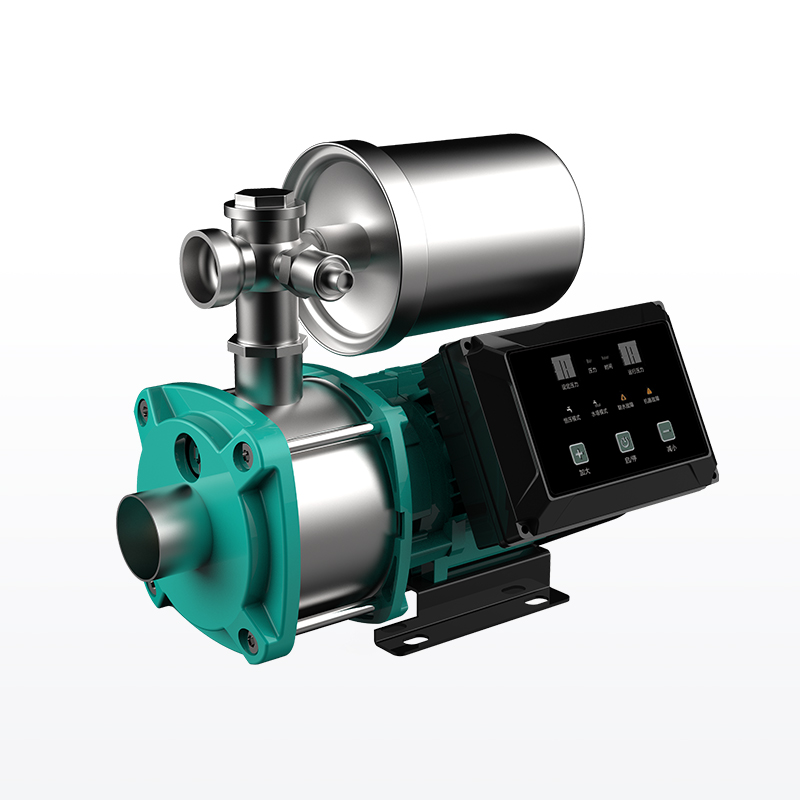
Modernizing equipment often involves pairing a reliable fluid handling unit with an advanced Variable Frequency Drive. This intelligent drive continuously monitors system feedback and instantly adjusts the rotational speed of the motor to match exact flow requirements in real-time. This dynamic control drastically reduces energy consumption, lowers carbon footprints, and provides the gentle, precise handling necessary to protect delicate food structures.
A specialized sanitary fluid handling system is far more than a simple mechanical device. It is a critical safeguard for food safety, product quality, and overall operational efficiency. Moving edible liquids safely without risking hygiene requires precision engineering and the right metallurgical choices.
Selecting the correct model prevents costly downtime and protects your bottom line from catastrophic product recalls. A reliable, well-sized system seamlessly boosts your daily efficiency while ensuring strict regulatory compliance.
Stop letting outdated equipment drain your profitability. Whether you need a high-pressure multistage solution for reverse osmosis or an intelligent variable frequency drive system for delicate beverages, upgrading your facility is the most effective way to protect your product. Visit Eiiman today to consult with experienced fluid handling experts and explore a full range of certified, high-performance solutions tailored to your production line.
Both alloys are common in industrial manufacturing, but they possess fundamentally different chemical compositions. Type 304 is standard for basic applications involving neutral fluids. However, Type 316L contains the addition of molybdenum, which significantly enhances its resistance to localized pitting and corrosion. This makes 316L the mandatory standard for processing highly acidic foods and for withstanding harsh chloride-based cleaning chemicals.
No, standard industrial models cannot be safely utilized for food processing, regardless of their metal composition. A true sanitary unit features highly specialized internal geometry designed to eliminate microscopic crevices, sharp corners, and dead zones where bacteria can accumulate. Furthermore, sanitary models utilize approved elastomers and are engineered to facilitate automated cleaning protocols without requiring manual dismantling.
Cleaning frequency is heavily dependent on the specific product being processed and local regulatory mandates. Generally, sanitary equipment must be subjected to a full automated cleaning cycle daily, or immediately between product changeovers, to prevent cross-contamination. Highly perishable products, such as raw dairy or meat emulsions, often dictate even more frequent and aggressive sterilization procedures.
For low-viscosity, high-volume liquids such as filtered water, clear fruit juices, soft drinks, and beer, a centrifugal model is typically the most efficient choice. These units provide smooth, continuous flow rates and are inherently easy to clean due to their simple internal design. However, if the beverage contains fragile suspended solids, such as pulp, a positive displacement mechanism may be required to prevent mechanical damage to the ingredients.
Viscosity directly impacts internal friction, flow rate, and required motor horsepower. As fluid thickness increases, centrifugal units suffer a severe drop in efficiency and flow capacity. Therefore, highly viscous products require positive displacement technologies, which trap and move fixed volumes of fluid mechanically. Accurately measuring the viscosity of your product is critical for specifying the correct motor size and preventing mechanical overload.
Cavitation typically manifests as a distinct, loud noise resembling gravel or marbles passing through the metal casing. Additional signs include unexpected heavy vibrations, fluctuating discharge pressure, and an overall reduction in flow rate. If left unaddressed, cavitation will cause rapid pitting on the impeller blades, ultimately leading to catastrophic mechanical failure and potential metal contamination of the food product.
The mechanical seal prevents the fluid from leaking along the rotating drive shaft. In food applications, these seals must not only prevent leaks but also withstand extreme temperature fluctuations during sterilization and resist chemical degradation from cleaning agents. Specialized sanitary seals ensure that no external contaminants enter the product zone and that barrier fluids are strictly food-safe, maintaining the hygienic integrity of the entire processing system.
Sizing requires calculating the Total Dynamic Head, which includes the vertical lift required, the operational pressure needed at the destination, and the friction loss through all pipes, valves, and fittings. You must also match the flow rate capacity to your production line speed and factor in the fluid viscosity. Consulting an engineer to plot these variables on a performance curve ensures the system operates at its Best Efficiency Point.
While high-grade steel can withstand temperatures well over 500 degrees Celsius, the limiting factor is always the internal elastomers and mechanical seals. Standard food-grade EPDM seals typically handle up to 140 degrees Celsius, which is sufficient for standard boiling and Sterilize-in-Place procedures. For applications exceeding this, specialized Viton or PTFE seals must be specified to prevent seal degradation and catastrophic leaks.