Views: 0 Author: Site Editor Publish Time: 2026-10-29 Origin: Site


Picture this. You are managing a critical fluid transfer operation. Suddenly, the entire system grinds to a halt. The culprit is a simple pocket of air that infiltrated the suction line. This frustrating mechanical failure is widely recognized as air binding. It plagues conventional centrifugal systems because standard equipment is built to move dense liquids rather than gases. When air enters the casing, operations stop. This leads to expensive downtime and wasted labor hours.
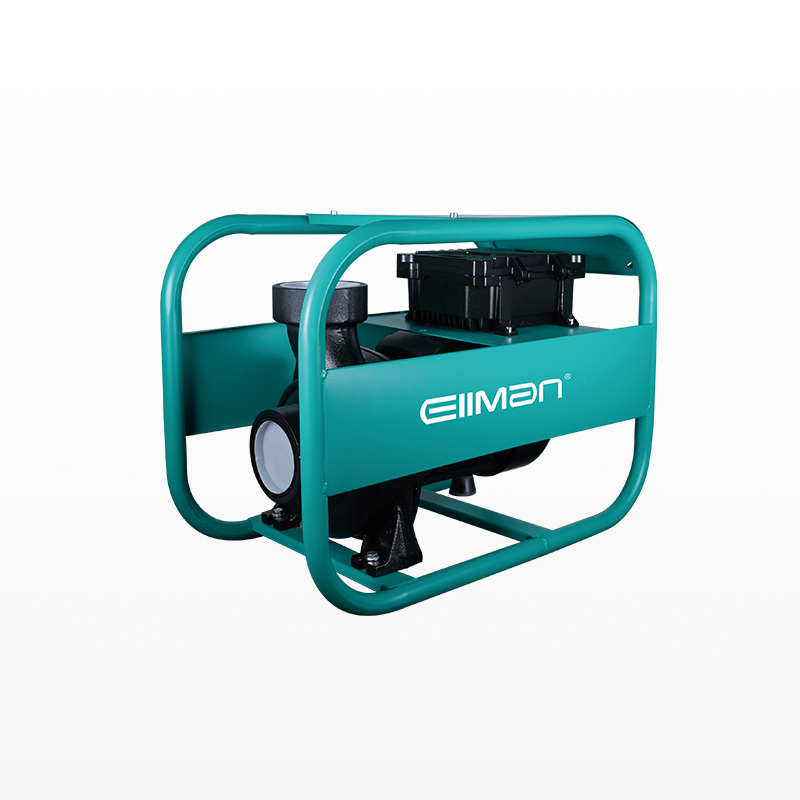
To combat this persistent issue, engineers developed a specialized solution. A Self Priming Pump is ingeniously designed to mix air and water. It creates a functional vacuum that automatically restores fluid flow. By eliminating the constant need for manual priming, these robust devices save operators significant time while ensuring continuous reliability. Whether you are upgrading a large-scale industrial facility or searching for a dependable system for your property, understanding the exact mechanics behind this technology is crucial for making an informed investment.
To accurately appreciate the engineering value of self-priming technology, we must first examine the mechanical limitations of traditional centrifugal models. Conventional pumps rely heavily on the physical properties of fluid dynamics to generate a pressure differential across their spinning impeller. Air is approximately 800 times less dense than water. Therefore, it lacks the necessary mass to create sufficient centrifugal force.
Consequently, if air enters the suction pipe, the impeller merely churns the trapped gas. The system fails to generate the low-pressure zone required to draw more liquid into the casing. All fluid transfer ceases entirely. To restore functionality, maintenance personnel must manually fill the pump casing and the entire suction line with liquid. This highly labor-intensive procedure disrupts productivity.
In contrast, self-priming variants are engineered specifically to overcome this physical barrier. They feature an oversized built-in reservoir designed to retain a residual volume of liquid long after the motor has been shut off. Even when atmospheric air infiltrates the system, this specialized equipment utilizes its retained liquid to systematically evacuate the trapped gas. It draws the source fluid upward and seamlessly resumes normal operations without requiring human intervention.
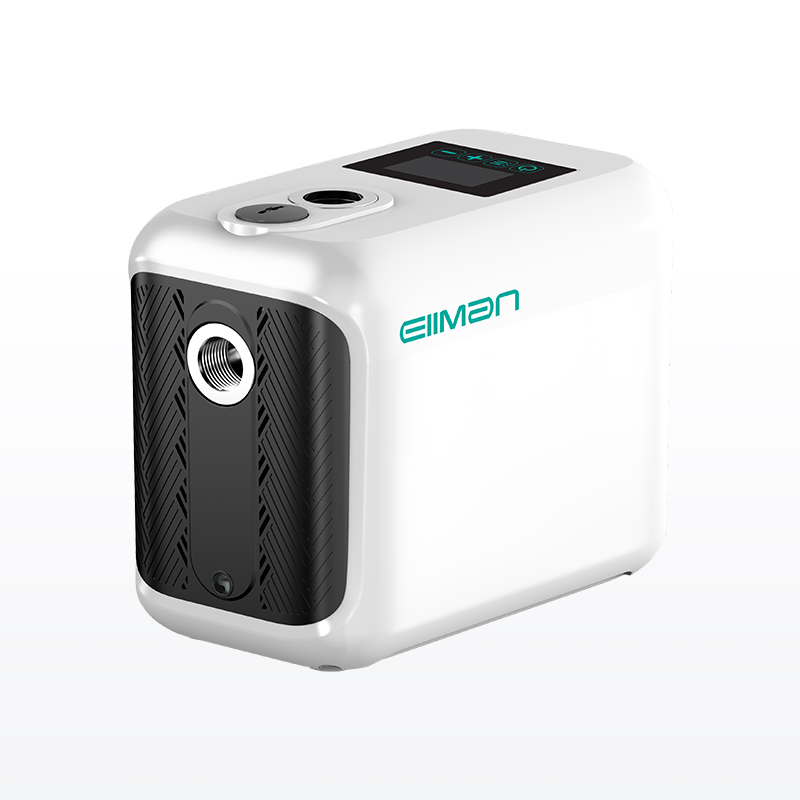
The operational cycle initiates the moment the motor activates. As the internal impeller rotates rapidly, it creates a localized low-pressure zone at its center. The residual liquid stored within the outer casing is immediately drawn into the spinning blades. It violently mixes with the air currently trapped in the suction line.
This mechanical turbulence creates a frothy air-water emulsion. The impeller forces this mixture outward into a larger separation chamber. Within this expanded space, fluid dynamics take over. The lighter air naturally separates and vents upward through the discharge pipe. Meanwhile, the heavier water is pulled back down by gravity. This recirculating water returns to the impeller to capture more air. This continuous cycle progressively strengthens the internal vacuum until the source fluid is finally pulled up into the casing.
Once the recirculation process has successfully evacuated all atmospheric air from the suction piping, the internal pressure drops significantly. The sheer weight of the earth's atmosphere pressing down on the source pool forces the liquid up into the impeller eye. At this critical juncture, the internal air-water recirculation ceases. The equipment now functions exactly like a standard centrifugal unit. It delivers a steady, high-velocity flow of liquid through the discharge network.
The true reliability of this system relies on its shutdown sequence. When powered off, gravity naturally pulls the fluid in the suction line back toward the source. To prevent the main casing from draining completely, these pumps incorporate a built-in gooseneck pipe design or an internal check valve at the inlet. This crucial engineering feature ensures a precise volume of liquid remains permanently trapped inside. It serves as the essential priming fluid for the next startup.
When evaluating fluid handling technologies, facility managers must weigh peak hydraulic efficiency against day-to-day operational reliability. Non-self-priming units generally feature tighter internal clearances between the impeller and the volute. This results in slightly higher peak efficiency. However, they strictly demand a flooded suction environment. They must be placed below the fluid source. Trading a marginal fraction of mechanical efficiency for substantial gains in system autonomy, self-priming models drastically reduce long-term labor costs and unexpected downtime.
Feature | Self-Priming Pumps | Standard Centrifugal Pumps |
|---|---|---|
Installation Location | Above ground, easy access | Submerged or below fluid level |
Air Handling | Evacuates air automatically | Prone to air binding |
Maintenance | Simple, surface-level inspection | Complex, often requires confined space entry |
Initial Setup | Requires one-time manual fill | Requires continuous flooded suction |
Specifically, the physical installation requirements present a massive divergence between these two technologies. Traditional pumps often necessitate submersible installations or below-grade dry pits. This complicates routine maintenance and triggers hazardous confined-space entry protocols. Conversely, self-priming alternatives can be securely mounted high and dry at ground level. This surface-level footprint provides technicians with effortless access for routine inspections, lubrication, and mechanical seal replacements.
Widely utilized in residential and light commercial settings, the Jet Pump is a staple of decentralized water extraction. It operates by directing a portion of the pumped water through an internal ejector assembly. This mechanism comprises a specialized nozzle and a venturi tube. As water accelerates through the restrictive nozzle, its pressure plummets. This creates a powerful vacuum that effectively pulls well water into the plumbing system.
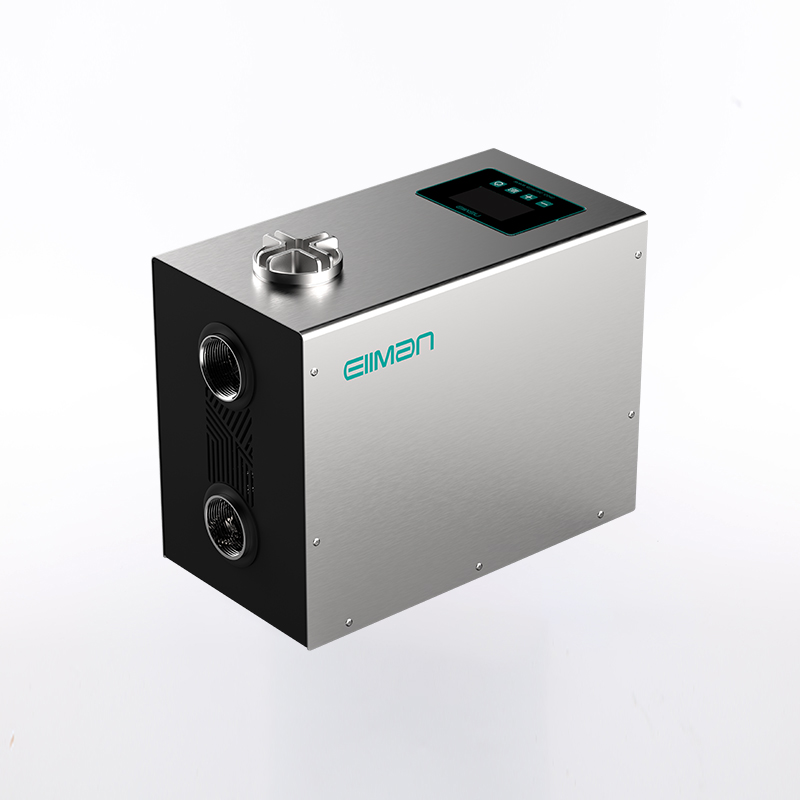
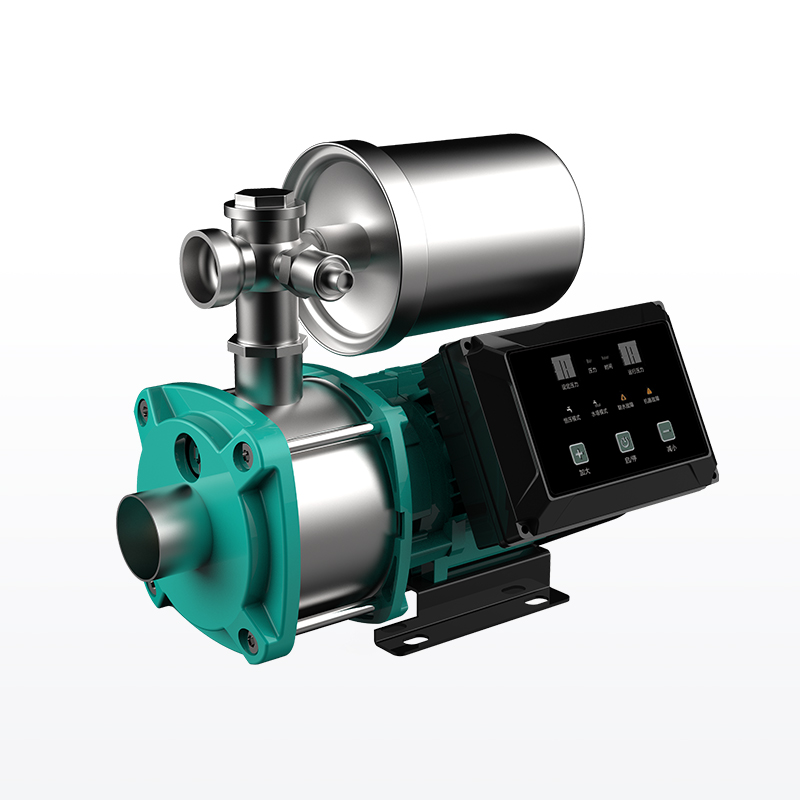
For modern infrastructure demanding maximized energy conservation, the PM VFD Pump represents the current industry benchmark. By combining a frictionless Permanent Magnet motor with a Variable Frequency Drive, this electronic controller automatically adjusts the rotational speed based on real-time fluid demand. For instance, advanced models can achieve a maximum flow rate of 4 cubic meters per hour and a maximum head of 30 meters. This intelligent synergy guarantees reliable self-priming action up to 8 meters of suction lift. Furthermore, it slashes electrical consumption by up to 50 percent, making it ideal for facilities with fluctuating daily usage.
In heavy industrial sectors dealing with raw wastewater, thick slurries, or fluids containing suspended solids, standard impellers jam rapidly. Non-clog variants are engineered with robust semi-open impellers and vast internal clearances. They are specifically built to pass large spherical solids and stringy debris without choking. This ensures continuous operation in the harshest environmental conditions.
Looking closely at recent market analyses and engineering advancements, the fluid transfer industry is experiencing a massive paradigm shift. The focus is rapidly moving toward energy conservation and automated monitoring. Modern facilities are actively transitioning away from traditional single-speed motors. Those outdated systems consume maximum electricity regardless of actual output requirements. Instead, current trends heavily favor integrating intelligent drives and permanent magnet technologies.
This evolution drastically reduces the carbon footprint and lowers the total cost of ownership. It also enhances equipment lifespan by minimizing mechanical stress during startup. In addition, predictive maintenance powered by IoT sensors is becoming the new standard. Operators can now detect potential air leaks, vibration anomalies, or seal wear long before a catastrophic failure occurs. The integration of smart controllers ensures that pump systems adapt dynamically to changing hydraulic conditions, offering unprecedented reliability.
The unique ability to draw fluid from a lower elevation makes this equipment essential for municipal and private infrastructure. Whether extracting from an underground cistern, pulling from a shallow agricultural well, or acting as a booster station for municipal lines, a dependable Water Supply Pump delivers continuous automated flow. They are particularly vital in irrigation networks. Stationed safely on elevated pond banks, they draw water upward without losing prime during dry spells.
In rigorous industrial environments, equipment reliability directly correlates with overall profitability. Throughout mining and civil construction, these pumps are deployed for excavation dewatering. They effectively clear groundwater from deep trenches. In petrochemical plants, they safely transfer corrosive fluids from underground storage tanks. Because the machinery remains safely on the surface, operators are shielded from direct exposure to hazardous chemicals during maintenance. This significantly improves environmental health and safety compliance.
The longevity and operational safety of any fluid handling system are heavily dictated by its metallurgical construction. When moving aggressive, acidic, or caustic fluids, standard cast iron components degrade rapidly. Upgrading to a Stainless Steel Pump offers exceptional resistance to oxidation and chemical attack. High-grade models utilizing 304 or 316 stainless steel naturally form a microscopic self-healing chromium oxide layer on their surface. This prevents underlying metal decay and ensures years of leak-free service, even when handling fluids up to 90 degrees Celsius.
Beyond chemical resilience, material porosity is a critical factor for sanitary applications. For drinking water municipalities, commercial breweries, and pharmaceutical manufacturing, equipment must adhere to stringent hygiene standards. Stainless steel features a highly smooth, non-porous surface. It actively prevents bacterial adhesion and biofilm formation. This guarantees the transferred fluid remains entirely uncontaminated and safe for human consumption.
While engineered for exceptional reliability, these systems operate within strict physical parameters. If your equipment fails to achieve a prime, technicians should systematically evaluate several variables rather than guessing at the cause.
First, check for an empty casing. The term self-priming applies only to subsequent starts. For the very first startup after installation or deep maintenance, the main casing must be manually filled with liquid to initiate the air-evacuation process.
Second, inspect for suction line leaks. The entire mechanism relies on creating a vacuum. If atmospheric air continuously leaks into the suction pipe through compromised O-rings, loose flange bolts, or hairline pipe cracks, the system will indefinitely draw air. It will never achieve a vacuum.
Third, look for a clogged impeller or volute. Solid debris blocking the impeller eye or the internal recirculation port will physically impede the crucial air-water mixing phase. This halts the priming cycle in its tracks.
Finally, verify the suction lift. Physics dictates that atmospheric pressure can only push water so high. Ensure the vertical distance from the water source up to the inlet does not exceed the practical maximum suction lift. For standard models, this is typically around 8 meters.
To maintain optimal volumetric efficiency and prevent unexpected operational failures, facilities should implement a strict preventative maintenance schedule. Regularly inspect and monitor the mechanical shaft seals for any early signs of fluid weeping or external leakage. Ensure the suction strainer is routinely cleaned and remains free of restrictive mud or debris.
Periodically inspect the internal flap valve or inlet check valve to verify it seats properly. This guarantees the casing retains its necessary priming fluid during shutdown periods. Furthermore, monitor bearing temperatures and motor vibration signatures to predict wear before a catastrophic mechanical failure occurs.
Selecting the correct machinery requires precise engineering calculations rather than rough estimations. Before specifying a model, accurately calculate your required flow rate. Next, determine the Total Dynamic Head. This accounts for vertical lift, required discharge pressure, and friction loss caused by the piping network. Finally, meticulously measure the exact vertical distance from the lowest expected level of your fluid source to the inlet. This ensures the selected model possesses adequate suction lift capabilities.
When designing a new fluid transfer network or retrofitting an aging one, initial capital expenditure must be weighed against long-term operational costs. Traditional single-speed motors consume maximum electricity constantly. If you are seeking a future-proof infrastructure investment that systematically lowers utility bills while providing whisper-quiet operation, integrating variable speed technology is highly recommended. Combining proven self-priming mechanics with intelligent sensor-driven pressure control creates a superior data-driven solution.
By leveraging a clever mix of fluid dynamics and robust mechanical design, self-priming technology eliminates the historic headaches of manual priming and air binding. Choosing the right equipment guarantees easier maintenance, highly flexible installation, and years of uninterrupted performance. To explore high-efficiency models tailored to your specific flow and head requirements, visit Eiiman and discover the perfect fit for your industrial or residential application.
No. While they are specifically engineered to handle air during the brief priming phase, the main casing must always contain an initial volume of liquid. Running the equipment completely dry will cause extreme friction. This rapidly overheats and destroys the mechanical seals, impellers, and internal components.
Priming time is highly variable. It depends on the total length and diameter of the suction line, as well as the operational speed of the motor. Typically, it takes anywhere from a few seconds to a couple of minutes. If the process takes longer than five minutes, there is highly likely an air leak in the suction piping that must be identified and sealed.
While this technology does not strictly require a foot valve to operate, installing a high-quality foot valve at the submerged end of the suction line is highly recommended by engineers. It keeps the suction line fully flooded during off-cycles. This drastically reduces priming time and minimizes mechanical wear during startup.
A jet model utilizes a specific internal ejector mechanism consisting of a nozzle and a venturi tube to create a localized vacuum. This makes it highly effective for drawing clean water from shallow wells. Conversely, standard self-priming centrifugal models rely on an oversized casing for fluid recirculation. They are generally built to handle much larger fluid volumes and suspended solids.
A smart variable frequency setup adjusts the motor's rotational speed based on actual real-time demand rather than running at full speed constantly. This sophisticated approach results in perfectly constant system pressure and significantly reduced mechanical wear and tear. It offers up to 50 percent energy savings when compared to traditional single-speed induction motors.
Due to the limits of atmospheric pressure, the theoretical maximum suction lift is roughly 10 meters at sea level. However, practical engineering limits typically restrict dependable operation to about 7.5 to 8 meters. Attempting to pull fluid from deeper sources will lead to cavitation, severe performance drops, and potential mechanical damage.
To protect your equipment from freezing temperatures, you must completely drain the fluid casing. Locate the drain plug at the bottom of the volute and remove it to let all residual water escape. Disconnect the suction and discharge lines to ensure no water remains trapped in the pipes. Storing the unit in a climate-controlled environment during harsh winters will significantly extend the lifespan of the internal seals and bearings.