Views: 0 Author: Site Editor Publish Time: 2026-10-27 Origin: Site


Are you constantly dealing with the frustration of replacing broken well equipment? Frequent mechanical failures not only waste your hard-earned money but also disrupt your daily life. Imagine the headache of hiring a heavy-duty rig to pull a shattered unit out of a 300-foot shaft in the freezing rain, all because a cheap plastic component could not handle the subterranean pressure.
Standard cast iron degrades rapidly in harsh, mineral-heavy water. Thermoplastic parts often warp under the intense stress of deep aquifers. If you are looking for a lasting, truly reliable solution, upgrading your groundwater extraction system is essential. In this comprehensive guide, we will explore the underlying metallurgical science of pump durability, compare structural materials, and provide actionable maintenance and buying strategies to ensure your water supply remains uninterrupted for decades.
Superior Corrosion Resistance: The inherent chemical properties of stainless steel allow it to naturally resist rust and material degradation. This makes it the optimal choice for harsh, acidic, or mineral-heavy water conditions.
Exceptional Lifespan: Empirical field data indicates that a high-quality stainless steel unit can maintain operational efficiency for 15 to 25 years. This significantly outperforms plastic or cast-iron alternatives.
Better Return on Investment: While the upfront capital expenditure may be slightly higher, the drastic reduction in maintenance, retrieval, and replacement costs makes this the most cost-effective choice over its lifecycle.
Versatile Applications: These robust machines are engineered for demanding environments. They serve flawlessly in deep wells, large-scale agricultural irrigation, and modern renewable energy systems.
Structural Integrity: Metallic alloys maintain their structural stability under immense hydrostatic pressure. They also facilitate superior heat dissipation, preventing motor burnout far better than thermoplastic components.
To make informed decisions about water extraction systems, it is crucial to understand the foundational mechanics of the equipment. At its core, a Submersible Pump is a highly specialized mechanical device featuring a hermetically sealed motor close-coupled to the hydraulic body. The entire assembly is designed to be fully submerged in the fluid it is meant to move. When constructed from high-grade steel alloys, both the external casing and the delicate internal mechanical components are shielded against the harsh, corrosive realities of underground aquifers.
The fundamental advantage of this submerged design lies in its method of fluid transfer. Unlike above-ground jet systems that rely on atmospheric pressure to pull water upward, a process severely limited by the physics of cavitation and maximum lift, submersible models actively push water to the surface. By driving the fluid from below, these mechanisms operate with significantly higher hydraulic efficiency.
When lowered hundreds of feet underground into a narrow 4-inch or 6-inch casing, the equipment faces immense hydrostatic pressure. Rigid metallic housings and precision-engineered impellers are critical in these deep-shaft applications. The unyielding structure prevents the outer shell from crushing, ensuring a consistent volumetric flow rate to the surface without mechanical binding.
Because of their industrial-grade durability, these robust machines are deployed across a wide spectrum of demanding applications. In residential settings, they provide a reliable, contamination-free municipal or well water supply for households. In the agricultural sector, they act as the backbone of high-volume irrigation systems, capable of running continuously during peak watering seasons without suffering from thermal degradation.
Furthermore, industrial facilities rely on them for heavy-duty fluid transfer, particularly when dealing with mildly corrosive liquids or high-temperature water. Recently, their exceptionally low maintenance requirements have made them highly popular in off-grid setups. They pair flawlessly with renewable energy sources where autonomous reliability is paramount.
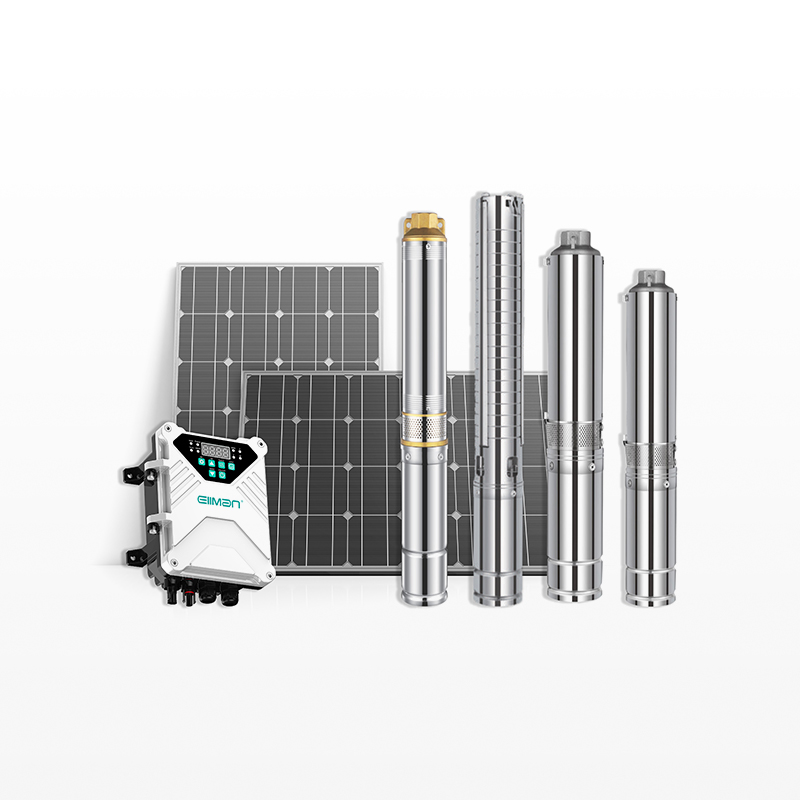
The longevity of these systems is not a matter of clever marketing. It is a direct result of proven metallurgical science. Understanding the specific material properties reveals exactly why these metallic alloys outlast their cheaper counterparts in the field.
The primary enemy of any submerged metal is oxidation, commonly known as rust. Stainless steel combats this through an elegant chemical process called passivation. The alloy contains a minimum of 10.5 percent chromium. When exposed to oxygen in the water, this chromium forms an ultra-thin, invisible layer of chromium oxide on the surface of the metal.
This passive layer acts as an impenetrable shield. If the surface is scratched by rough sand or sharp debris, the chromium reacts with the surrounding oxygen to instantly self-repair the protective barrier. This self-healing property makes it exceptionally resistant to hard water containing high levels of calcium, magnesium, and mildly acidic pH levels that would otherwise rapidly dissolve cast iron.
Depth directly equates to pressure. For every 2.31 feet of water depth, pressure increases by 1 PSI. A Deep Well Pump submerged at 400 feet is subjected to continuous, crushing hydrostatic forces that can easily exceed 170 PSI.
Standard plastics can suffer from micro-fractures under such intense stress. However, 304 and 316-grade alloys possess exceptional tensile and yield strength. The structural integrity of a metallic casing ensures that the internal motor and hydraulic stages remain perfectly aligned. If the casing were to warp even a millimeter, the internal impellers would rub against the diffusers, leading to catastrophic, grinding mechanical failure.
Submerged motors generate substantial heat during continuous operation. Because they are enclosed in a hermetically sealed casing, this internal heat must be transferred to the surrounding water to prevent the copper windings from melting.
Metals possess excellent thermal conductivity compared to polymers. The steel rapidly transfers the internal heat generated by the motor out into the flowing water moving past the outer casing. This highly efficient heat dissipation keeps the motor running within its optimal temperature range, drastically extending the life of the electrical components, seals, and bearings.
Recent market analyses reveal a significant industry-wide shift in how professionals approach groundwater extraction. As global water tables gradually deplete due to climate shifts and increased agricultural demand, property owners are being forced to drill deeper wells. Deeper wells mean exponentially higher hydrostatic pressures and hotter subterranean environments.
Consequently, the fragility of thermoplastic equipment is becoming a major liability, driving a massive market transition toward heavy-duty stainless alloys. Industry experts also note that the modern integration of smart grids and renewable energy requires equipment that can handle fluctuating electrical frequencies without overheating. Stainless steel is currently the only material that reliably supports these advanced, sustainable pumping technologies without compromising structural integrity. We are seeing a massive surge in agricultural sectors upgrading to 316-grade stainless steel to combat the mildly corrosive runoff from modern fertilizers.
When evaluating purchasing options, buyers frequently weigh the core product against its primary market competitor, which is the thermoplastic model. An objective, side-by-side comparison highlights distinct differences in daily performance and overall lifecycle value.
Thermoplastic variants utilize advanced polymers for their casings and impellers. While these materials are entirely immune to traditional rust, they suffer from inherent mechanical fragility. Plastic impellers can warp under high operational temperatures. They can also snap entirely when subjected to the impact of small rocks, silica sand, or abrasive sediment drawn into the intake screen.
In stark contrast, metallic impellers feature a rigid, unyielding nature. They can process moderate amounts of suspended solids and abrasive grit without chipping or losing their precise hydrodynamic shape. This intense resistance to physical wear ensures that the system maintains its original flow rate and pressure specifications over years of continuous, punishing operation.
To understand the true cost of an installation, one must calculate the total cost of ownership. This encompasses the initial purchase price, heavy-machinery installation labor, ongoing maintenance, and eventual replacement.
Evaluation Metric | Thermoplastic Models | Stainless Steel Models |
|---|---|---|
Initial Purchase Cost | Lower | Higher |
Average Lifespan | 5 to 10 Years | 15 to 25+ Years |
Abrasion Resistance | Low, highly prone to sand wear | High, maintains impeller integrity |
Replacement Frequency | High | Low |
Overall 20-Year Value | Poor, requires multiple replacements | Excellent, often requires zero replacements |
While a plastic unit may present a tempting lower initial price tag, the sheer cost of hiring a well rig and crew to pull a broken rig out of a deep shaft easily wipes out any upfront savings. Replacing a fragile unit every five to seven years is economically disastrous compared to investing in a single, heavy-duty unit that operates reliably for two decades.
A common question among rural property owners and agricultural planners regards the expected operational timeline of their water infrastructure. While exact timelines vary based on local environmental conditions, industry standards provide clear, reliable benchmarks.
Under normal operating conditions, a high-quality Borehole Pump made of high-grade alloy is engineered to last between 15 and 25 years. In ideal environments characterized by clean, pH-neutral water and stable electrical supplies, it is not uncommon for these heavy-duty units to exceed 25 years of continuous service. This unparalleled longevity is precisely why municipal engineers specify this material for long-term infrastructure projects.
Despite the inherent physical durability of the material, several external variables ultimately dictate the actual lifespan of your system.
Water Quality: High concentrations of abrasive sediment, like fine silica sand, can act as liquid sandpaper, gradually wearing down even the toughest impellers. Extreme pH imbalances or highly corrosive chlorides can also test the limits of the protective chromium oxide layer.
Duty Cycles: The frequency with which the motor turns on and off places immense thermal stress on the internal windings. A properly sized pressure tank reduces rapid cycling, thereby significantly extending the life of the motor.
Installation Quality: Proper initial installation prevents violent mechanical shock and sudden electrical burnout. This includes the use of torque arrestors, correct wire sizing, and appropriate check valve placement.
Even the most robust mechanical systems eventually experience wear. Diagnosing the early warning signs of system degradation allows for proactive, scheduled replacement before a complete, emergency loss of your water supply occurs.
One of the most immediate and frustrating indicators of mechanical wear is a noticeable decline in household water pressure. You might also notice taps that aggressively spit a mixture of trapped air and water. In older, non-metallic units, this is often caused by severely worn impellers that can no longer generate the necessary hydraulic lift. If your surface pressure switch and storage tank are functioning correctly, a persistent drop in flow rate strongly suggests internal fatigue.
A failing motor becomes highly electrically inefficient. As internal bearings grind down or intake screens become choked with mineral scale, the motor must work twice as hard to draw and push the same volume of fluid. This increased mechanical resistance causes the system to draw significantly higher amperage. If you notice a sudden, unexplained spike in your monthly electricity consumption, a degrading well system is a highly likely culprit.
While these machines operate deep underground, mechanical failures can still manifest visually and audibly at the surface. The sudden appearance of cloudy, muddy, or sand-filled water indicates that the unit may be sitting too low in the aquifer, or the intake screen has ruptured. Additionally, if you hear violent clicking, thumping, or grinding noises transmitting up the drop pipe, it is a clear sign of a failing check valve or internal bearing collapse.
Protecting your financial investment requires minimal but highly strategic maintenance. Because the equipment itself is inaccessible without heavy machinery, surface-level monitoring and system optimization are your primary methods of preservation.
The most critical factor in preventative maintenance is understanding the specific chemical makeup of your water supply. Geological conditions constantly shift. An aquifer that was once perfectly clear may begin accumulating abrasive particulates due to seismic micro-shifts. It is highly advisable to conduct comprehensive water testing annually, looking out for pH imbalances and fine silica sand.
If your well produces sandy water, installing a sand shroud is a scientifically proven method to mitigate abrasive damage. This simple device forces water to flow rapidly past the motor before entering the intake screen, simultaneously cooling the motor and filtering out larger abrasive particles.
Specifically, inspecting and replacing worn check valves every few years is a low-cost maintenance step. This prevents severe water hammer, which is a massive mechanical shock that occurs when a column of water drops rapidly back down the pipe. Water hammer can shatter internal components over time.
Modernizing your water extraction infrastructure is an excellent way to extend its lifespan. Integrating a durable metallic unit with a renewable energy source effectively eliminates grid dependency and protects the sensitive motor from municipal electrical surges and brownouts.
By pairing a high-efficiency motor with a reliable Solar Pump controller, your system benefits from advanced soft-start technology. Instead of slamming the motor with full power instantly, this technology gradually ramps up the operational speed. This eliminates the violent mechanical torque and electrical inrush current associated with traditional direct-on-line starting methods, easily adding years to the operational life of the equipment.
Selecting the correct equipment requires matching precise technical specifications to your unique environmental realities. A methodical, math-based approach to purchasing ensures optimal daily performance and prevents rapid, premature failure.
The most common engineering error in purchasing is improper sizing. An oversized motor will cycle too rapidly, overheating the internal components. An undersized motor will run continuously without ever meeting your demand, leading to eventual burnout. Sizing must be calculated based on two critical metrics.
First, calculate your Gallons Per Minute. This is the volumetric flow rate required to meet the peak demand of your household or farm. It is calculated by counting the number of active water fixtures and estimating simultaneous usage. For instance, an average residential home typically requires 10 to 12 Gallons Per Minute.
Next, determine your Total Dynamic Head. This metric calculates the total physical resistance the machine must overcome. It includes the vertical lift from the static water level to the surface, the vertical lift into the building, and the friction loss created by plumbing elbows and pipes. Matching your precise flow rate and head requirements to the performance curve of the manufacturer ensures the motor operates smoothly at its best efficiency point. For example, modern DC brushless systems can easily achieve a maximum head of 150 meters while delivering stable flow rates up to 5000 liters per hour.
When upgrading, consider integrating a Variable Frequency Drive, often referred to as a constant pressure system. Instead of running at full capacity every time you open a single faucet, this drive intelligently adjusts the speed of the motor based on real-time water demand. Stainless steel is uniquely suited for this integration because its superior thermal conductivity safely dissipates the excess heat generated when motors run at lower, variable frequencies.
To finalize your purchasing decision, carefully consider the objective advantages and disadvantages of selecting a Stainless Steel Pump over cheaper alternative materials.
Pros: Unmatched longevity, extreme structural durability under high pressure, eco-friendly operation that does not leach microplastics into drinking water, and superior thermal efficiency for motor cooling.
Cons: A higher initial purchase price and a heavier physical weight, which may require robust lifting equipment during the initial installation phase.
Ultimately, the objective field data strongly supports the upgrade. The initial financial outlay is a calculated, low-risk investment that pays for itself by eliminating decades of maintenance and replacement costs.
While the market is flooded with various types of water extraction equipment, the stainless steel submersible model remains the undisputed champion of durability and long-term performance. Its unique metallurgical properties allow it to shrug off corrosion, withstand crushing subterranean pressures, and dissipate heat efficiently.
Investing in a high-quality, heavy-duty unit brings absolute peace of mind. You will face significantly fewer repairs over the coming decades, guaranteeing a steady, reliable water supply for your home, farm, or industrial facility. Do not wait for your current plastic or cast-iron setup to fail in the middle of winter. Upgrade your failing system to a modern, resilient solution today. We highly recommend exploring the energy-efficient solar integrations and premium stainless steel models available at Eiiman to truly future-proof your property and maximize your operational efficiency.
Yes, the initial upfront cost is objectively higher. The complex manufacturing process for high-grade metal alloys requires significantly more energy and precision engineering than simply injection-molding thermoplastic. However, because a metallic unit typically lasts up to three times longer than a standard plastic alternative, it proves to be far more cost-effective over its lifecycle. When you factor in the exorbitant labor costs of hiring a crew to retrieve a broken plastic unit from a deep shaft every few years, the superior return on investment becomes immediately apparent.
Yes, they are highly capable, provided you select the correct specific alloy grade. Standard materials, such as 304-grade, are highly resistant to mild corrosion and are perfect for typical groundwater applications. For more aggressive environments, such as brackish water, high-salinity coastal wells, or industrial chemical transfer, 316 marine-grade alloy is strictly recommended. The addition of molybdenum in 316 alloys provides exceptional resistance to chloride pitting and crevice corrosion.
For deep subterranean applications, a stainless steel model is unequivocally the best choice. As you drill deeper underground, hydrostatic pressure increases exponentially. Thermoplastic casings are highly prone to micro-fractures, warping, or complete structural collapse under these immense forces. Metallic alloys possess the raw structural integrity required to withstand extreme depths without cracking, ensuring consistent, high-volume water pressure is delivered safely to the surface.
Renewable energy systems are frequently deployed in remote, off-grid, or expansive agricultural locations where regular maintenance is logistically challenging and highly expensive. Using highly durable metallic components ensures that the entire system can run autonomously for years without requiring costly interventions or part replacements. Because solar arrays are designed for long-term sustainability, pairing them with a fragile material that degrades quickly would defeat the purpose. Heavy-duty alloys ensure the mechanical lifespan perfectly matches the longevity of the solar panels.
Yes, it can have a highly positive impact on maintaining your natural water purity. Unlike traditional cast iron models that inevitably rust and introduce iron oxide, specifically red water, into your plumbing, or cheap plastics that can slowly degrade and leach chemical compounds over time, this material is biologically and chemically inert. It naturally resists the buildup of biofilms and bacteria, ensuring that your drinking water remains hygienic, clean, and entirely uncontaminated by the extraction equipment itself.
Continuous operation without pressure building is a classic symptom of internal mechanical failure or a severe leak. In many cases, the impellers have worn down due to abrasive sand, meaning they can spin but cannot lift the water. Alternatively, the check valve may have failed, or there is a hole in the drop pipe below the water line. Upgrading to a highly abrasive-resistant metallic impeller system prevents this specific type of rapid internal wear.
This depends on the motor design. Three-wire motors require a surface-mounted control box containing the starting capacitors and relays, making them easier to service without pulling the unit out of the ground. Two-wire motors have these components built directly into the submerged unit. Modern DC solar setups always require a specialized Maximum Power Point Tracking controller at the surface to regulate the variable voltage coming from the solar panels and protect the internal motor windings.