Views: 0 Author: Site Editor Publish Time: 2026-05-27 Origin: Site


Downtime risk and operational expenses remain major concerns for off-grid buyers. A Solar Pump eliminates fuel logistics and grid dependency entirely. However, it trades heavy engine maintenance for environmental and systemic oversight. You must shift your focus from mechanical repairs to predictable operational forecasting. Treating maintenance as an interdependent system ensures consistent water delivery without surprise costs. We will outline a structured Operations and Maintenance (O&M) framework to guide you. Evaluators can accurately forecast labor requirements and component lifecycles before finalizing procurement. This guide breaks down maintenance tasks by pump architecture and environmental risks. You will learn how to evaluate preventative care versus routine checks. Ultimately, you will discover how to leverage remote data to keep your systems running smoothly for decades.
Lower OPEX, Different Focus: Solar pumps eliminate engine servicing and fuel logistics, shifting maintenance entirely to panel cleaning, sensor checks, and water quality management.
Component Lifespans: With preventative care, solar panels last 20–25 years, controllers 5–15 years, and pump wet-ends 10–20 years (heavily dependent on water conditions).
Architecture Matters: Submersible pumps require preventative well-monitoring (sand/scaling), while surface pumps require active inlet and air-lock management.
Data is the Best Mechanic: Commercial deployments increasingly rely on remote IoT monitoring to detect pressure drops and dry-running before hardware failure occurs.
Maintenance directly impacts the overall viability of any solar water project. Planners evaluate success based on water security versus remote deployment challenges. Frequent breakdowns destroy confidence. Unreliable water access endangers crops and livestock. You must evaluate maintenance demands carefully before choosing a technology.
Traditional diesel or gas pumps demand constant mechanical attention. Mechanics perform weekly fuel hauling. They execute oil changes and filter replacements constantly. Mechanical parts require expensive overhauls over time. This reactive maintenance model drives up operational expenditures rapidly. Labor costs often exceed the initial equipment price.
By contrast, solar systems embrace a simple architecture. They rely on a "Keep It Simple, Stupid" (K.I.S.S.) design philosophy. Solar solutions utilize very few moving parts. Maintenance remains predominantly visual and preventative. You avoid complex mechanical rebuilds entirely. The focus shifts toward basic cleaning and simple inspections.
We must adopt an ecosystem mindset. Buyers never just maintain a single pump. They maintain an interdependent ecosystem. This ecosystem consists of power generation via the solar array. It includes operational logic via the smart controller. Finally, it covers physical extraction via the pump wet-end. If one element degrades, the entire system suffers.
Maintenance Category | Traditional Diesel Pumps | Solar Water Pumps |
|---|---|---|
Fuel & Fluid Logistics | Weekly fuel deliveries and oil checks. | None required. |
Mechanical Servicing | Frequent belt, filter, and spark plug changes. | Minimal. Brushless DC motors run without wear parts. |
Environmental Care | Basic ventilation management. | Panel cleaning, shading prevention, UV protection. |
Labor Dependency | Requires skilled mechanics frequently. | Requires general operators for visual checks. |
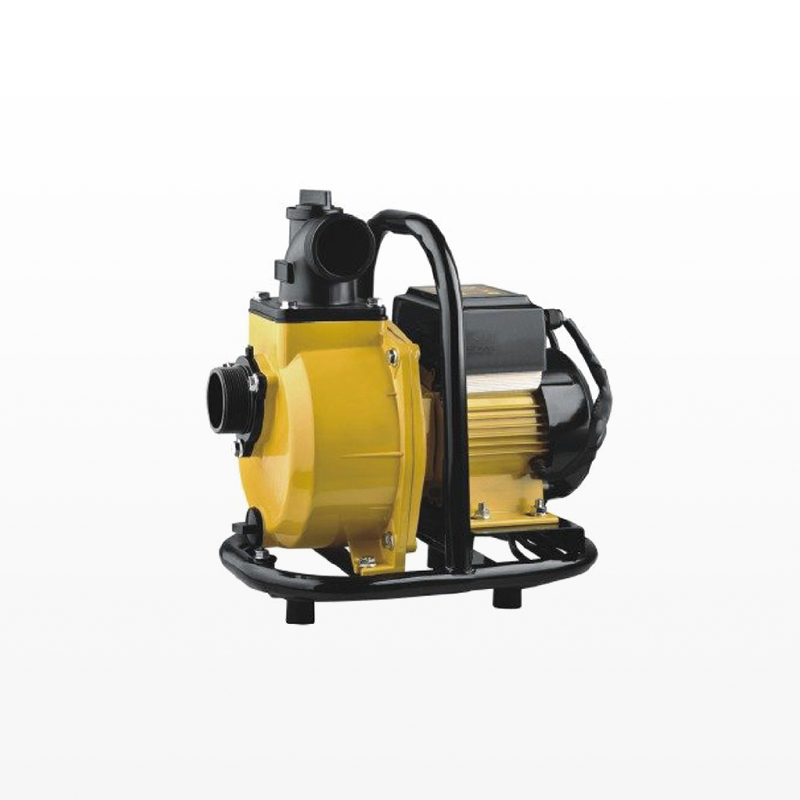
Effective maintenance divides tasks into routine checks and scheduled preventative actions. Routine tasks require basic skills. Scheduled actions often need technical oversight.
Power generation relies entirely on clean, undamaged photovoltaic cells. Reduced power directly reduces water output.
Routine Care: Perform monthly soft-washing. Remove dust, bird droppings, and accumulated leaves. This step is critical for maintaining dynamic head pressure. Dirt blocks sunlight and reduces voltage. Clean panels in the early morning to prevent thermal shock.
Scheduled Care: Conduct bi-annual structural checks. Inspect panels for micro-cracks. Check mounting rack stability against wind damage. Review surrounding vegetation. Trim new foliage to prevent shading across the array.
The electrical components act as the system's brain. Harsh environmental conditions threaten these delicate parts daily.
Routine Care: Conduct visual inspections of all electrical conduit. Look for wildlife damage or rodent chewing. Check external cables for UV degradation. Brittle plastic exposes bare wires eventually.
Scheduled Care: Perform annual torque-testing of terminal connections. Thermal expansion loosens electrical screws over time. Loose screws cause heat buildup and potential fires. Check grounding points for galvanic corrosion. Validate all enclosure waterproofing seals.
The extraction unit handles extreme physical forces. It operates submerged or under continuous pressure.
Routine Care: Monitor flow rate and pressure gauges daily. Sudden pressure drops indicate early warning signs. They suggest bearing wear or intake clogs.
Scheduled Care: Plan annual or bi-annual retrievals for submersible units. Clean all intake screens thoroughly. Inspect the sacrificial anode for depletion. Check impeller wear patterns to gauge remaining lifespan.
Different pump designs demand completely different maintenance strategies. You must tailor your protocol to the specific architecture deployed.
Deep well applications present unique challenges. High retrieval costs make preventative care absolutely paramount. Hiring a crane for extraction destroys operational budgets.
Key Maintenance Tasks:
Monitor well yield continuously to prevent dry-running.
Track static water levels during seasonal droughts.
Install physical dry-run sensor probes near the intake.
Test these sensors annually for mineral buildup or scale.
Best Practice: Never bypass dry-run protection sensors. Dry-running melts internal plastic components within minutes.
Surface pumps operate above ground. They remain fully exposed to extreme weather and varied water sources.
Key Maintenance Tasks:
Bleed the system manually after long operational pauses. This prevents vapor lock inside the chamber.
Clean foot valves regularly to stop sudden backflow.
Clear inlet strainers weekly when using open water sources. Remove trapped leaves and algae immediately.
Check pump casing seals for slow drip leaks.
Common Mistake: Ignoring a small casing leak. Small leaks introduce air into the suction line. Air disrupts priming and stops water flow.
These units utilize precision components. They require strict water quality to maintain high-velocity flows safely.
Key Maintenance Tasks:
Monitor internal filter pressure gauges daily.
Initiate backwashing sequences when pressure reads 7-10 PSI above normal.
Clear physical skimmer baskets daily. Debris causes immediate cavitation.
Inspect chemical balance to prevent rapid seal corrosion.
Environmental factors destroy pumps faster than mechanical fatigue. You must proactively manage water chemistry and physical threats.
High mineral content accelerates internal seal degradation. Calcium and silica build up like cement inside the casing. This buildup restricts water movement severely. The motor draws excess current to overcome this resistance. Higher current triggers inverter fault shutdowns.
You must schedule mild-acid or vinegar flushes every 3-5 years. These acidic washes dissolve mineral scale safely. They restore factory clearances without damaging metal components. Alternatively, utilize localized softening treatments for closed-loop systems.
Abrasive environments destroy plastic impellers rapidly. Sand acts like coarse sandpaper against spinning parts. Flow rates plummet as internal clearances widen.
Evaluators must factor sand mitigation into their initial designs. Install centrifugal sand separators above the pump intake. Always specify stainless-steel wet ends for sandy wells. A high-quality SS304 or SS316 impeller resists abrasion far better than standard thermoplastics.
Climate extremes dictate specific seasonal maintenance actions. Freezing environments threaten rigid pipe structures.
Freezing Climates: Sub-zero conditions require automated drain-back mechanisms. Water must empty from exposed pipes during power-down. Alternatively, perform seasonal extraction and compressed-air purging to prevent burst pipes.
Extreme Heat: High ambient temperatures reduce electronic efficiency. Provide structural shading for control boxes. Shading prevents inverter thermal throttling. Ensure cooling fans remain free of dust blockages.
Human and animal interference causes unexpected downtime. Vandalism, theft, and livestock damage ruin unprotected equipment.
Implement heavy lockable enclosures for all electrical controllers. Bury exterior conduit in high-risk agricultural deployments. Install robust fencing around ground-mounted solar arrays to keep cattle away. Physical protection is a critical maintenance prerequisite.
Large-scale projects require sophisticated management. You cannot rely on ad-hoc visual inspections across vast geographic regions.
Off-grid and NGO scenarios face severe personnel shortages. A massive lack of local technicians exists in rural areas. System simplicity becomes a critical evaluation criterion. You cannot dispatch specialized engineers for minor faults.
Remote diagnostics solve this geographical challenge. They allow central teams to evaluate system health remotely. You save massive travel costs by diagnosing issues before dispatching teams.
Data acts as your best virtual mechanic. Commercial deployments increasingly utilize advanced IoT controllers. These smart devices log voltage, current, pump speed, and water levels continuously.
Operators identify degradation trends through data analysis. A gradual drop in flow rate during peak sun indicates a clogged filter. Conversely, an abrupt halt suggests an electrical fault or severed wire. You transition from guessing to knowing. This intelligence prevents catastrophic hardware failures before they occur.
Large-scale projects demand structured maintenance tiering. Outline specific responsibilities to prevent overlaps and gaps.
Tier 1 (Local Operators): Handle weekly panel cleaning. Clear external debris. Report physical damage. Log basic pressure gauge readings.
Tier 2 (Contracted Technicians): Perform annual electrical audits. Conduct torque-testing. Manage firmware updates for IoT controllers. Execute deep-well retrievals.
Tier 3 (Management): Monitor remote data dashboards. Manage spare parts inventory. Schedule seasonal winterization protocols.
When evaluating a Solar Pump vendor, prioritize systems offering robust dry-run protection. Choose brushless DC motors to eliminate routine brush maintenance. Demand transparent material specifications, favoring SS304 or SS316 over basic plastics. These choices reduce future operational burdens drastically.
Your immediate next step involves proactive procurement planning. Request a standard O&M schedule from the manufacturer before purchase. Ask for a recommended spare parts list. Ensure you stock fuses, sensors, and replacement impellers locally. These actions empower you to model long-term operational expenses accurately.
A: Cleaning frequency depends entirely on your local environment. Dry, dusty agricultural areas may require bi-weekly cleaning to maintain power. Rainy regions might only need seasonal checks. Always monitor your daily output flow; a noticeable drop usually indicates dirty panels.
A: Yes, it can run dry, resulting in catastrophic internal melting and bearing failure. You prevent this by installing physical float switches inside the well. Connect these switches directly to the smart controller for automatic electronic shut-offs when water levels drop.
A: A quality controller typically lasts 5 to 15 years. Controllers usually fail before the solar panels or stainless-steel wet ends. Thermal stress, insect intrusion, or lightning strikes cause most failures. Installing robust surge protection extends their functional lifespan significantly.
A: Routine tasks like panel cleaning and strainer clearing are simple DIY operator tasks. However, annual electrical audits, terminal torque-testing, and deep-well pump retrievals generally require trained technicians to ensure safety and system integrity.