Views: 0 Author: Site Editor Publish Time: 2026-04-03 Origin: Site


Off-grid solar pumps are revolutionizing water pumping solutions, particularly in regions with limited access to grid electricity. These solar-powered pumps rely on sunlight, reducing dependence on fossil fuels and the electrical grid. With their environmental benefits and long-term cost savings, off-grid solar pumps have gained popularity for agricultural irrigation, livestock watering, and water supply for remote communities. In this article, we will explore the many advantages of off-grid solar pumps, highlighting their key benefits and the different factors that make them a compelling choice for sustainable water solutions.
An off-grid solar pump system consists of solar panels, a pump, an inverter (if necessary), and batteries for energy storage. Unlike traditional electric pumps, which are dependent on the power grid, solar pumps rely entirely on the sun’s energy to power the system. These pumps are particularly useful in areas where grid power is unreliable, unavailable, or expensive to install. Whether for irrigation, livestock watering, or providing water to remote locations, solar pumps provide an independent, reliable solution.
Solar-powered pumps can operate during the day, using solar energy, and if equipped with batteries, they can also function during the night or on cloudy days. This makes them a great option for off-grid applications where there is no access to consistent electricity.
One of the most significant advantages of off-grid solar pumps is their long-term cost-effectiveness. While the initial installation cost may be higher than traditional electric pumps, solar pumps eliminate ongoing electricity costs, making them an economically viable choice over time.
The initial investment for a solar pump typically ranges from $3,000 to $10,000 depending on the pump’s size, solar panel capacity, and installation complexity. However, once the system is set up, the ongoing operating costs are minimal. There are no electricity bills to worry about, and the maintenance requirements are relatively low, which significantly reduces the total cost of ownership over the long term.
Cost Factor | Off-Grid Solar Pump | Electric Grid Pump |
Initial Cost | $3,000 to $10,000 | $1,500 to $5,000 |
Operating Cost | Free (solar energy) | Ongoing electricity bills |
Maintenance | Low (periodic cleaning) | Higher (more frequent servicing) |
Lifespan | 20-25 years | 10-15 years |
The savings on electricity bills and reduced maintenance costs make solar pumps an attractive long-term investment. Over time, solar pumps pay for themselves through the elimination of energy expenses.
Off-grid solar pumps offer significant environmental benefits by relying on solar energy, a clean, renewable source. This makes them a much more sustainable option compared to traditional water pumps that rely on electricity from the grid or diesel-powered pumps.
Traditional electric pumps are often powered by electricity derived from fossil fuels like coal, oil, and natural gas. These energy sources contribute to pollution, greenhouse gas emissions, and other forms of environmental degradation. The operation of diesel-powered pumps has an even more immediate environmental impact, as they emit carbon dioxide (CO2) and other harmful pollutants into the atmosphere. Over time, these emissions contribute to climate change and air pollution, significantly harming the environment.
In contrast, off-grid solar pumps reduce the dependency on these harmful energy sources. Since they operate on solar energy, they don’t release any harmful emissions or pollutants. This makes them an eco-friendly alternative, helping to reduce the carbon footprint of water pumping operations. By choosing solar, users can directly contribute to the reduction of greenhouse gases in the atmosphere.
Solar energy is one of the most abundant and freely available resources on Earth. Unlike fossil fuels, which are finite and polluting, sunlight is a renewable source of energy that does not deplete natural resources. Every day, the sun provides an enormous amount of energy, which is harnessed by solar panels to power pumps. The availability of solar power is not only environmentally friendly, but it also reduces the reliance on non-renewable sources that contribute to environmental damage.
For countries or regions with ample sunlight, solar energy is a sustainable solution to meeting water pumping needs. Whether it's for irrigation, livestock watering, or providing water for rural communities, solar-powered pumps offer a continuous, reliable energy source that does not harm the environment.
Another major benefit of off-grid solar pumps is their ability to operate completely independent of the electrical grid. In many rural or remote areas, access to reliable electricity is either unavailable or intermittent. Off-grid solar pumps are designed to solve this problem by providing a self-sustaining water pumping solution that doesn't rely on external power sources.
In areas where power lines are distant or grid electricity is too expensive to bring in, solar pumps offer a practical alternative. These pumps can be installed anywhere that has access to sufficient sunlight. Whether it’s a remote farm, a small village, or an off-grid community, solar pumps can provide a reliable water supply without the need for extensive electrical infrastructure.
Building electrical infrastructure in remote areas can be prohibitively expensive. For example, running power lines or setting up a new grid connection can cost thousands of dollars and take months or even years to complete. In contrast, solar pumps can be installed quickly and without the need for expensive infrastructure. Once the solar panels are in place and the pump is connected, the system can operate for years with minimal maintenance.
For small farmers, communities, or emergency responders working in areas where traditional power sources are unavailable, off-grid solar pumps offer a solution that can drastically reduce installation and operational costs.
Many rural areas, especially in developing countries, lack access to reliable electricity or even clean water sources. For these areas, solar-powered pumps are invaluable, as they provide a sustainable way to pump water for agricultural irrigation, livestock watering, and community drinking water.
For example, a remote village with limited access to grid power can benefit greatly from an off-grid solar pump system. It provides them with a reliable source of water, all while avoiding the costs and environmental damage associated with fossil fuel-based pumping systems.
In emergency situations, such as after natural disasters, off-grid solar pumps provide an efficient, quick-response solution for supplying water to affected areas. Many disaster-stricken areas lose access to electricity, making it difficult to maintain water supplies. Solar-powered pumps can be set up quickly, enabling responders to provide immediate access to clean water.
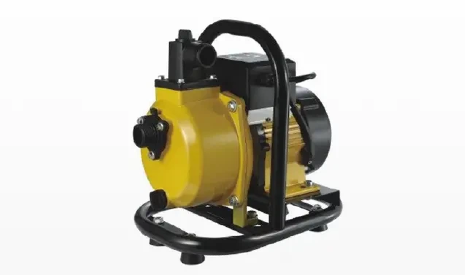
Off-grid solar pumps are versatile and can be used in a variety of applications. Whether for irrigation, livestock watering, or water supply in remote communities, solar pumps can be customized to meet the specific needs of each user.
Agricultural Irrigation: Solar pumps are ideal for irrigation in farms, particularly in remote areas where access to electricity is limited. They can be used for drip irrigation, sprinkler systems, or flood irrigation.
Livestock Watering: Farmers with large herds can use solar pumps to provide consistent water supply to their animals, ensuring they stay hydrated.
Rural Communities: In remote villages or communities without access to grid power, solar pumps provide a sustainable water supply, reducing dependence on bottled water or fuel-powered pumps.
The flexibility of solar pumps makes them suitable for a wide range of needs, from farming to emergency water supply.
Off-grid solar pumps are designed for durability and reliability, even in harsh weather conditions. The key components—solar panels and pump motors—are built to last for many years, ensuring long-term operation with minimal maintenance.
Solar Panels: High-quality solar panels typically last 20-25 years, with little degradation in performance over time. Choosing durable solar panels ensures the system continues to operate efficiently for many years.
Pump Motors: Many off-grid solar pumps use permanent magnet motors, which are known for their efficiency and long lifespan. These motors require less maintenance and are more reliable than traditional electric motors.
The durability of off-grid solar pumps means that they can provide years of reliable service, reducing the need for frequent repairs or replacements.
Off-grid solar pumps offer a range of benefits that make them an ideal choice for water pumping in remote areas, farms, and rural communities. Their cost-effectiveness, low operating costs, environmental benefits, and independence from the grid make them a sustainable and reliable water solution. Although they require a higher initial investment compared to traditional pumps, the long-term savings and reduced reliance on electricity make off-grid solar pumps a wise investment.
For those interested in exploring solar pump solutions or learning more about the advantages of off-grid solar systems, Zhejiang Eiiman Zhihui Technology Co., Ltd. offers a range of high-efficiency solar pumps tailored to various water pumping needs.
Q: How do off-grid solar pumps operate?
A: Off-grid solar pumps operate by converting solar energy into electricity, which powers the pump motor to move water from a source to the irrigation or water supply system. These pumps do not require electricity from the grid.
Q: What are the main advantages of using an off-grid solar pump?
A: Off-grid solar pumps are cost-effective, environmentally friendly, and ideal for areas without access to grid power. They eliminate electricity bills, reduce carbon footprints, and require minimal maintenance.
Q: How long do off-grid solar pumps last?
A: Off-grid solar pumps can last up to 20-25 years, with solar panels typically lasting 20-25 years and pump motors lasting 10-15 years, depending on the quality and maintenance.
Q: Can off-grid solar pumps be used for large-scale irrigation?
A: Yes, off-grid solar pumps can be used for large-scale irrigation. By properly sizing the pump and solar panel array, these systems can efficiently irrigate large agricultural fields.