Views: 0 Author: Site Editor Publish Time: 2026-03-27 Origin: Site


Water pumping systems are essential for various applications, from agricultural irrigation to residential water supply, livestock hydration, industrial processes, and landscape maintenance. Traditionally, electric grid pumps have dominated the market due to their reliability, ease of installation, and consistent access to power. However, with the growing focus on sustainability and renewable energy, solar pumps have emerged as a viable alternative, offering numerous advantages in both cost and environmental impact.
In this comprehensive guide, we will compare solar pumps and electric grid pumps in terms of cost, installation, maintenance, efficiency, and their broader implications for businesses and sustainability. We will also highlight solar pump systems offered by Zhejiang Eiiman Zhihui Technology Co., Ltd., a leader in high-efficiency permanent magnet pump technology.
A solar pump is a water pumping solution powered by solar energy, which is captured through photovoltaic (PV) panels. These panels convert sunlight into DC electricity, which is used to power the pump motor. Many systems also include smart controllers and variable frequency drives (VFDs) to maximize the efficiency of the system. Unlike electric grid pumps, solar pumps operate independently of traditional electricity infrastructure, relying entirely on solar energy.
Solar pumps are becoming increasingly popular, especially for remote or off-grid applications such as agricultural irrigation, livestock water supply, water features for landscaping, and pond circulation. These systems eliminate the need for grid electricity, significantly reducing operational costs and minimizing environmental impact.
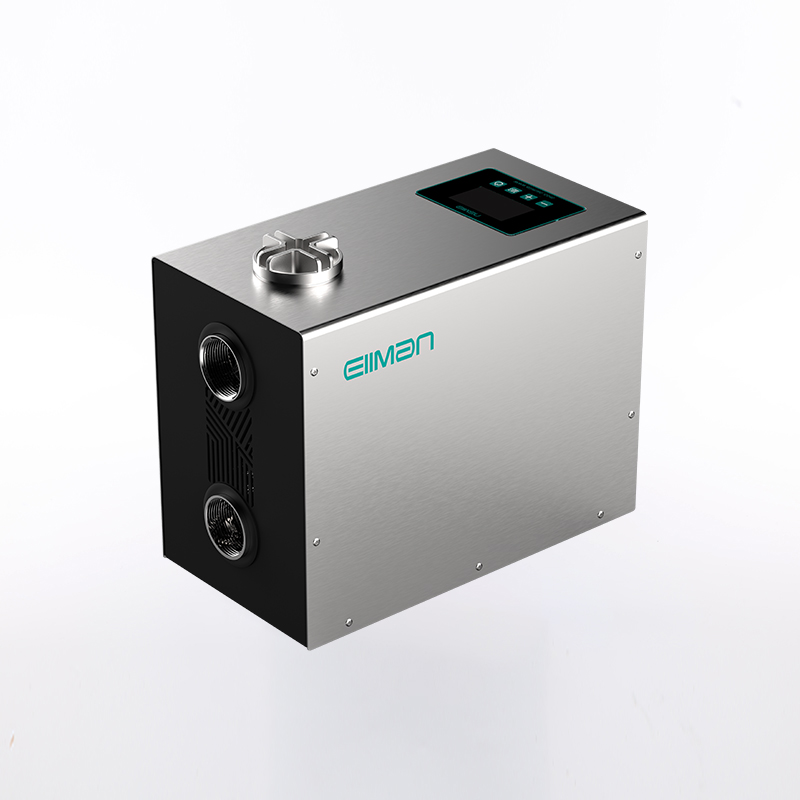
Zhejiang Eiiman Zhihui’s solar pump systems are designed with high efficiency and easy scalability, making them suitable for a wide range of applications from small garden fountains to large-scale agricultural irrigation.
Electric grid pumps run on electricity supplied by the local power grid. They are commonly used in urban and industrial settings where access to reliable electricity is not a concern. Electric pumps are powered by an electric motor, which drives the pump, and they require electrical connections, wiring, and protection devices.
While electric grid pumps are often more affordable in terms of initial setup, particularly in areas with reliable access to the grid, their operational costs can quickly add up over time due to electricity consumption. Additionally, electric pumps depend on the stability and availability of the power grid, which may be unreliable in remote or rural areas.
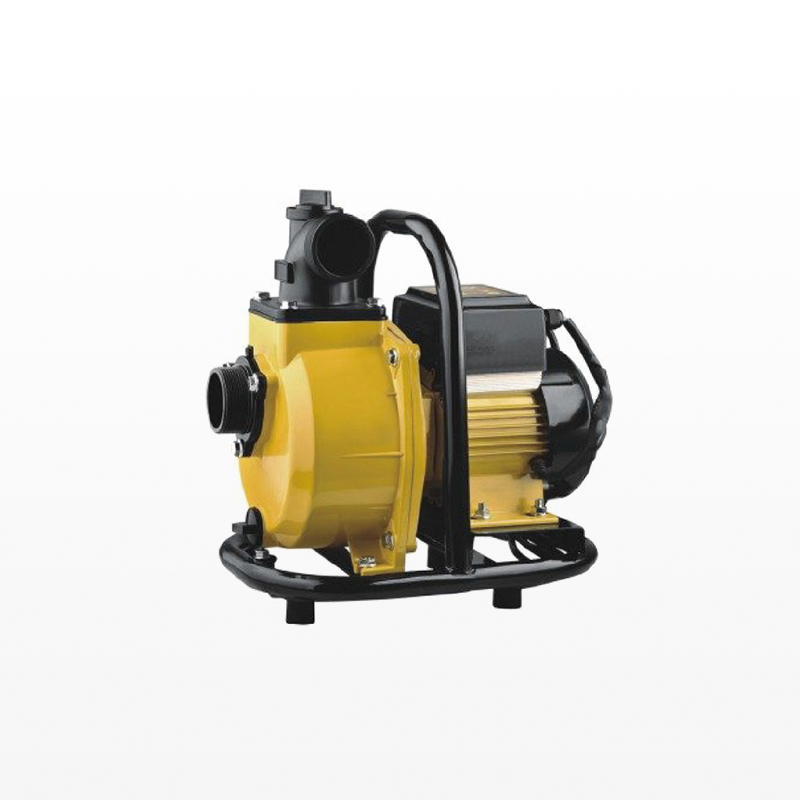
One of the most significant factors when choosing between solar pumps and electric grid pumps is the initial installation cost. Here's how the two options compare:
Solar pumps, while offering substantial long-term savings, generally come with a higher initial installation cost. The cost components include:
Solar Panels: The system requires enough solar panels to meet the power needs of the pump, which can vary depending on the size and type of pump.
Inverter: The inverter converts the DC power generated by the solar panels into AC power, which is used by the pump motor.
Batteries (Optional): If energy storage is needed, batteries can be added to ensure the system operates even during cloudy weather or at night. This adds an extra cost.
For a medium-sized solar pump system, the installation cost typically ranges from $3,000 to $10,000, depending on the size and complexity of the system.
Electric grid pumps are generally more affordable to install, as they do not require solar panels, inverters, or batteries. The installation involves:
Pump Unit and Motor: The pump and its motor are connected to the electrical system.
Wiring and Protection: Electrical wiring and necessary protection devices like circuit breakers are installed.
For electric grid pumps, the installation cost typically ranges from $1,500 to $5,000, depending on the system's power requirements and setup.
After installation, the operating costs become the primary factor in the long-term cost analysis of solar and electric grid pumps.
Energy Costs: Solar pumps harness free energy from the sun, meaning there are no ongoing electricity costs.
Maintenance: The maintenance costs of solar pumps are minimal, primarily involving periodic cleaning of the solar panels and occasional system inspections.
Battery Replacement: If the system includes batteries, they will need to be replaced every 5 to 10 years, which can add to the ongoing cost.
The operating costs of solar pumps are significantly lower than electric grid pumps, with typical maintenance costs ranging from $100 to $300 per year.
Electricity Bills: Electric grid pumps require electricity to operate, and the cost of running the pump depends on the local electricity rates and the frequency of use. On average, running an electric grid pump can cost between $200 and $2,000 per year.
Maintenance: Electric pumps require more frequent maintenance, which can cost between $200 and $500 per year, depending on the system.
While the initial installation cost for electric grid pumps is lower, their operating and maintenance costs can add up quickly over time, making them more expensive in the long run.
To truly understand the cost effectiveness of solar pumps versus electric grid pumps, we need to look at the total cost of ownership over a longer period, such as 20 years.
Cost Component |
Estimated Value |
Initial Solar System Cost |
$5,000 |
Lifetime Electricity Cost |
$0 |
Maintenance Costs |
$200 per year |
Battery Replacement (once in 10 years) |
$1,000 |
Total 20-Year Cost = $5,000 (initial) + $200 * 20 (maintenance) + $1,000 (battery replacement) = $9,000
Cost Component |
Estimated Value |
Initial Pump Installation |
$3,000 |
Lifetime Electricity Cost |
$20,000 |
Maintenance Costs |
$300 per year |
Total 20-Year Cost = $3,000 (initial) + $20,000 (electricity) + $300 * 20 (maintenance) = $15,000
In addition to the cost benefits, solar pumps offer several other advantages over electric grid pumps:
Solar pumps are powered by renewable energy, which means they help reduce greenhouse gas emissions and contribute to global sustainability goals. They are a green solution compared to electric grid pumps, which are typically powered by fossil fuels.
Solar pumps are ideal for remote or off-grid locations where electricity may not be available or reliable. They provide a reliable water supply without the need for expensive infrastructure and power connections.
Solar pumps can be used in a variety of applications, from small-scale garden irrigation to large agricultural systems. Their ability to scale up or down based on needs makes them an ideal choice for diverse users.
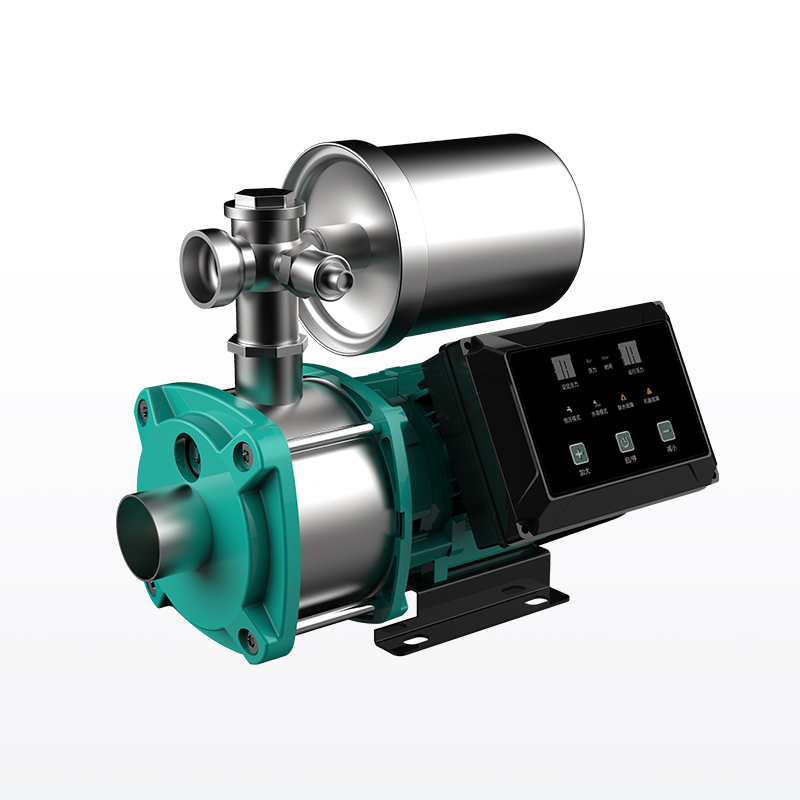
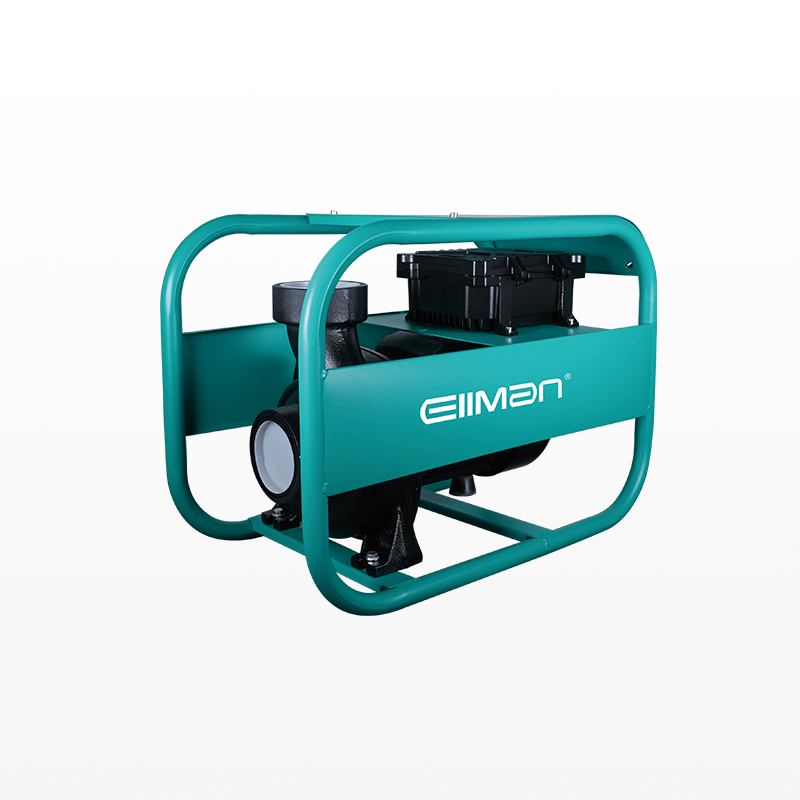
Zhejiang Eiiman Zhihui Technology Co., Ltd. has become a recognized leader in the field of solar pump technology, offering a range of permanent magnet solar pumps designed for high efficiency and reliability.
The company’s pumps use permanent magnet motors, which are more efficient than traditional induction motors. These motors result in higher energy conversion, allowing for greater water output per unit of solar energy captured.
Zhejiang Eiiman Zhihui offers a broad range of solar pumps that cater to various needs, from small garden setups to large agricultural irrigation systems. Their pumps are designed to meet the power needs of diverse applications, offering flexibility and reliability.
As a high-tech enterprise, the company places a strong emphasis on research and development. Their solar pumps incorporate advanced features like maximum power point tracking (MPPT) controllers, ensuring efficient use of solar energy even under fluctuating sunlight conditions.
When comparing solar pumps and electric grid pumps, solar pumps generally offer greater long-term savings, lower operating costs, and a smaller environmental impact. While electric grid pumps may be more affordable to install initially, solar pumps deliver significant cost savings over time due to zero energy bills and minimal maintenance costs.
For those looking for a sustainable, cost-effective water pumping solution, solar pumps — particularly those offered by Zhejiang Eiiman Zhihui Technology Co., Ltd. — represent an excellent investment.
Q: Are solar pumps suitable for large agricultural irrigation?
A: Yes, modern solar pumps, including those offered by Zhejiang Eiiman Zhihui, are capable of handling large-scale irrigation needs efficiently.
Q: Can solar pumps operate without batteries?
A: Yes, solar pumps can operate directly from sunlight during the day. Batteries are optional and only required for backup during cloudy days or nighttime.
Q: How much maintenance do solar pumps require?
A: Solar pumps require minimal maintenance, primarily involving periodic cleaning of the solar panels and occasional system checks.
Q: What makes permanent magnet solar pumps more efficient?
A: Permanent magnet motors are more efficient in converting solar energy into mechanical energy, providing more water output with less energy consumption.