Views: 0 Author: Site Editor Publish Time: 2026-04-06 Origin: Site


In today’s world, solar energy is becoming an increasingly popular and sustainable way to power various systems. Among the many solar applications, solar pump kits are an effective and eco-friendly solution for water pumping needs. Whether you’re looking to irrigate crops, water livestock, or power a small water feature in your garden, a solar pump kit provides a reliable, renewable source of energy that doesn’t depend on the grid.
This guide is designed for beginners who are considering installing a solar pump kit for the first time. We’ll cover everything from understanding how solar pump kits work to selecting the right components and the steps involved in installation.
A solar pump kit is a complete system designed to pump water using solar energy. It includes a solar panel, a pump, and all the necessary components to connect them, such as an inverter, controller, and wiring. The solar panel captures sunlight and converts it into electricity, which powers the pump motor to move water from a source to the desired location.
Solar pump kits are used in a variety of applications, including agricultural irrigation, garden irrigation, livestock watering, and even in remote locations where access to the electrical grid is unavailable. These kits are designed to be easy to install, especially for those without access to grid electricity, providing a reliable and cost-effective water pumping solution.
At the core of any solar pump kit is the solar panel. The solar panel collects sunlight and converts it into electrical energy through photovoltaic (PV) cells. This electricity is then used to power the pump motor. The motor drives the pump, which moves water from the source to the intended location, whether it’s a field, water tank, or irrigation system.
Solar Panel: The panel captures sunlight and converts it into electrical energy.
Pump: The pump is powered by electricity from the solar panel, allowing it to move water.
Inverter (optional): Some systems include an inverter to convert the direct current (DC) electricity generated by the solar panels into alternating current (AC) for the pump motor.
Controller: A controller manages the system's power distribution, ensuring the pump runs efficiently and that the battery (if included) is charged properly.
Batteries (optional): Some solar pump kits come with batteries to store excess solar energy for use during cloudy days or nighttime.
In a solar pump kit, the panels are connected to the pump via the controller, and in some cases, the system also includes a battery bank to store excess energy for times when sunlight is insufficient. The controller regulates how much energy is being used, ensuring optimal performance of the pump throughout the day.
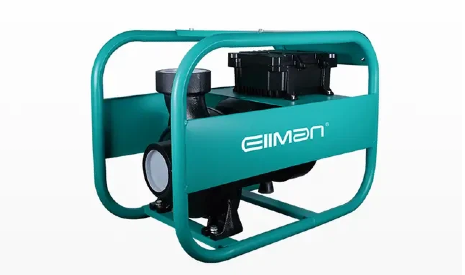
One of the major advantages of solar pump kits is the low operational cost. Once installed, solar pump kits require minimal maintenance and operate on free solar energy, eliminating electricity bills that traditional electric pumps would require. The initial installation cost can be higher than conventional pumps, but the savings in electricity costs and reduced maintenance make solar pumps a cost-effective long-term solution.
Solar pump kits are a sustainable and eco-friendly alternative to fossil fuel-powered pumps. They reduce carbon emissions by harnessing renewable energy from the sun rather than relying on diesel or electricity from the grid. By using a solar pump, you’re helping to reduce your carbon footprint and supporting efforts to mitigate climate change.
Solar pump kits are perfect for off-grid locations. In areas where grid electricity is unavailable or unreliable, solar pumps provide a self-sufficient solution. These systems can be installed anywhere with adequate sunlight, making them ideal for remote agricultural areas, rural farms, or emergency situations where traditional electricity is not an option.
Compared to diesel-powered or electric pumps, solar pumps require much less maintenance. The major upkeep involves cleaning the solar panels to remove dirt or debris and ensuring the pump is functioning properly. With fewer moving parts, solar pumps are more reliable and less prone to breakdowns, reducing the frequency and cost of repairs.
Choosing the right solar pump kit depends on a variety of factors, from the size of the area you need to irrigate to the water depth and flow rate required. Here are some key considerations when selecting a solar pump kit for your needs:
The water source is a primary consideration when selecting a solar pump kit. If you are drawing water from a shallow pond or river, a surface pump will suffice. However, if you need to pump water from a deep well, a submersible pump will be necessary. Make sure the pump you choose is rated for the depth of your water source.
You need to know how much water your irrigation system requires and what kind of flow rate you need. Solar pumps have different flow rates, and choosing the right one will ensure that the pump can deliver enough water to meet your needs. Additionally, consider the pressure requirements of your irrigation system. Some systems, such as sprinkler systems, require higher pressure, while others, like drip irrigation, need lower pressure.
The size and efficiency of the solar panels in the kit are essential for the pump’s performance. Larger pumps require larger solar panel arrays to generate the necessary electricity to power the pump. Make sure the solar panels are sized correctly for the pump's capacity, ensuring efficient operation.
Component | Small-Scale Application | Large-Scale Application |
Solar Panel Size | 100W to 300W | 1kW to 3kW |
Pump Flow Rate | 1-10 GPM | 10-50 GPM |
Water Depth | Shallow (Up to 30 feet) | Deep (Up to 100 feet) |
Pump Type | Surface Pump | Submersible Pump |
For off-grid applications, you may want to consider a solar pump kit with a battery storage system. This will allow you to store excess energy during the day for use at night or during cloudy periods. While not all solar pump kits require batteries, they can be useful in areas with inconsistent sunlight or where continuous water pumping is needed.
Installing a solar pump kit is relatively straightforward, especially for those who have some experience with solar systems. Here’s an overview of the basic installation process:
The first step in installation is selecting the right site for the solar panels and the pump. Ensure that the solar panels are installed in a location where they will receive maximum sunlight exposure throughout the day.
Once you have identified the best location for your solar panels, mount them securely. The panels should be angled to maximize solar exposure, depending on your geographic location. Use brackets and mounting hardware to secure the panels to a stable surface such as a roof or pole mount.
After mounting the panels, connect the wiring from the solar panel to the pump controller. If your system includes an inverter and batteries, ensure that these components are also properly connected to the system to handle power distribution and energy storage.
Once everything is connected, test the system to ensure that the pump is receiving power from the solar panels and operating at the desired flow rate. Check that the system is working smoothly and that there are no issues with the wiring or components.
Solar pump kits are an excellent solution for those looking to reduce their dependence on grid electricity and switch to a more sustainable and cost-effective method of water pumping. With low maintenance requirements, minimal operating costs, and the ability to operate in remote areas, solar pump kits provide a reliable and environmentally friendly option for agricultural and other water pumping needs.
By selecting the right solar pump kit based on your water source, flow rate, and pressure requirements, you can ensure that your system will perform optimally and efficiently. If you’re interested in exploring solar pump solutions for your needs, Zhejiang Eiiman Zhihui Technology Co., Ltd. offers high-quality solar pump kits that are reliable, efficient, and designed to meet a variety of water pumping needs.
Q: What is the primary difference between surface pumps and submersible pumps?
A: Surface pumps are used for shallow water sources and are placed above the water level, while submersible pumps are designed for deep wells and are placed underwater to lift water.
Q: How much sunlight do I need for a solar pump to work effectively?
A: Solar pumps work best with at least 4-6 hours of direct sunlight per day. Ensure that the solar panels are installed in a location with ample sun exposure.
Q: Can I install a solar pump kit myself?
A: Yes, solar pump kits are generally easy to install, especially for those with basic knowledge of solar systems. However, for more complex setups, professional installation may be required.
Q: How do I maintain my solar pump system?
A: Regular maintenance involves cleaning the solar panels to remove dirt or debris and checking the pump for any issues. Additionally, periodically check the system’s components for wear and tear.