Views: 0 Author: Site Editor Publish Time: 2026-09-17 Origin: Site


For facility managers, industrial engineers, and homeowners alike, skyrocketing electricity bills and the hidden maintenance costs of inefficient water infrastructure share a common theme: they are a constant, growing pain point. Water systems act as the absolute lifeblood of residential complexes and manufacturing plants. Yet, despite their critical role, they remain one of the most frequently ignored sources of energy waste today.
Walk into almost any mechanical room, and a familiar debate surfaces whenever it is time to replace a fluid management system. Should you stick with a cheaper, standard fixed-speed setup? Or is it financially prudent to upgrade to modern variable frequency technology? From a procurement standpoint, the upfront purchase costs of these two options differ significantly. However, evaluating industrial equipment solely by glancing at the initial price tag is a fundamentally flawed engineering approach.
The definitive answer to which system is actually more economical lies in Life Cycle Costing (LCC). This is a comprehensive metric that encompasses the initial capital investment, daily power draw, and long-term maintenance requirements. In this guide, we will break down the exact performance disparities, mechanical mechanics, and energy consumption profiles. By looking at the long-term return on investment (ROI), you can make an objective, data-driven decision for your facility.
Energy Efficiency: Advanced variable frequency systems can slash energy consumption by 30% to 50% compared to standard fixed-speed models, depending heavily on the application's load profile.
Cost vs. ROI: While a traditional setup demands a lower initial capital expenditure, the return on investment for variable frequency technology is typically realized within 12 to 36 months through direct utility savings.
System Longevity: Modern drives utilize "soft start" technology. This drastically reduces electrical spikes and mechanical torque stress, directly extending the operational lifespan of the entire plumbing infrastructure.
Consistent Experience: Upgrading provides a massive operational advantage: eliminating frustrating pressure drops. You ensure stable flow even when multiple outlets demand water simultaneously.
To accurately assess long-term cost savings, we must first look under the hood. Understanding the fundamental mechanical and operational differences between the two primary technologies dominating the market is essential.
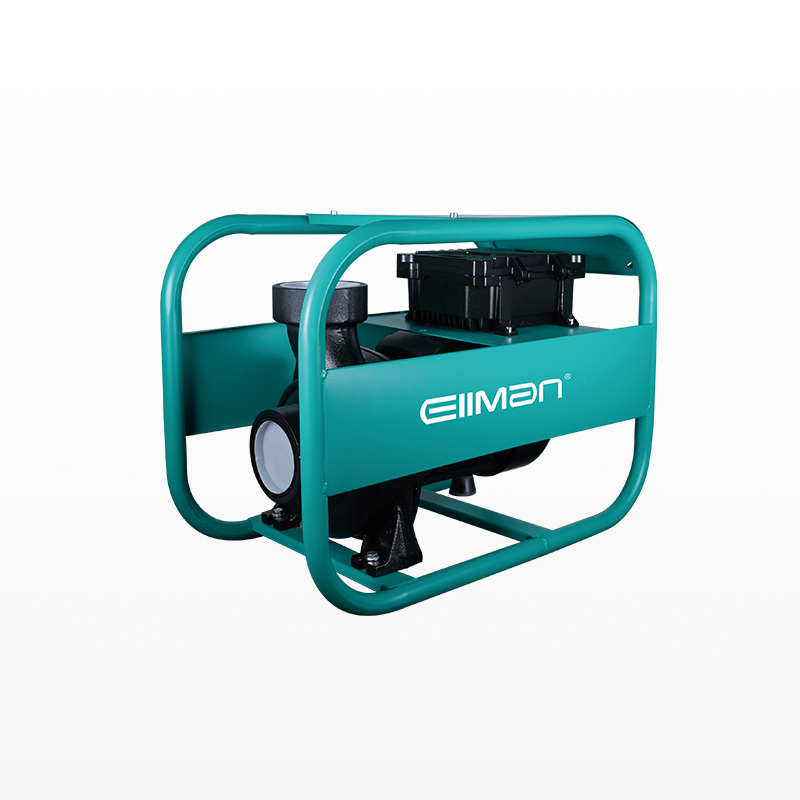
Standard systems operate on a very simple, binary mechanism. They are either running completely on, or they are completely off. These fixed-speed units utilize standard asynchronous induction motors that draw a consistent, maximum amount of electrical current whenever activated by a pressure switch. Because they completely lack the ability to modulate their speed, a traditional water pump always runs at 100% capacity.
Think about the real-world implications of this. If your facility only requires a fraction of the maximum water volume to fill a small process tank or run a single faucet, the motor still grinds away at full speed. The excess pressure is typically managed by mechanical valves that artificially restrict the flow. This creates a highly inefficient scenario where you pay for electrical energy to generate pressure that is immediately choked off and wasted.
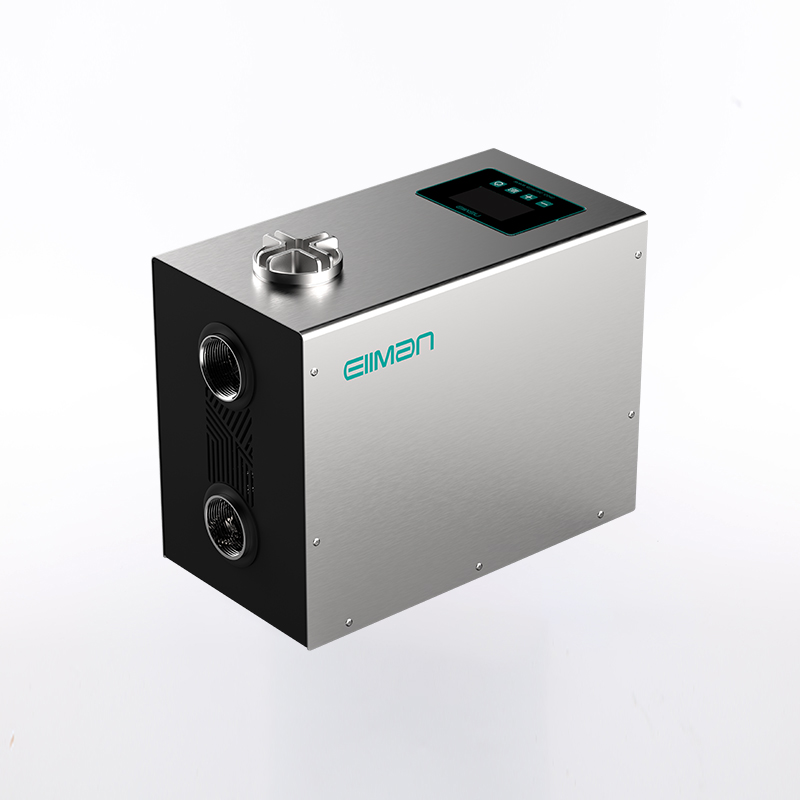
This modern alternative merges two distinct technological advancements to solve the glaring inefficiencies of older models. First, it utilizes a motor built with rare-earth permanent magnets rather than relying on electrical induction to create a magnetic field. Second, it integrates a Variable Frequency Drive (VFD).
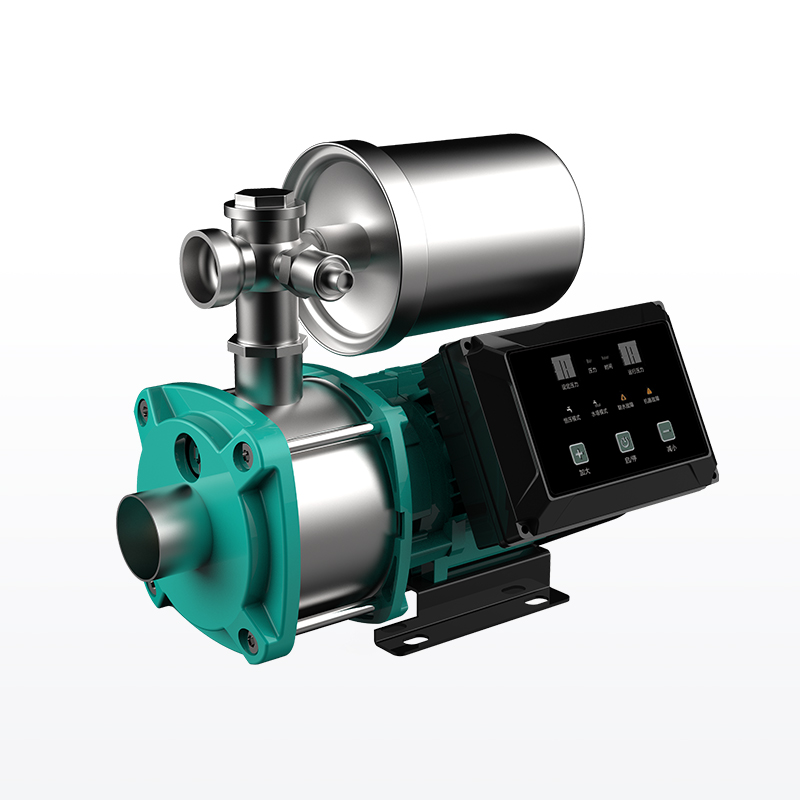
Together, they form an highly intelligent permanent magnet motor pump that continuously monitors the actual water demand in the pipeline via pressure transducers. Instead of running at full blast, the drive adjusts the electrical frequency supplied to the motor in real-time. If the system demand drops by half, the motor spins only as fast as necessary to meet that exact flow requirement. This fundamentally transforms how power is consumed on the factory floor or in a residential basement.
When evaluating equipment for heavy industrial processing or demanding residential use, performance metrics directly correlate to operational costs. The structural differences between these machines translate directly into measurable efficiency.
Standard asynchronous motors require a substantial portion of their incoming electrical energy simply to induce a magnetic field in the rotor. This induction process generates significant electrical resistance, mechanical friction, and heat loss. Essentially, you are paying for electricity that dissipates as useless heat in the mechanical room rather than moving water through your pipes.
In contrast, synchronous motors have magnetic fields inherently present due to the physical magnets embedded within the rotor. This eliminates the need for rotor induction current, drastically reducing friction and thermal waste. The result is an inherently superior energy-efficient pump. In fact, many of these modern units easily exceed IE4 or even IE5 premium industrial efficiency standards right out of the box.
The rigid on/off cycle of a fixed-speed system frequently causes "water hammer." This is a violent hydraulic shockwave that occurs when massive volumes of water are suddenly forced through or halted within the piping network. Beyond the loud, annoying banging noises, this causes severe pressure fluctuations depending on how many valves are currently open.
By dynamically modulating the motor RPM to match real-time demand, the variable frequency alternative completely bypasses these hydraulic issues. It acts as a highly accurate constant pressure water pump. Imagine a large hotel during the morning shower rush. Even as dozens of guests turn on their fixtures simultaneously, the intelligent drive smoothly ramps up the motor to maintain the exact set pressure—without any noticeable drops or pipe-rattling shocks.
The core of the debate between these two technologies lies in the numbers. To uncover the true financial winner, we must look past the initial purchase receipt and analyze the total cost of ownership over a typical 5 to 10-year lifespan.
From an engineering and procurement standpoint, it is a fact that advanced pumping systems carry a higher initial price tag. The inclusion of rare-earth materials, sophisticated microprocessors, and sensitive sensor arrays means these units can cost 30% to 50% more upfront than comparable standard induction models. For buyers strictly limited by immediate capital expenditure budgets, the traditional setup appears more attractive on day one. However, stopping your financial analysis here is a costly mistake.
The true financial advantage of variable frequency technology is governed by the Affinity Laws of centrifugal pumps. These laws dictate the critical relationship between motor speed and power consumption. Specifically, the power required varies with the cube of the pump speed.
In practical field terms, if you reduce the motor speed by just 20% to meet a lower demand, the power required drops to approximately 51% of its maximum draw. If you reduce the speed by 50%, power consumption plummets to a staggering 12.5%. Because standard systems cannot reduce their speed, they always consume 100% power. A well-calibrated VFD water pump leverages these Affinity Laws to translate reduced water demand into massive, exponential reductions in electrical consumption. This yields monthly utility bill savings that rapidly offset the higher initial purchase price.
In industrial engineering, the Life Cycle Cost of a fluid management system is generally broken down into three distinct categories: initial purchase price (roughly 10%), maintenance and repairs (10% to 15%), and energy consumption (75% to 80%).
Even if a standard system is vastly cheaper to buy, it maximizes the massive 80% energy portion of the LCC. Furthermore, the constant hard starting and stopping increase wear on bearings and mechanical seals, driving up unexpected maintenance costs. When calculated over a standard operational lifespan, the variable frequency system is mathematically proven to offer a significantly lower total cost of ownership.
Cost Category | Traditional Fixed-Speed System | Permanent Magnet VFD System |
|---|---|---|
Initial Purchase Price | Lower (Baseline) | +30% to 50% Higher |
Annual Energy Cost | 100% (Maximum Draw) | 50% to 70% (Demand-Based) |
Mechanical Wear & Tear | High (Hard starts/stops) | Low (Soft start technology) |
Maintenance Frequency | Moderate to High | Low |
5-Year Total Cost (LCC) | Significantly Higher | Significantly Lower |
Recent market analyses and global engineering reports reveal a decisive shift in fluid management technology across both commercial and residential sectors. Driven by increasingly stringent global energy regulations (such as the EU's ErP directive and US DOE standards) and corporate sustainability targets (ESG), industries are rapidly phasing out fixed-speed induction motors.
The prevailing trend indicates a massive migration toward IE5-rated synchronous motors coupled with intelligent drives. This transition isn't merely about ticking environmental compliance boxes. It is a highly strategic move to insulate facilities against volatile energy markets and rising grid costs. As smart grid integration and automated building management systems become the standard, equipment that can dynamically adjust to load profiles is no longer viewed as a premium luxury upgrade. Instead, these intelligent systems are now considered essential baseline infrastructure for any forward-thinking facility looking to future-proof its operations.
While the reduction in kilowatt-hours is the most visible financial benefit, upgrading to advanced technology provides secondary financial advantages that are frequently overlooked during the procurement process.
When a standard motor activates, it draws an "inrush current" that can be up to six times higher than its normal operating current. This sudden electrical surge generates immense heat and violent mechanical torque, stressing the motor windings, bearings, and the attached piping infrastructure. Modern drives utilize a "soft start" protocol. They gradually ramp up the electrical frequency and voltage, allowing the motor to accelerate smoothly over several seconds. By eliminating electrical surges and mechanical shocks, the operational lifespan of the equipment is significantly extended, delaying the need for costly replacements.
Traditional setups often over-pressurize plumbing networks. This constant, high-level pressure puts immense strain on pipe joints, valves, and seals, eventually leading to micro-leaks or catastrophic pipe bursts. Because an intelligent drive operates as a highly regulated system, it never subjects the plumbing infrastructure to unnecessary stress. By maintaining pressure at a safe, optimized level, it actively protects the integrity of the piping network, saving thousands of dollars in potential water damage remediation.
The speed at which a high-efficiency system pays for itself depends heavily on the specific application. Simply put, the more variable the water demand, the faster your return on investment.
In commercial settings such as HVAC cooling towers, chemical processing plants, municipal water treatment, and agricultural irrigation, water demand fluctuates wildly based on production schedules, weather conditions, and the time of day. Using fixed-speed equipment in these environments results in staggering energy waste. Implementing variable frequency technology in these high-volume, continuous-duty applications yields the fastest ROI. In many industrial scenarios, the energy savings can cover the cost of the upgrade in less than 18 months.
For homeowners, the financial scale is smaller, but the proportional benefits remain substantial. Home well systems and swimming pool filtration setups are prime candidates for this technology. Standard pool filters run at high speeds for hours, consuming vast amounts of electricity. A variable speed alternative can circulate the same volume of water at a lower speed over a longer period, drastically cutting energy costs. Additionally, homeowners highly value the acoustic benefits; these synchronous motors operate much more quietly than their traditional counterparts.
Selecting the correct equipment requires careful evaluation of your specific plumbing infrastructure and operational requirements. Oversizing or undersizing the unit can negate the efficiency benefits entirely. Here is a practical engineer's checklist for selection:
First, accurately determine your required flow rate, typically measured in Gallons Per Minute (GPM) or Liters Per Minute (LPM), and your required pressure, measured in Total Dynamic Head (TDH) or PSI. While intelligent systems adapt to demand, they must still be properly sized to handle your facility's absolute peak requirements without struggling.
Second, look at the material and build quality. For industrial applications or potable water, specify systems utilizing 304 or 316 Stainless Steel (similar to the robust YC-400 industrial series) to prevent corrosion and ensure longevity.
Finally, prioritize reputable manufacturers that utilize high-grade rare-earth materials and industrial-quality controllers. The quality of the microprocessor directly impacts how smoothly the system responds to pressure changes. Look for options that offer intuitive LCD control interfaces, built-in protection against dry-running, and voltage spike safeguards. Proper sizing and quality selection ensure that the theoretical savings calculated during procurement become a verified reality on your utility bills.
While a standard fixed-speed unit might look like a bargain on day one, it operates as a hidden tax on your monthly utility bills and maintenance budget. Upgrading to a modern permanent magnet variable frequency system fundamentally changes this dynamic.
By leveraging intelligent speed modulation and frictionless motor design, you save money through drastically lower energy consumption and reduced mechanical wear. Over a typical operational timeline, the advanced system pays for itself and then continues to generate substantial savings year after year. Stop wasting capital on inefficient infrastructure and high utility bills.
Ready to upgrade your fluid management system? Evaluate your specific flow and pressure requirements, and choose a smart, adaptable solution. For industry-leading, energy-efficient configurations tailored to both heavy industrial and residential needs, explore the advanced product lineups at www.eiiman.com to find the perfect match for your facility.
Generally, these advanced systems save between 30% to 50% on energy costs compared to standard fixed-speed models. The exact savings depend heavily on your daily usage patterns and how often the system runs at partial load rather than full capacity.
While the electronic drive components can be pricey to replace if they fail, the overall system requires far less maintenance over its lifespan. The integrated "soft start" feature drastically reduces the physical wear and tear on both the motor bearings and the connected piping infrastructure, resulting in fewer breakdowns.
Yes. In fact, providing stable pressure is one of its primary engineering benefits. The drive automatically adjusts the motor's RPM in real-time to ensure water pressure remains perfectly constant, even when multiple fixtures, showers, or industrial valves are opened simultaneously.
Depending on local electricity rates, the size of the motor, and daily operating hours, the payback period (ROI) typically ranges from 12 to 36 months. High-usage commercial and industrial applications usually see the fastest return on investment due to the sheer volume of energy conserved.
When properly sized and maintained, a high-quality PM VFD pump can easily last 10 to 15 years. The elimination of extreme heat from induction, combined with soft-start technology that prevents mechanical shock, significantly extends the life of the motor bearings and seals compared to traditional models.
In most retrofit scenarios, no major plumbing overhauls are required. These systems are designed to integrate seamlessly into existing pipe networks. However, because they rely on precise pressure transducers to regulate speed, ensuring that the sensor is installed correctly on the discharge line is critical for optimal performance.