Views: 0 Author: Site Editor Publish Time: 2026-02-10 Origin: Site


The global shift towards renewable energy has made solar pumps a popular and sustainable solution for water pumping needs. These pumps utilize solar energy to operate, making them an eco-friendly, cost-effective alternative to traditional electric or fuel-powered pumps. Solar pumps are used in various applications, including irrigation, residential water supply, environmental conservation, and industrial processes.
This article will explore the different types of solar pumps, how they work, their applications, advantages, and the factors you should consider when choosing a solar pump. By the end of this article, you will have a clear understanding of the various types of solar pumps and their specific uses.
A solar pump is a water pump powered by solar energy. The energy captured by solar panels is converted into electricity, which powers the pump motor. Unlike traditional pumps that rely on grid electricity or fuel, solar pumps operate independently, making them ideal for off-grid locations or areas with unreliable power supplies.
There are several types of solar pumps, each designed for specific applications and environments. These include solar water pumps, solar submersible pumps, solar fountain pumps, solar pond pumps, and solar surface pumps.
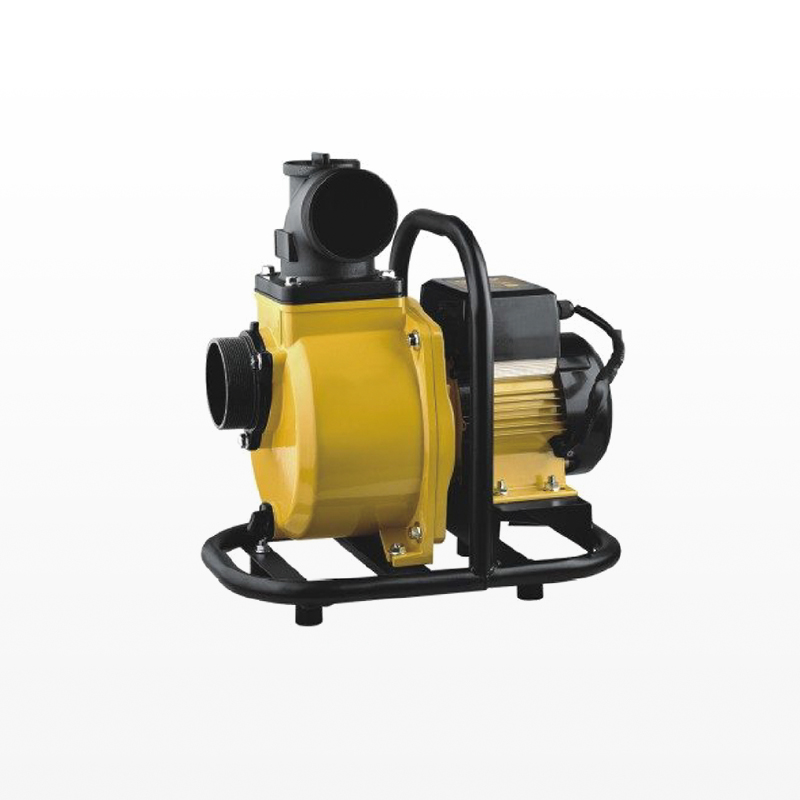
The basic working principle of a solar pump is quite simple. Solar panels capture sunlight and convert it into electricity. This electricity is then used to power the pump's motor, which moves water from one location to another. Some solar pumps are equipped with batteries to store excess energy generated during the day, ensuring the system continues to operate during cloudy days or at night.
The solar pump system generally consists of the following components:
Solar panels: These capture sunlight and convert it into electrical energy.
Pump motor: This is powered by the electricity from the solar panels.
Controller: The controller regulates the power flow, ensuring the pump operates efficiently.
Now that we understand the general operation of a solar pump, let’s take a closer look at the different types.
Solar water pumps are one of the most commonly used types of solar pumps. They are primarily used for water pumping in agricultural, residential, and industrial applications. These pumps are designed to lift water from wells, rivers, lakes, or other water sources and deliver it to where it’s needed, such as irrigation systems, domestic water supplies, or industrial applications.
Agriculture: Irrigating crops, supplying water for livestock.
Domestic Use: Providing water to homes in remote or off-grid locations.
Industrial Use: Supplying water to factories, cooling systems, and processing plants.
Solar water pumps come in various sizes, from small pumps for residential use to large pumps for agricultural or industrial applications. They can either be submersible (designed to be placed in the water) or surface-mounted (placed above the water source).
Solar submersible pumps are designed to be fully submerged in the water. These pumps are commonly used to lift water from deep wells, boreholes, or underground water sources. Solar submersible pumps are particularly useful in regions where water needs to be drawn from significant depths.
Deep well extraction: Drawing water from depths ranging from 20 meters to over 100 meters.
Remote Water Supply: Ideal for off-grid homes, farms, or communities that need water from deep sources.
Agricultural Irrigation: Pumping water for irrigation systems in areas where surface water is scarce.
Solar submersible pumps typically have a high head (lifting height), making them ideal for situations where the water source is deep. These pumps are often equipped with DC motors, and can be powered directly by solar panels or via battery storage systems.
Solar fountain pumps are designed to power small fountains and decorative water features. These pumps use solar energy to create beautiful, sustainable water displays. Solar fountain pumps are common in gardens, parks, and public spaces, where they provide an eco-friendly way to enhance aesthetic beauty.
Landscaping and Gardens: Powers garden fountains, birdbaths, and other decorative water features.
Parks and Public Spaces: Creating water displays for aesthetic or recreational purposes.
Water Treatment: Circulating water in ponds or small lakes to maintain water quality.
These pumps are typically small, portable, and easy to install, making them a perfect choice for residential or small-scale public applications.
Solar pond pumps are used to circulate water in ponds, small lakes, or reservoirs. These pumps help prevent stagnation, improve oxygen levels in the water, and support a healthy aquatic ecosystem. Solar pond pumps are ideal for both ornamental and functional applications, especially in remote areas where traditional power sources are unavailable.
Aquatic Ecosystems: Maintaining proper circulation and aeration in ponds, lakes, and wetlands.
Water Gardens: Supporting koi ponds, water lilies, or other aquatic plants.
Wildlife Habitats: Creating healthier environments for fish, birds, and other wildlife in natural or artificial water bodies.
These pumps ensure water remains clean and oxygenated, promoting the health of aquatic life.
Solar surface pumps are used to pump water from open sources such as rivers, lakes, and reservoirs. These pumps are installed above the water surface, with an intake hose that is submerged in the water source. Solar surface pumps are typically used for shallow water applications, where water does not need to be lifted from great depths.
Agricultural Irrigation: Watering crops in areas where shallow water sources are available.
Water Transfer: Moving water between reservoirs, tanks, or other storage locations.
Livestock Watering: Supplying water to animals in fields, pastures, or farms.
These pumps are versatile and cost-effective for shallow water pumping applications, making them a popular choice for agricultural and small-scale industrial uses.
When selecting a solar pump, it’s essential to consider several factors that can impact the system’s efficiency and suitability for your needs. These factors include:
The depth of the water source plays a significant role in determining the type of solar pump you need. For deep wells, solar submersible pumps are ideal, while for surface water sources such as ponds or lakes, solar surface pumps are more appropriate. If you need to pump water from a shallow source, a solar surface pump will be more cost-effective and efficient.
Solar pumps vary in terms of power requirements, with some models designed to operate using solar panels and others requiring battery storage. When choosing a solar pump, consider the available sunlight in your location and whether you need a system with battery backup to ensure continuous operation.
The pumping capacity of a solar pump determines how much water it can move in a given time. Depending on your water needs, you should choose a pump with an appropriate flow rate. Agricultural applications often require pumps with higher flow rates, while residential uses may require smaller pumps.
Solar pumps are known for their low maintenance requirements. However, the durability of a pump system can depend on the quality of the components. Solar submersible pumps, for example, may require more attention due to their placement in water, while solar fountain pumps may need periodic cleaning to ensure optimal performance.
The benefits of solar pumps are numerous, and they make them an increasingly popular choice for various water pumping applications.
While solar pumps may require a higher initial investment compared to traditional pumps, they offer significant cost savings over time. Since they rely on solar energy, their operational costs are minimal. Additionally, solar pumps are less dependent on external power sources, which reduces the ongoing expense of electricity bills or fuel.
Solar pumps are powered by clean, renewable energy. This makes them a more sustainable and environmentally friendly option compared to pumps powered by electricity from fossil fuels or fuel-based generators. By using solar energy, solar pumps help reduce greenhouse gas emissions and reliance on non-renewable resources.
One of the most significant advantages of solar pumps is their ability to operate off the grid. They are perfect for remote areas that do not have access to electricity. With a solar pump system, you can ensure a reliable water supply in rural farms, off-grid homes, and remote communities without the need for a power grid connection.
Solar pumps require minimal maintenance compared to traditional electric or fuel-powered pumps. The primary maintenance task is cleaning the solar panels to remove dirt and debris. Since solar pumps have fewer mechanical parts, they typically have a longer lifespan and lower maintenance costs.
Solar pumps come in a wide variety of types, making them suitable for a range of applications, from small-scale residential systems to large agricultural or industrial setups. Whether you need a solar water pump for a farm, a solar fountain pump for a garden, or a solar submersible pump for deep well extraction, there’s a solar pump solution for almost every need.
Solar pumps are used in a variety of applications, including agricultural irrigation, residential water supply, water circulation in ponds and fountains, and industrial water pumping.
With proper maintenance, solar pumps can last between 15 and 20 years. The solar panels themselves typically last 25 to 30 years, while the pump motor may need replacement after a decade or so.
Yes, solar pumps can work in cloudy weather, though their efficiency will be reduced. Some systems include batteries to store excess energy during sunny periods, allowing the pump to continue operating during cloudy days.
When selecting a solar pump, consider factors like the depth of the water source, the required flow rate, available sunlight, and whether you need a battery storage system for off-grid operation.
Yes, solar submersible pumps are specifically designed for deep well extraction. These pumps are capable of lifting water from depths of up to several hundred feet, depending on the pump's specifications.
The cost of a solar pump system can vary depending on the type, size, and power requirements. Prices can range from a few hundred to several thousand dollars, with larger and more powerful systems costing more.
There are various types of solar pumps, each suited for different applications and water sources. From solar water pumps and solar submersible pumps to solar fountain pumps and solar pond pumps, the right type depends on factors like water source depth, flow rate, and available sunlight. The solar pump industry continues to grow, offering innovative and efficient solutions for a wide range of water pumping needs. By choosing the right solar pump, you can enjoy reliable, sustainable, and cost-effective water supply while reducing your environmental impact.