Views: 0 Author: Site Editor Publish Time: 2026-01-30 Origin: Site


In recent years, solar pumps have gained significant popularity across various sectors due to their eco-friendly nature and energy efficiency. These pumps harness the power of the sun to provide a reliable and sustainable solution for water pumping. Solar pumps have found applications in agricultural irrigation, residential water supply, environmental conservation, and industrial uses. With the world increasingly shifting toward renewable energy sources, the effectiveness of solar pumps has become a key point of interest.
This article will explore the effectiveness of solar pumps in various contexts, analyze their efficiency, and discuss the benefits they offer compared to traditional pumps. We will also answer common questions surrounding their use, including factors that influence their performance, and offer insights into the future of solar pump technology.
A solar pump is a water pumping system powered by solar energy. These pumps use solar panels to convert sunlight into electricity, which powers the pump motor. Unlike traditional pumps, which rely on grid electricity or fuel, solar pumps operate independently of the electricity grid, making them ideal for off-grid applications.
There are several types of solar pumps, including solar water pumps, solar fountain pumps, solar pond pumps, and solar submersible pumps. These pumps vary in their design and application, but they all share the common advantage of utilizing renewable energy.
Solar pumps are widely used in rural areas, agriculture, and remote locations, providing a cost-effective and environmentally friendly solution for water pumping needs.
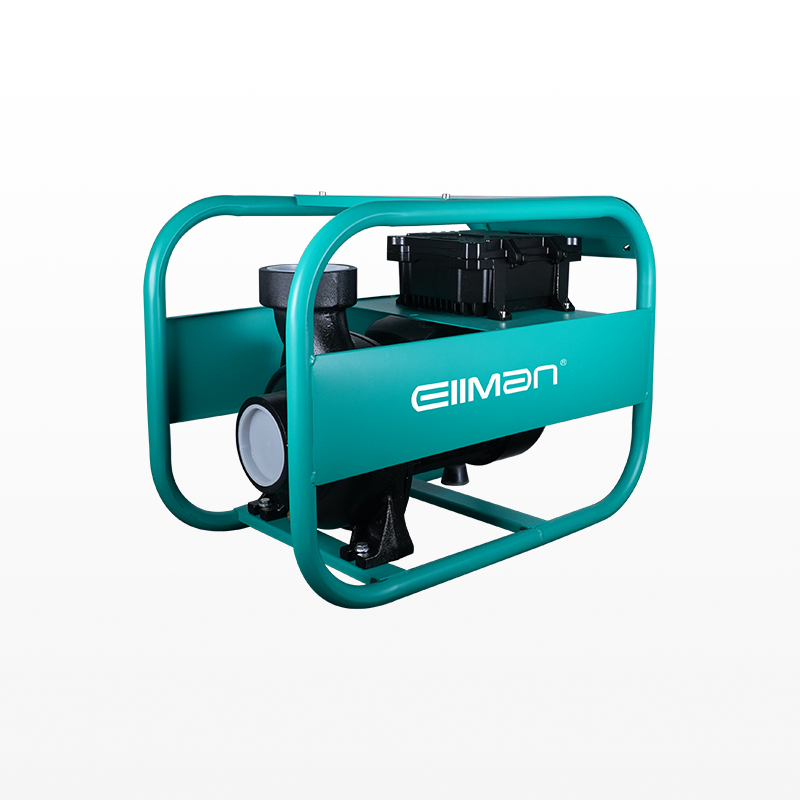
When evaluating the effectiveness of solar pumps, several factors come into play. These include the type of pump, its energy efficiency, the amount of sunlight available, the location of use, and the specific application. Let’s delve deeper into these factors to understand how effective solar pumps truly are.
One of the main reasons for the effectiveness of solar pumps is their high energy efficiency. Solar-powered pumps harness the sun’s energy, which is both abundant and renewable. In contrast to conventional pumps that rely on electricity or fuel, solar pumps can operate at a lower cost over time. Since they do not require ongoing fuel consumption or a constant connection to the power grid, they significantly reduce long-term operational costs.
Solar pumps generally have an efficiency rate of 30% to 50% more than traditional DC-powered or fuel-based pumps, making them an excellent investment for areas with limited or unreliable access to electricity. By using solar panels to generate electricity, these pumps reduce reliance on external power sources, minimizing both energy costs and the environmental impact.
The effectiveness of solar pumps is not just about energy efficiency. These pumps are incredibly sustainable and environmentally friendly. They help reduce the carbon footprint associated with traditional water pumping methods. Since solar pumps operate on renewable energy, they do not contribute to air pollution, greenhouse gas emissions, or depletion of natural resources.
This is particularly significant in areas where the environmental impact of conventional energy sources is a concern. By choosing solar-powered water pumps, individuals and businesses can lower their environmental impact while ensuring reliable water supply.
One of the standout features of solar pumps is their ability to operate off-grid. In remote areas or locations without access to reliable electricity, solar pumps provide a viable alternative. Whether for agricultural irrigation in rural fields or water supply in villages, solar pumps are invaluable in places that lack infrastructure for conventional electricity.
Many solar pumps are designed to work in off-grid settings, where they are paired with solar panels and sometimes battery storage systems. This allows for 24/7 water pumping, even when the sun is not shining. The ability to store excess energy for use at night or during cloudy days further enhances the effectiveness of solar pumps.
The effectiveness of solar pumps can also be attributed to their versatility. These pumps come in various designs to suit different applications. For example, solar water pumps are commonly used for irrigation, livestock watering, and domestic water supply. Solar fountain pumps are used to power decorative water features, such as fountains and garden ponds. Similarly, solar pond pumps are used to circulate water in ponds, maintaining a healthy environment for aquatic life.
Furthermore, solar pumps are adaptable to different environments, from small domestic setups to large-scale agricultural systems. Their ability to operate efficiently in diverse conditions—such as high or low temperatures, varying water depths, and limited sunlight—makes them an attractive solution for many water pumping needs.
Compared to traditional pumps, solar pumps are known for their low maintenance requirements. There are fewer moving parts in solar pumps, and they do not rely on complex machinery like internal combustion engines. This means that there are fewer components that can break down or wear out, resulting in lower maintenance costs and longer lifespans.
With proper care, solar pumps can last 10 to 20 years, depending on the quality of the system and the environmental conditions in which they are used. Regular maintenance, such as cleaning the solar panels and checking for any blockages in the pump, is typically sufficient to keep the system running smoothly.
While the initial cost of purchasing and installing a solar pump system may be higher than conventional pump systems, the long-term savings are significant. Solar pumps do not incur ongoing fuel costs or electricity bills, making them highly cost-effective in the long run. Additionally, many governments and organizations offer incentives and subsidies to encourage the use of renewable energy, which can help offset the initial investment.
Over time, the cost savings from reduced energy consumption and lower maintenance costs often outweigh the initial setup expenses. This makes solar pumps a highly effective choice for both residential and commercial water pumping needs.
While solar pumps offer numerous advantages, their effectiveness can be influenced by several factors. Understanding these factors is essential for maximizing the performance of solar pumps.
The effectiveness of a solar pump is closely linked to the amount of sunlight it receives. Solar panels rely on sunlight to generate electricity, so locations with higher solar irradiance (sunlight intensity) are ideal for solar pumping systems. Areas closer to the equator or with fewer cloudy days typically have more effective solar pump performance.
However, even in regions with moderate sunlight, solar pumps can still be effective, especially when paired with battery storage systems that store excess energy for use during cloudy days or at night. Solar panel efficiency has also improved over the years, with newer models capable of generating more electricity from less sunlight.
The type of solar pump and its specific application also affect its effectiveness. For example, solar submersible pumps are designed to lift water from deep wells, while surface solar pumps are used for shallow wells or ponds. The efficiency of each pump depends on the depth of the water source and the desired flow rate.
In agricultural settings, solar water pumps are typically used for irrigation, and their effectiveness is influenced by the size of the irrigation system, the crop type, and the climate. Similarly, solar fountain pumps are effective for smaller decorative features but may not be suitable for larger-scale applications.
The size and capacity of the solar pump system are crucial for ensuring optimal performance. A solar pump system that is too small for the required flow rate will struggle to meet the demand, while an oversized system may lead to unnecessary costs. It is essential to choose a system that matches the specific water pumping requirements of the application.
Proper sizing of the solar pump system ensures that it operates efficiently, maximizing the effectiveness of the solar energy used. In some cases, it may be necessary to combine multiple pumps or integrate additional energy storage to meet higher demands.
Regular maintenance is essential for ensuring the long-term effectiveness of a solar pump system. Cleaning the solar panels regularly to remove dirt and debris is crucial for maintaining their efficiency. Additionally, checking the pump’s motor and controller for any signs of wear and tear can help prevent potential issues before they affect performance.
In off-grid applications, the inclusion of a battery storage system can significantly enhance the effectiveness of solar pumps. Batteries allow for energy storage during the day, which can then be used to power the pump during periods of low sunlight or at night. The size and quality of the battery system will determine how much energy can be stored and how long the system can operate without direct sunlight.
A solar pump typically lasts 10 to 20 years with proper maintenance. The lifespan can vary depending on factors such as the quality of the system, environmental conditions, and how well the system is maintained.
Yes, solar pumps can work in cloudy weather, although their performance may be reduced compared to sunny days. Many solar pumps are equipped with battery storage, allowing them to continue operating even when sunlight is limited.
Yes, solar pumps are cost-effective in the long term. Although the initial investment may be higher than conventional pumps, the absence of ongoing fuel or electricity costs makes them a more affordable solution over time.
Yes, solar submersible pumps are specifically designed for deep wells. These pumps are capable of lifting water from depths of up to several hundred feet, making them ideal for areas where traditional pumps are not practical.
Solar pumps require minimal maintenance compared to traditional pumps. Regular cleaning of the solar panels and occasional checks on the pump and motor are usually sufficient to keep the system running smoothly.
Solar pumps are highly effective, energy-efficient, and environmentally friendly solutions for water pumping needs. With their ability to operate off-grid, low maintenance requirements, and cost-effectiveness, solar pumps are revolutionizing water supply systems in remote areas, agriculture, and industrial applications. As solar technology continues to advance, solar pumps will only become more efficient, offering even greater benefits to users around the world. Whether for domestic water supply, irrigation, or environmental conservation, solar pumps are a reliable and sustainable option for meeting water pumping needs.