Views: 0 Author: Site Editor Publish Time: 2026-01-22 Origin: Site


Solar pumps are an innovative solution for sustainable water pumping, harnessing the sun's energy to provide an environmentally friendly alternative to traditional electric or fuel-powered pumps. These pumps have gained significant attention in various industries, from agriculture to residential applications, offering an energy-efficient and eco-friendly way to meet water supply needs.
In this article, we will explore how solar pumps work, their components, benefits, and applications. We will also address common questions about solar pumps and discuss the latest advancements in solar pumping technology.
A solar pump is a water pump powered by solar energy, typically using solar panels to convert sunlight into electricity. This electricity drives the pump's motor, allowing it to lift water from wells, rivers, or other sources to a designated location. Solar pumps are widely used in remote areas, agricultural fields, residential setups, and various other applications where a constant water supply is needed but access to grid electricity is limited or unavailable.
These pumps are available in different designs, such as solar water pumps, solar fountain pumps, and solar pond pumps, each tailored to specific needs. Solar-powered pumps are available in two main types: DC (direct current) pumps and AC (alternating current) pumps, with DC pumps being the most common for off-grid applications.
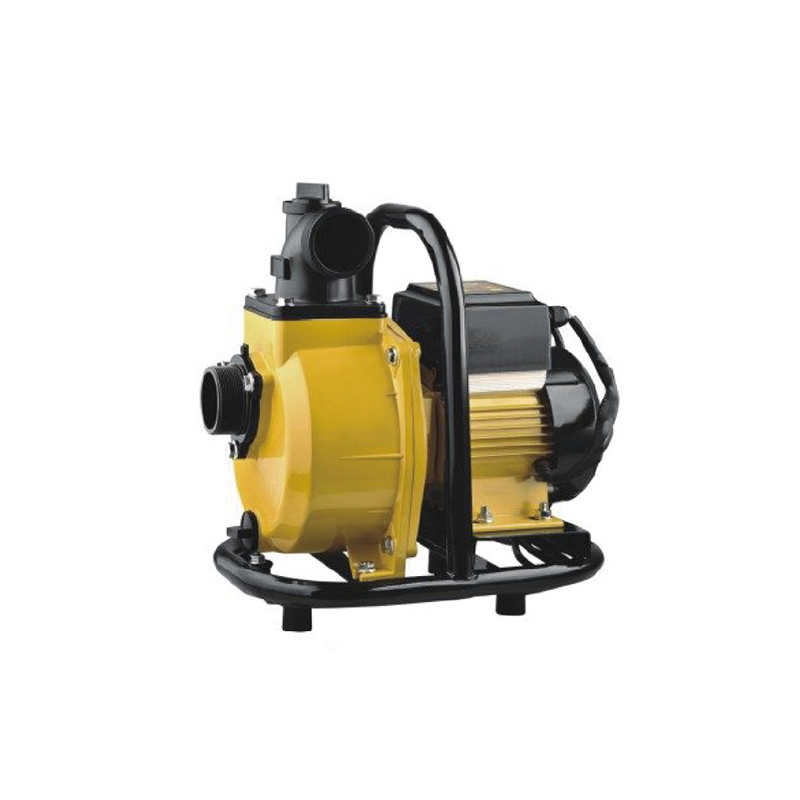
The basic function of a solar pump is simple: it uses solar panels to generate electricity, which is then used to power the pump. Let’s break down the key components and the process involved in how these pumps work:
At the heart of every solar pump is the solar panel. Solar panels are made up of photovoltaic cells that capture sunlight and convert it into electrical energy. When sunlight hits the solar panels, it creates an electric current, known as direct current (DC), which is used to power the pump's motor.
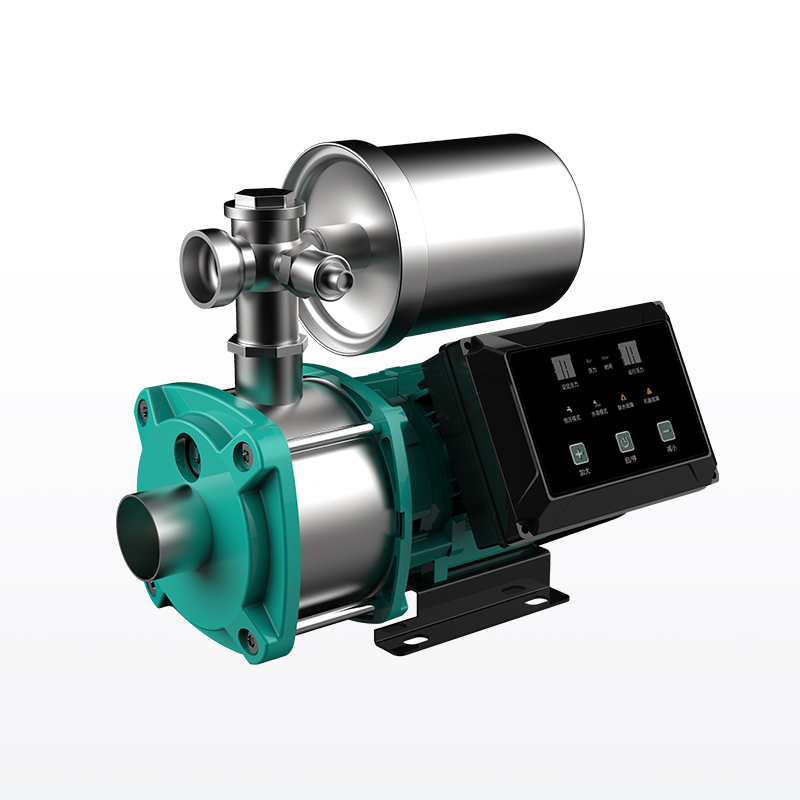
The pump motor is powered by the DC electricity generated by the solar panels. This motor drives the pump mechanism, which could be a centrifugal or diaphragm pump, depending on the type of solar pump. The motor's efficiency is crucial for the overall performance of the pump, as it determines how effectively water can be lifted or moved.
A solar pump controller is used to regulate the flow of electricity from the solar panels to the pump motor. It ensures the pump operates efficiently by adjusting the power supply based on the available sunlight. The controller also includes safety features, such as overcurrent protection and dry-running protection, to prevent damage to the pump.
The water pump mechanism consists of the pump itself, which could be a submersible pump, surface pump, or jet pump. These pumps are designed to move water from a source, such as a well, pond, or river, to a designated location. The type of pump chosen depends on the application and the water source's characteristics.
In many applications, the pumped water is stored in tanks or reservoirs for later use. The storage system allows for water to be available even when the sun isn’t shining, such as at night or during cloudy periods. Alternatively, in irrigation applications, the pumped water may be delivered directly to crops or fields.
There are several types of solar pumps, each designed to meet different needs. Below are some of the most common types:
Solar water pumps are used to pump water for drinking, irrigation, or industrial processes. They are commonly used in rural areas where electricity is not available or is unreliable. These pumps are often connected to solar panels, providing a clean and renewable source of energy. Solar-powered water pumps are highly effective for off-grid applications where the cost of traditional energy sources is prohibitive.
Solar fountain pumps are used in decorative fountains, gardens, and ponds. These pumps use solar energy to power a small water pump that circulates water, creating a visually appealing display. They are commonly used in parks, gardens, and public spaces, adding beauty while promoting sustainability.
Solar pond pumps are specifically designed for ponds and small lakes, ensuring that water circulates and maintains healthy aquatic environments. These pumps help prevent water stagnation, which can lead to poor water quality and the growth of algae. Solar-powered pond pumps are ideal for eco-friendly water management in outdoor spaces.
There are several advantages to using solar pumps over traditional energy-based water pumping systems. Some of the key benefits include:
Solar pumps significantly reduce the need for electricity, which translates into lower operational costs. While there is an initial investment in solar panels and the pump system, the long-term savings in energy costs can be substantial. Furthermore, solar-powered pumps often have lower maintenance costs due to the lack of moving parts in the solar panel and motor system.
Solar pumps are a renewable energy solution that helps reduce reliance on fossil fuels. By harnessing solar energy, solar pumps contribute to reducing carbon emissions, making them an eco-friendly alternative to traditional energy sources. This is especially important in areas where access to clean energy is limited.
Solar pumps are ideal for off-grid applications, as they do not require an external power source. This makes them perfect for remote areas, agricultural fields, and homes that are not connected to the electricity grid. Whether for irrigation, livestock watering, or residential water supply, solar pumps provide a reliable and sustainable water solution.
Solar pumps require minimal maintenance compared to traditional pumps. With fewer moving parts and no need for fuel or electricity from the grid, these pumps have a longer lifespan and require fewer repairs. Routine maintenance, such as cleaning the solar panels, is usually sufficient to keep the system running efficiently.
Solar pumps are part of the growing movement toward sustainable living and renewable energy solutions. By using the sun’s energy, these pumps provide a clean and reliable source of power that doesn’t deplete natural resources or contribute to environmental degradation.
Solar pumps have a wide range of applications across various industries. Some common applications include:
In agriculture, solar water pumps are used for irrigation, helping farmers access water for crops even in areas where water supply is limited. These pumps are especially beneficial in remote areas where electricity is not readily available. Solar-powered pumps are often used in drip irrigation systems, providing a consistent water supply without wasting resources.
Solar pumps are used to provide clean water to rural communities that lack access to the electricity grid. These pumps are an excellent solution for remote areas where traditional infrastructure is not feasible. By using solar energy, these pumps help ensure a continuous supply of water for drinking, cooking, and sanitation.
In residential settings, solar pumps can be used for domestic water supply, especially in off-grid homes. Solar-powered pumps can lift water from wells, reservoirs, or other sources, providing water for daily household needs without relying on traditional power sources.
Solar pumps are also used in environmental management, such as pond and wetland restoration. These pumps help maintain the water flow in aquatic ecosystems, preventing stagnation and promoting a healthy environment for wildlife. Solar-powered pumps are ideal for such applications as they provide a reliable and sustainable energy source.
In industrial settings, solar pumps are used for a variety of purposes, including cooling, water circulation, and wastewater treatment. These pumps can help reduce energy costs and improve the sustainability of industrial operations.
The lifespan of a solar pump can vary depending on the quality of the pump and maintenance practices. Typically, solar pumps can last anywhere from 10 to 20 years with proper care and maintenance.
The cost of a solar pump depends on several factors, including the type of pump, the size of the system, and the installation requirements. On average, a solar pump system can range from $500 to $5,000 or more, depending on the application.
Yes, solar pumps can work in cloudy weather, although their efficiency may be reduced compared to sunny days. Many solar pumps are equipped with batteries that store excess energy for use when sunlight is limited, ensuring continuous operation even during cloudy conditions.
To maintain a solar pump, it is important to regularly clean the solar panels to remove dirt and debris that can block sunlight. Additionally, check the pump's motor and controller for signs of wear or damage. It is also important to inspect the storage tanks and pipes to ensure they are free of blockages.
Yes, solar pumps are suitable for deep wells. There are specialized solar submersible pumps designed to lift water from deep wells. These pumps are equipped with powerful motors and can be used in wells that are several hundred feet deep.
Solar pumps represent a significant advancement in water pumping technology, offering an eco-friendly, energy-efficient alternative to traditional pumps. By harnessing the power of the sun, these pumps provide a reliable and sustainable solution for various applications, including agriculture, residential water supply, and industrial use. As solar technology continues to improve, the future of solar pumps looks promising, offering even greater efficiency and affordability for users around the world.