Views: 0 Author: Site Editor Publish Time: 2026-02-02 Origin: Site


In today’s rapidly evolving world, solar pumps and electric pumps are two of the most common types of water pumping systems used in various applications. Both offer significant benefits, but they also have distinct differences that influence their performance, efficiency, and suitability for specific uses. This article will explore these differences in detail, focusing on how solar pumps and electric pumps work, their advantages and disadvantages, and the scenarios where each type excels.
We will also delve into factors like cost-effectiveness, energy efficiency, and environmental impact. By the end of this article, you will have a clear understanding of the key differences between solar pumps and electric pumps, and be able to determine which is the best choice for your specific needs.
A solar pump is a water pump that is powered by solar energy. It uses solar panels to capture sunlight and convert it into electricity, which is then used to operate the pump. This makes solar pumps an eco-friendly and cost-effective solution, especially in areas where access to the power grid is limited or unreliable.
The operation of a solar pump is relatively simple. It consists of three main components:
Solar panels: These panels convert sunlight into direct current (DC) electricity.
Pump motor: The motor is powered by the DC electricity from the solar panels.
Controller: The controller manages the flow of electricity from the solar panels to the motor, ensuring that the pump operates efficiently.
In solar-powered pumps, the amount of electricity generated depends on the intensity of sunlight, making their effectiveness largely dependent on the location and weather conditions.
An electric pump is a water pump powered by electricity from the grid or an external power source. It uses a motor connected to an electrical system to generate the necessary power to move water. Unlike solar pumps, which rely on solar energy, electric pumps depend on a stable electrical supply to function.
The operation of an electric pump is also straightforward. It involves:
Electric motor: The motor is powered by electricity, typically from the grid.
Pump mechanism: The motor drives the pump mechanism (such as centrifugal or diaphragm pumps) to move water from one location to another.
Electric pumps are highly versatile and are used in various applications, from domestic water supply to industrial and agricultural needs.
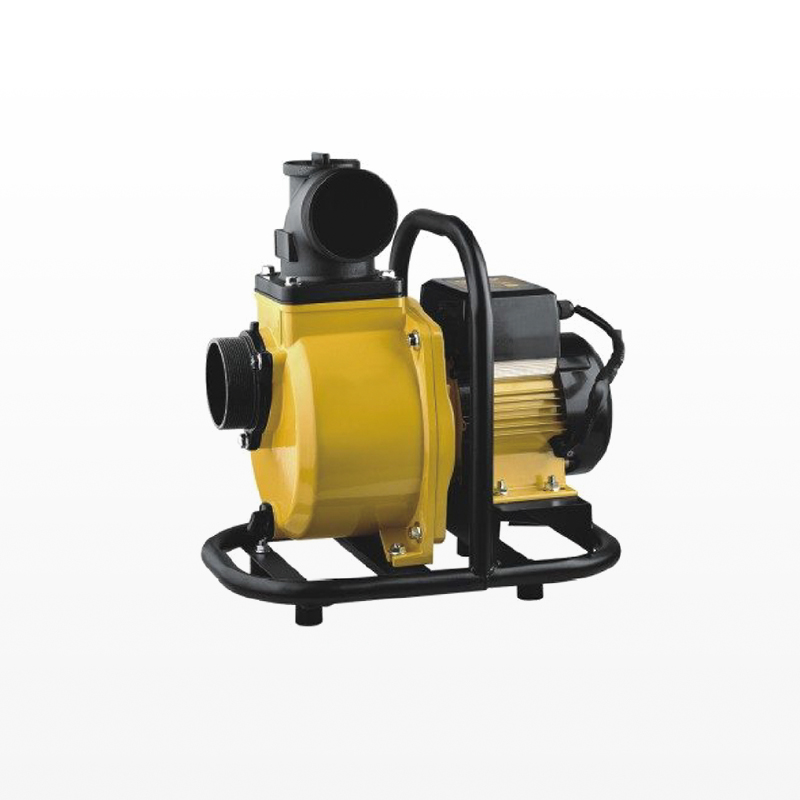
While both solar pumps and electric pumps serve the same basic function—moving water from one place to another—there are several critical differences between them. These differences can significantly affect their suitability for different applications.
The most obvious difference between solar pumps and electric pumps is their energy source.
Solar pumps rely on solar energy captured by solar panels, which makes them ideal for off-grid locations or areas where the electricity grid is not accessible.
Electric pumps, on the other hand, are powered by electricity from the grid or an external generator, meaning they require a stable and continuous electrical supply.
Renewable energy source (solar energy).
Ideal for off-grid locations.
Environmentally friendly, as they do not produce emissions or rely on fossil fuels.
Non-renewable energy source (electricity from the grid).
Requires access to a reliable power supply.
Can be less environmentally friendly depending on the source of electricity.
The cost-effectiveness of both solar pumps and electric pumps depends on the application, location, and usage patterns.
Solar pumps have a higher initial cost due to the need for solar panels and batteries. However, they have low operating costs because they do not require ongoing electricity bills or fuel.
Electric pumps typically have a lower initial cost but incur ongoing electricity costs, which can be expensive over time, especially in areas where electricity rates are high.
Higher initial installation cost (solar panels, batteries).
Low or no operational costs once installed.
Great long-term savings in energy costs.
Lower initial installation cost.
Ongoing operational costs due to electricity consumption.
Can be more expensive in the long run due to electricity usage.
Maintenance requirements vary between solar pumps and electric pumps, primarily due to the different components involved.
Solar pumps generally require less maintenance because there are fewer moving parts and they do not require fuel. The most common maintenance task is cleaning the solar panels to ensure they operate efficiently.
Electric pumps may require more maintenance because they have more moving parts and depend on the motor, which may wear out over time. They also require regular checks to ensure the electrical components are functioning properly.
Low maintenance.
Requires periodic cleaning of solar panels.
Fewer components to wear out.
Higher maintenance requirements due to the electric motor and mechanical components.
May require regular checks for electrical wiring and motor performance.
More likely to need repairs over time.
The environmental impact of solar pumps is much lower than that of electric pumps, especially when considering the long-term effects.
Solar pumps use clean, renewable energy, making them an environmentally friendly option. They do not produce emissions or contribute to climate change.
Electric pumps, especially those powered by fossil fuels, have a higher environmental impact due to the electricity generation process, which often involves burning coal, natural gas, or oil.
No emissions or pollution.
Uses renewable energy, reducing carbon footprint.
Potential emissions, depending on the electricity source.
May contribute to climate change if powered by non-renewable energy.
The performance of solar pumps is highly dependent on the amount of sunlight they receive, while electric pumps are more versatile in terms of performance.
Solar pumps perform best in sunny locations with consistent sunlight. They may not be as effective in regions with frequent cloud cover or during the night unless paired with a battery storage system.
Electric pumps can operate continuously as long as there is a stable power supply, making them more reliable in areas with unpredictable weather or where a constant water supply is necessary.
Best in sunny regions with reliable sunlight.
Performance may vary based on weather and time of day.
Requires battery storage for continuous operation.
Can operate continuously with a stable power supply.
Ideal for areas with unreliable sunlight or constant water demand.
The complexity of the systems also differs significantly between solar pumps and electric pumps.
Solar pump systems are more complex because they require solar panels, batteries (if off-grid), and an inverter to convert DC to AC power for some types of pumps.
Electric pumps are simpler in terms of their setup, as they only require a connection to the electrical grid or an external generator.
More complex setup.
Requires solar panels, battery storage, and possibly an inverter.
Suitable for off-grid applications.
Simple and straightforward setup.
Requires only electrical wiring to a power source.
Can be used in both residential and commercial applications.
The lifespan of both types of pumps can vary depending on the quality of the equipment and maintenance practices.
Solar pumps have a long lifespan, often lasting 15 to 20 years with minimal maintenance. The solar panels themselves typically last 25 to 30 years, while the pump motor may need replacement after a decade or so.
Electric pumps have a shorter lifespan, typically 5 to 15 years, depending on how well they are maintained and the frequency of use.
Long lifespan (15 to 20 years).
Solar panels last 25 to 30 years.
Minimal wear on mechanical components.
Shorter lifespan (5 to 15 years).
Requires more frequent repairs and maintenance.
The main difference is the power source: solar pumps rely on solar energy, while electric pumps depend on electricity from the grid or a generator.
Yes, solar pumps can be worth the investment, especially in areas where electricity is expensive or unreliable. The long-term savings on electricity bills can offset the higher initial cost.
Yes, electric pumps can be used in off-grid locations, but they require a reliable external power source, such as a generator or battery storage, which can increase operational costs.
Yes, solar pumps can still operate in cloudy weather, but their efficiency is reduced compared to sunny conditions. A battery storage system can help maintain operation during periods without sunlight.
With proper maintenance, solar pumps can last 15 to 20 years, and the solar panels typically last 25 to 30 years.
For areas with plenty of sunlight, solar pumps are an excellent choice for irrigation, as they provide a sustainable, low-cost solution. In areas with inconsistent sunlight, electric pumps may be a more reliable option.
Both solar pumps and electric pumps have their unique advantages and applications. Solar pumps are ideal for off-grid, environmentally conscious users who want a long-term, sustainable solution, particularly in sunny regions. In contrast, electric pumps are better suited for areas with reliable grid power or when continuous performance is essential. By understanding the differences between these two types of pumps, you can make an informed decision that best suits your needs and goals.