Views: 0 Author: Site Editor Publish Time: 2026-02-06 Origin: Site


Solar pumps are increasingly becoming a popular choice for various water pumping applications due to their cost-effectiveness, energy efficiency, and environmental benefits. These pumps harness solar energy to operate, making them an attractive option for off-grid areas, agricultural irrigation, and water supply systems in remote locations. However, one of the most frequently asked questions about solar pumps is whether they can operate without a battery. This article will explore this question in detail and provide a thorough understanding of how solar pumps work, the role of batteries, and when it is feasible for solar pumps to function without one.
Before delving into whether a solar pump can work without a battery, it's essential to understand how solar pumps work. A solar pump is a water pump that uses solar panels to capture sunlight and convert it into electrical energy. This energy powers the pump’s motor, allowing it to move water from one location to another.
Solar panels: These convert sunlight into electricity.
Pump motor: The motor is powered by the electricity generated by the solar panels.
Controller: This component regulates the flow of electricity from the solar panels to the motor, ensuring the pump operates efficiently.
Battery (optional): Some solar pump systems include a battery to store excess energy for use when there is no sunlight, such as during the night or on cloudy days.
Now that we have a basic understanding of how solar pumps operate, let's examine whether a solar pump can function without a battery.
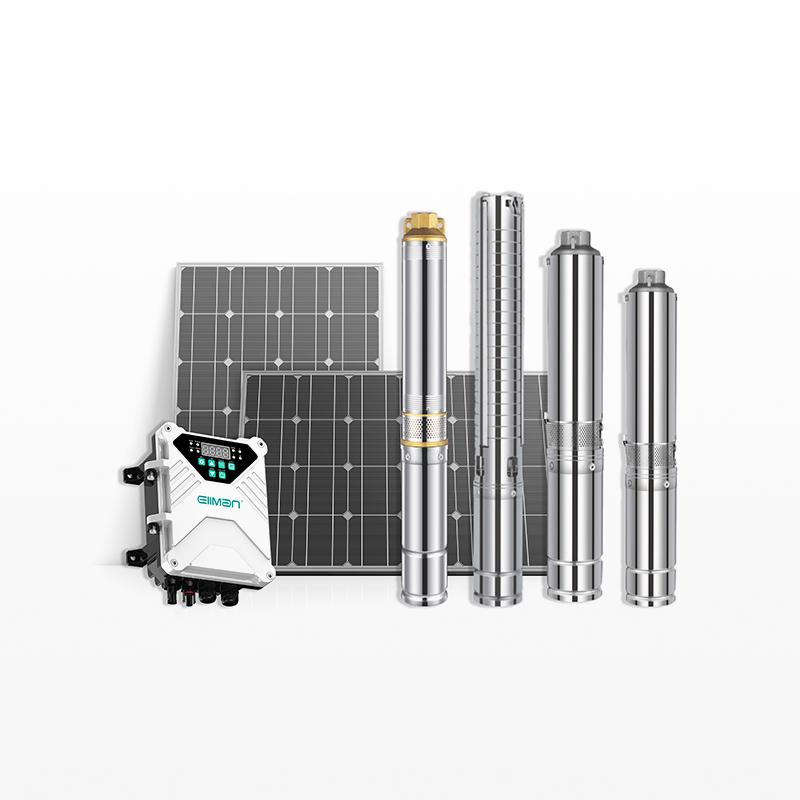
In many solar pump systems, a battery is included to store excess energy generated during sunny periods. The stored energy allows the solar pump to continue operating during times when the sun isn’t shining, such as at night or on cloudy days. The battery ensures that the system remains functional even when the solar input is intermittent.
Continuous Operation: A battery allows the solar pump to operate around the clock, even when sunlight is not available.
Stabilized Power Supply: Batteries help stabilize the power supply, ensuring that the solar pump operates consistently, even during fluctuating sunlight conditions.
Off-Grid Capability: Solar pumps with batteries are ideal for off-grid locations, as they ensure a continuous water supply without reliance on the electricity grid.
While batteries enhance the reliability and flexibility of solar pumps, it is possible for solar pumps to work without them in certain conditions. However, this depends on the specific application and the location of use.
Yes, solar pumps can work without a battery, but their functionality is limited by certain factors. Solar pumps that operate without a battery rely directly on the energy generated by the solar panels. The ability of a solar pump to function without a battery depends on the following factors:
The most important factor for a solar pump to operate without a battery is the availability of consistent, direct sunlight. Solar pumps without batteries can only operate when the solar panels are receiving enough sunlight to generate the required amount of power to run the pump motor. If the solar panels receive less sunlight, such as during cloudy days, early mornings, or late afternoons, the pump may not operate efficiently or may not operate at all.
Time of Day: A solar pump without a battery can only run during daylight hours when there is sufficient sunlight.
Weather Conditions: Cloudy or rainy days may reduce the effectiveness of a solar pump that operates without a battery, as the solar panels generate less energy.
The energy demand of the solar pump also plays a significant role in whether it can operate without a battery. Solar pumps with high energy demands, such as those used for large agricultural irrigation systems or deep well pumping, may require more energy than the solar panels can generate in a single day. In these cases, a battery is often necessary to store excess energy for use when the solar panels are not producing enough electricity.
For solar pumps with lower energy requirements, such as those used in small-scale applications like garden fountains or shallow well pumps, it is more feasible for them to operate without a battery. These systems can run directly off the solar panels during the day and may not need battery storage to function effectively.
The size and capacity of the solar pump system are crucial factors that influence whether a solar pump can work without a battery. Larger systems that require a substantial amount of power to operate will likely require battery storage to ensure they can continue working when sunlight is insufficient. Smaller solar pumps, on the other hand, may be able to operate directly off the solar panels without the need for a battery.
The intended use of the solar pump also determines whether a battery is necessary. For example:
Residential Water Supply: If the solar pump is used for domestic water supply, it may require battery storage to provide water during cloudy days or at night.
Agricultural Irrigation: Solar pumps for irrigation often need battery storage to ensure that water is available even when the solar panels are not generating enough electricity.
Small Decorative Fountains: Small solar fountain pumps used in gardens or ponds can often function without a battery, as they typically operate during the day and have lower energy demands.
Different types of solar pumps are better suited to operate without a battery. For example:
Surface Solar Pumps: These pumps, which are used to pump water from shallow sources like ponds or rivers, can often work without batteries if the pump is small and the water source is close to the pump.
Submersible Solar Pumps: These pumps, which are designed to lift water from deep wells, generally require batteries to ensure they have a continuous power supply, as the amount of sunlight available may not be sufficient to power the pump during periods of low sunlight.
There are several advantages and disadvantages to using a solar pump without a battery.
Lower Initial Cost: Without the need for a battery and associated components, the upfront cost of a solar pump system is reduced.
Simplicity: Systems without batteries are simpler to install and maintain, as they do not require complex battery storage or inverters.
No Battery Maintenance: Without a battery, you eliminate the need for regular battery maintenance, which can be time-consuming and costly.
Limited Operation Time: Without a battery, the solar pump can only operate during daylight hours when there is sufficient sunlight.
Reliability Issues in Cloudy Weather: The performance of a solar pump without a battery can be unreliable during cloudy or rainy periods, when the solar panels generate less energy.
Inability to Operate at Night: Solar pumps without batteries cannot operate at night or during extended periods of darkness, limiting their usability for certain applications.
While a battery is beneficial for ensuring the continuous operation of a solar pump, it is not always necessary. The necessity of a battery depends on several factors, including the energy needs of the pump, the availability of sunlight, and the specific application.
For smaller, low-energy solar pumps used in environments with consistent sunlight, such as garden fountains or small-scale irrigation, it is possible for the pump to function effectively without a battery. In such cases, the solar pump will rely solely on the solar panels during the day, and may not require a battery for night-time operation.
For larger, high-demand applications, such as deep well pumps or large agricultural irrigation systems, a battery is typically necessary to ensure reliable performance. These systems need the energy storage provided by batteries to continue operating when sunlight is insufficient, such as at night or during cloudy days.
No, a solar pump may not work efficiently without a battery in situations where the sunlight is inconsistent or the pump has high energy demands. It works best without a battery in areas with reliable sunlight and for smaller applications with low energy requirements.
A solar pump can work during the day as long as the solar panels are receiving enough sunlight to generate the required energy. It will not work during the night or in cloudy weather unless paired with a battery for energy storage.
If a solar pump without a battery runs out of energy due to insufficient sunlight, it will stop functioning. To prevent this, the solar pump system needs to be sized appropriately for the location's sunlight availability.
It is challenging to use a solar pump in areas with unreliable sunlight without a battery, as the pump will only work when the solar panels are producing energy. A battery would be needed to store excess energy for use during cloudy days or at night.
The primary downside is the limited operational time. A solar pump without a battery can only work during the day when there is sufficient sunlight, making it unsuitable for applications that require continuous water supply.
In conclusion, while solar pumps can operate without a battery, their functionality is highly dependent on the availability of sunlight, the energy demands of the pump, and the specific application. Solar pumps without a battery are most effective in small-scale applications with consistent sunlight. For larger, more demanding systems, a battery is often necessary to ensure reliable operation, particularly during periods of low sunlight or at night.